
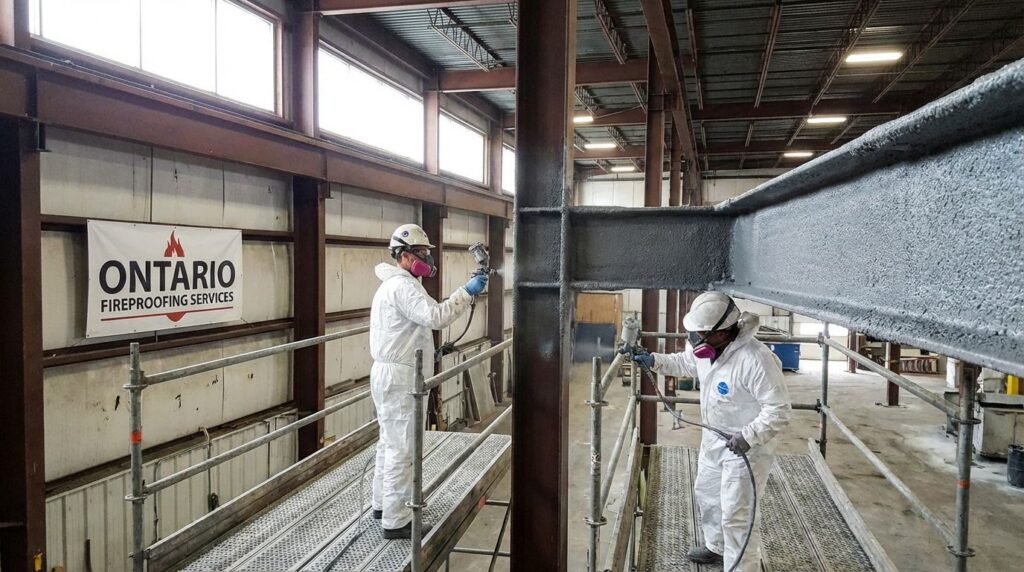
As a building owner or property manager in Ontario, staying on top of the latest fire code regulations is not just a legal requirement – it’s a crucial responsibility for ensuring the safety of your tenants and the longevity of your investment. The 2026 Ontario Fire Code updates for commercial buildings are on the horizon, and understanding these changes now can save you time, money, and potential headaches down the road. I’m Shaun Falls, Owner & Founder of Spray Foam Kings, and I’ve spent years helping businesses across Ontario navigate insulation and fireproofing requirements. Let’s dive into what you need to know.
The Short Answer
The upcoming 2026 Ontario Fire Code updates for commercial buildings will likely emphasize enhanced fire resistance ratings for building materials, particularly insulation, and improved fire detection and suppression systems. Expect increased costs associated with compliant materials, potentially adding $5,000 – $20,000+ to a typical commercial project depending on the building size and scope. Staying informed and proactive will be essential to avoid costly retrofits and ensure compliance across Ontario.
Understanding the Key Changes
Enhanced Fire Resistance Ratings for Building Materials
One of the most significant areas of focus in the 2026 Fire Code updates will be the fire resistance ratings required for various building materials, especially insulation. This means that materials used in walls, ceilings, and floors will need to withstand higher temperatures for longer periods of time. The goal is to provide occupants with more time to evacuate safely and to give firefighters a better chance to contain a blaze.
Specifically, expect to see stricter requirements for materials used in concealed spaces, such as attics and wall cavities. This is because these areas can act as pathways for fire to spread rapidly throughout a building. Materials like spray foam insulation, which offers excellent thermal performance and can also contribute to fire resistance when properly installed and certified, will be under scrutiny. Make sure any spray foam application is installed by certified professionals and has the appropriate fire retardant additives. Consider exploring our commercial spray foam insulation services to meet these updated standards.
The Ontario Building Code (OBC) already sets minimum fire resistance ratings based on building occupancy and construction type. The 2026 Fire Code is likely to reference and potentially strengthen these requirements. For example, buildings classified as “high hazard” occupancies will likely face even more stringent fire resistance requirements than buildings with lower risk profiles.
Upgrades to Fire Detection and Suppression Systems
Beyond building materials, the 2026 Fire Code will likely include updates to the requirements for fire detection and suppression systems. This could include the installation of more advanced smoke detectors, sprinkler systems, and fire alarm systems. Expect to see a greater emphasis on interconnected systems that can quickly alert occupants and emergency services in the event of a fire.
For example, the updated code might mandate the use of addressable fire alarm systems in larger commercial buildings. These systems allow firefighters to pinpoint the exact location of a fire, which can save valuable time during an emergency. Similarly, the code may require the installation of water-based sprinkler systems in areas that were previously exempt, such as storage rooms or mechanical spaces. Consider how a comprehensive fireproofing solution can work in tandem with these systems.
Another area of focus could be the regular inspection and maintenance of fire protection equipment. The code might require more frequent inspections and stricter record-keeping to ensure that all systems are functioning properly. This means building owners will need to budget for ongoing maintenance costs and ensure that they have qualified personnel or contractors to perform these inspections.
Impact on Commercial Building Owners in Ontario
Increased Costs and Retrofit Considerations
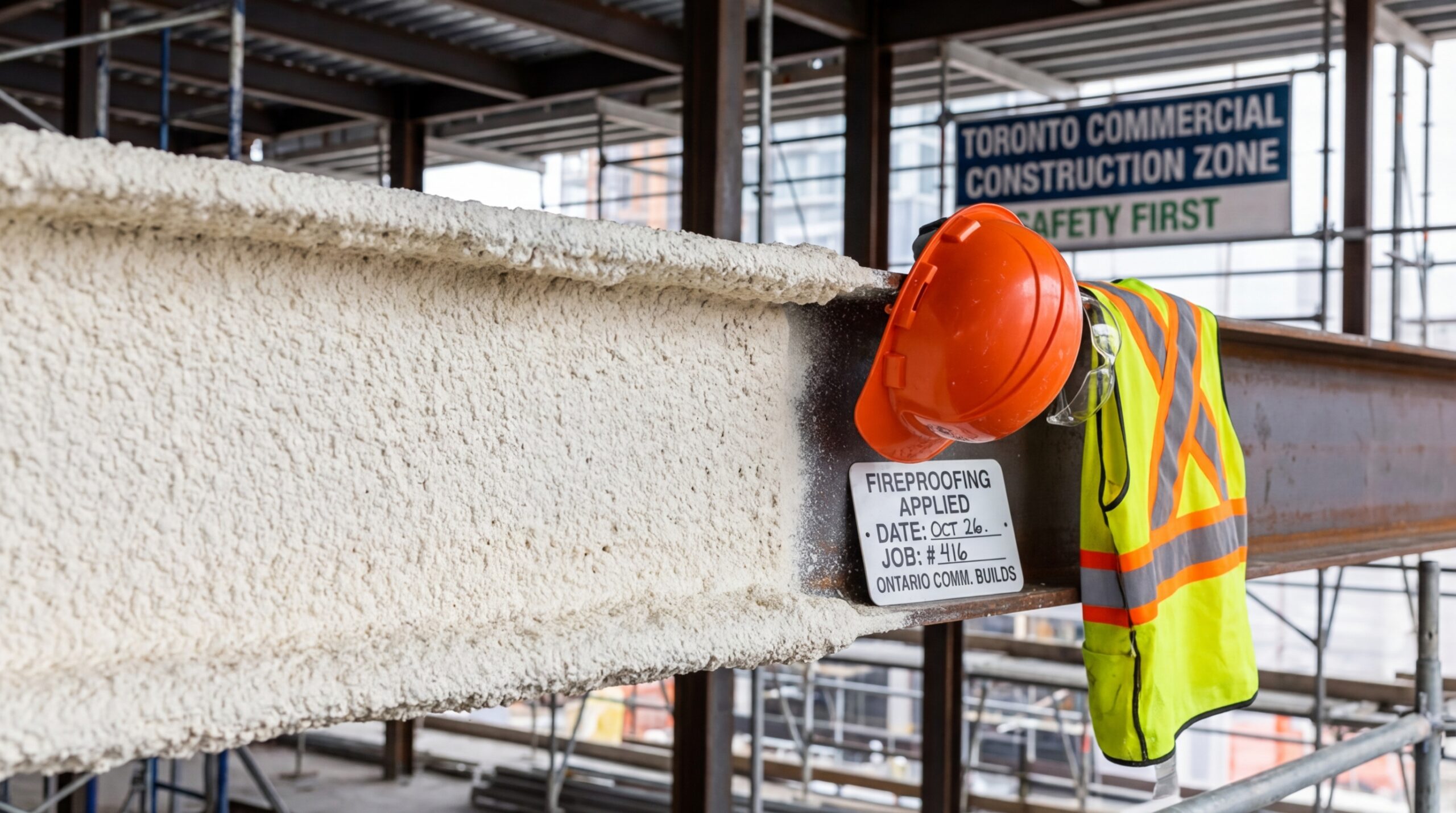
Complying with the 2026 Ontario Fire Code updates will inevitably lead to increased costs for commercial building owners. The cost of fire-resistant building materials, advanced fire detection systems, and regular inspections can all add up. Building owners need to factor these costs into their budgets and plan accordingly.
In some cases, existing buildings may need to be retrofitted to meet the new requirements. This could involve replacing outdated insulation with more fire-resistant materials, upgrading fire alarm systems, or installing sprinkler systems where they are currently lacking. Retrofits can be particularly expensive and disruptive, so it’s important to assess your building’s current fire safety measures and identify any potential gaps early on. For instance, replacing fiberglass insulation with a fire-retardant spray foam could cost anywhere from $3-$7 per square foot, depending on the thickness and R-value required. A typical 2,000 sq ft commercial space could see insulation costs alone range from $6,000-$14,000. Don’t forget to investigate potential Ontario insulation rebates that might help offset these costs; they can significantly reduce your out-of-pocket expenses.
Furthermore, the increased demand for fire-resistant materials and qualified contractors could lead to price increases and longer lead times. It’s advisable to start planning your upgrades well in advance to avoid delays and ensure that you can secure the necessary resources at a reasonable cost. We at Spray Foam Kings are working hard to prepare for increased demand and supply chain considerations.
Ensuring Compliance and Avoiding Penalties
Failure to comply with the Ontario Fire Code can result in significant penalties, including fines, legal action, and even building closures. It’s crucial for commercial building owners to take the necessary steps to ensure that their properties meet the latest requirements. This includes conducting regular fire safety inspections, maintaining accurate records, and promptly addressing any deficiencies identified by fire officials.
The fire code is enforced by local fire departments and the Ontario Fire Marshal. They have the authority to inspect buildings, issue orders for compliance, and impose penalties for violations. Building owners who are unsure about their obligations under the fire code should seek professional advice from fire safety consultants or qualified contractors. A proactive approach to compliance can save you from costly penalties and protect the safety of your tenants.
Preparing for the Future
Stay Informed and Seek Expert Advice
The best way to prepare for the 2026 Ontario Fire Code updates is to stay informed about the changes and seek expert advice from qualified professionals. Attend industry seminars, read relevant publications, and consult with fire safety consultants, architects, and contractors who are knowledgeable about the latest regulations. Don’t hesitate to contact us at Spray Foam Kings for a consultation regarding your specific insulation and fireproofing needs. We are here to help you navigate these changes with confidence.
By staying ahead of the curve, you can ensure that your commercial building is compliant with the latest fire safety standards and that your tenants are safe and protected. Proactive planning and investment in fire safety measures can also enhance the value of your property and reduce your long-term operating costs.
Consider Long-Term Fire Safety Strategies
Beyond simply meeting the minimum requirements of the fire code, it’s wise to think about long-term fire safety strategies for your commercial building. This could involve investing in advanced fire detection and suppression technologies, implementing comprehensive fire safety training programs for your employees, and developing emergency evacuation plans. Consider using our free spray foam cost calculator to budget for necessary upgrades.
A holistic approach to fire safety can create a safer and more resilient environment for your tenants and protect your property from the devastating effects of fire. By prioritizing fire safety, you can demonstrate your commitment to the well-being of your community and enhance your reputation as a responsible building owner.
Frequently Asked Questions
What is the Ontario Fire Code?
The Ontario Fire Code is a set of regulations that outline the minimum requirements for fire safety in buildings across Ontario. It covers a wide range of topics, including fire prevention, fire detection, fire suppression, and emergency evacuation.
When will the 2026 Ontario Fire Code updates take effect?
The exact date of implementation for the 2026 Ontario Fire Code updates is yet to be officially announced. However, it’s anticipated to be sometime in 2026. Building owners should stay tuned for announcements from the Ontario Fire Marshal and other relevant authorities.
How can I find out more about the specific changes in the 2026 Fire Code?
The official text of the 2026 Ontario Fire Code will be published by the Ontario Ministry of Municipal Affairs and Housing. You can also consult with fire safety consultants, architects, and contractors who specialize in fire code compliance. They can provide you with detailed information about the specific changes and how they apply to your building.
What type of insulation is most fire-resistant?
Several types of insulation offer good fire resistance when properly installed and certified. Spray foam insulation with fire retardant additives, mineral wool insulation, and fiberglass insulation with a fire-resistant facing are all good options. The best choice for your building will depend on several factors, including the specific fire resistance requirements, the building’s construction type, and your budget.
How often should I have my building’s fire safety systems inspected?
The frequency of fire safety inspections is determined by the Ontario Fire Code and can vary depending on the type of building and its occupancy. Generally, fire alarm systems should be inspected annually, and sprinkler systems should be inspected quarterly or annually. However, it’s always best to consult with a qualified fire safety professional to determine the specific inspection requirements for your building.
Get a Free Spray Foam Insulation Quote in Ontario
Ready to upgrade your insulation? Spray Foam Kings serves Toronto, the GTA, and all of Ontario with licensed, bonded, and insured spray foam insulation and fireproofing services.
📞 Call or text us: (647) 641-6881
📍 Find us on Google Maps: Spray Foam Kings on Google
💻 Or use our free spray foam cost calculator for an instant estimate.
We offer free quotes with no obligation. Most projects in the GTA are booked within 5–7 business days.