
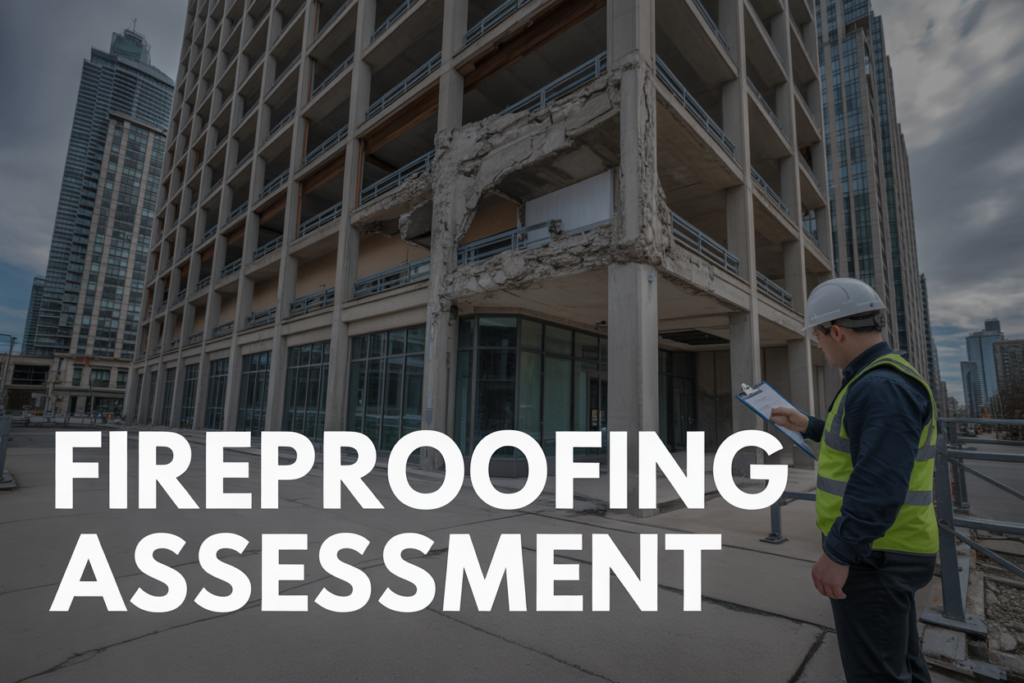
Building fires spread fast, and your Toronto property might be more vulnerable than you think. If you’re a property owner, facility manager, or building operator in the GTA, recognizing when your building needs fireproofing could save lives and protect your investment.
Your building might be sending you warning signs right now. Cracked walls and exposed structural elements don’t just look bad – they create dangerous pathways for fire and smoke. You’ll also want to pay attention to your fire safety inspection results and any changes in your insurance premiums, as these often signal underlying fire protection problems.
We’ll walk you through the seven key warning signs that mean your building needs fireproofing work immediately. You’ll learn how to spot visible structural damage that compromises fire safety, understand why outdated building materials put your property at risk, and discover how regulatory changes might require you to take action sooner than expected.
Visible Structural Damage Indicates Fire Vulnerability
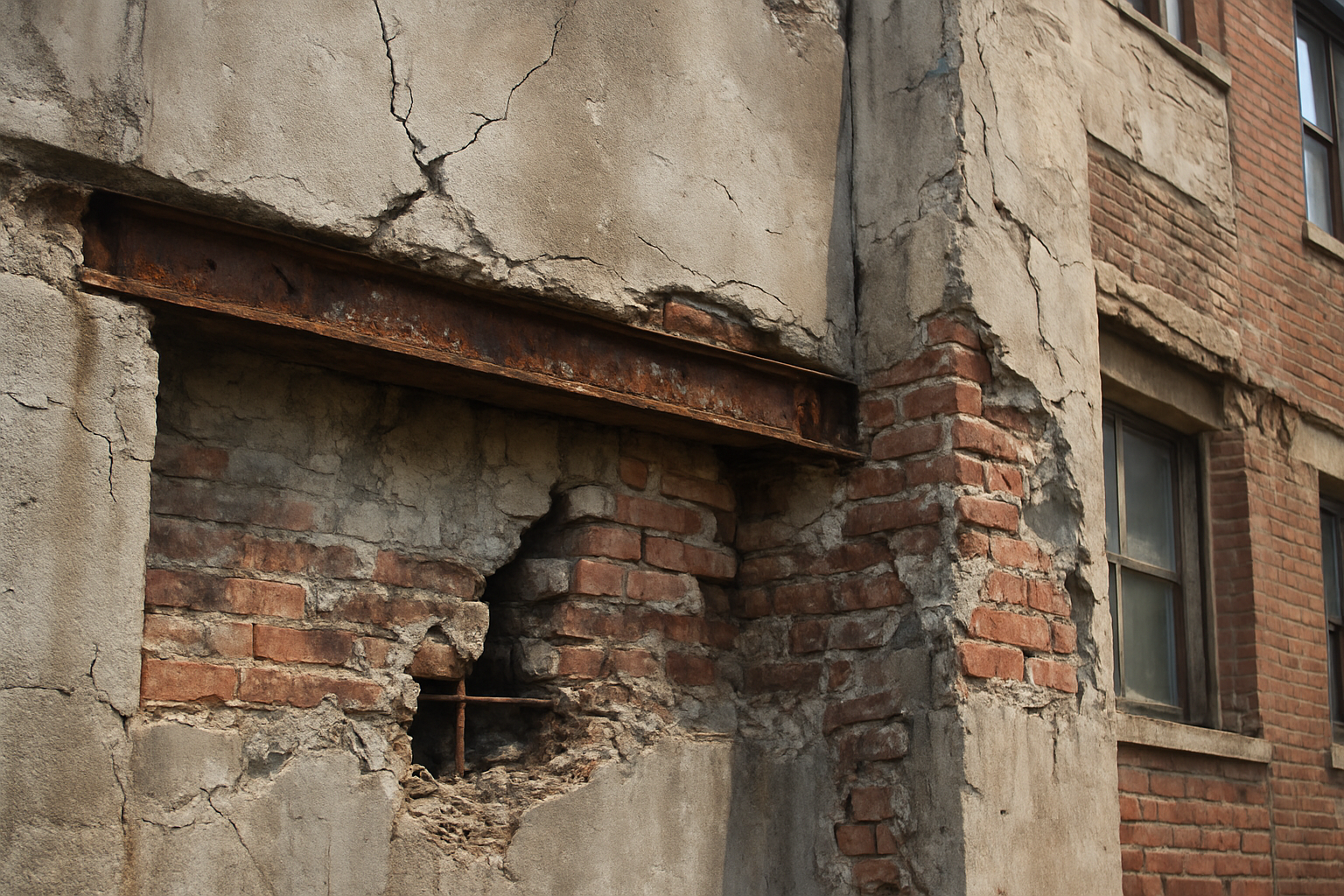
Cracks in walls and foundations expose flammable materials
When you spot cracks in your building’s walls or foundation, you’re looking at more than just cosmetic damage. These seemingly minor fissures create dangerous pathways that compromise your building’s fire safety. Behind those walls, you have electrical wiring, insulation, and other combustible materials that should remain protected from flames and heat.
Your building’s fire-rated walls are designed to contain fires for specific time periods, but cracks break this barrier system. Even hairline fractures can allow smoke and flames to travel between floors and rooms, turning what should be a contained incident into a building-wide emergency. The insulation materials tucked away in your walls become particularly vulnerable when exposed through these openings.
You need to understand that foundation cracks pose an even greater risk. They often indicate structural movement that affects the entire building envelope. As your foundation shifts, it pulls apart connections between fire-resistant assemblies, creating gaps where flames can spread rapidly through concealed spaces.
Regular visual inspections help you catch these problems early. Look for new cracks, especially around windows, doors, and where different materials meet. Pay attention to stair cracks that follow mortar lines or run diagonally across walls. These patterns often signal underlying structural issues that compromise your fire protection systems.
Deteriorating concrete reduces fire resistance ratings
Your concrete isn’t just holding up your building – it’s also protecting it from fire. When concrete starts to deteriorate, you lose precious fire resistance time that could mean the difference between a contained incident and a catastrophic loss.
Concrete naturally provides excellent fire protection because of its low thermal conductivity and high heat capacity. However, as your building ages, several factors attack this protective barrier. Freeze-thaw cycles, chemical exposure, and carbonation gradually weaken the concrete matrix. You’ll notice this deterioration as spalling, where chunks of concrete break away, or as surface scaling and dusting.
The steel reinforcement inside your concrete creates another vulnerability. When concrete cover becomes too thin due to deterioration, the embedded steel heats up faster during fires. This rapid heating causes thermal expansion that cracks the concrete further, accelerating the degradation process and reducing your fire resistance rating from hours to minutes.
Water damage makes everything worse. If you’ve had leaks or flooding, the moisture penetrates deep into your concrete, carrying salts and chemicals that corrode reinforcing steel. This corrosion creates internal pressure that literally pushes your concrete apart from the inside.
You can assess concrete condition by looking for rust stains, which indicate corroding reinforcement, or by tapping surfaces to detect hollow sounds that suggest delamination. Professional testing can measure remaining cover thickness and overall structural integrity.
Exposed steel beams risk rapid heat transfer during fires
Steel loses its strength quickly when exposed to high temperatures, and your exposed structural steel beams represent one of the most critical fire vulnerabilities in your building. Without proper fireproofing, steel begins to weaken at around 1000°F and can lose half its strength by 1200°F – temperatures that fires reach within minutes.
Your building’s structural steel was likely designed assuming specific fire protection measures would remain in place throughout the building’s life. When fireproofing materials fall off, get damaged during renovations, or simply age beyond effectiveness, you’re left with bare steel that can fail catastrophically during a fire event.
Different types of fireproofing protect your steel in different ways. Spray-applied fireproofing creates a thermal barrier, while intumescent coatings expand when heated to form an insulating char layer. Board systems provide mechanical protection along with thermal resistance. Each system has specific maintenance requirements and expected lifespans that you need to monitor.
You should regularly inspect all accessible steel members for fireproofing integrity. Look for areas where coatings have chipped, cracked, or peeled away. Pay special attention to connections, penetrations, and areas where mechanical systems attach to structural members. These locations often show the first signs of fireproofing failure.
Remember that even small areas of exposed steel can compromise your entire structural system. Heat travels through steel members, potentially weakening connections and adjacent protected elements. Your fire safety depends on maintaining complete, continuous protection for all structural steel elements.
Outdated Building Materials Fail Modern Fire Safety Standards
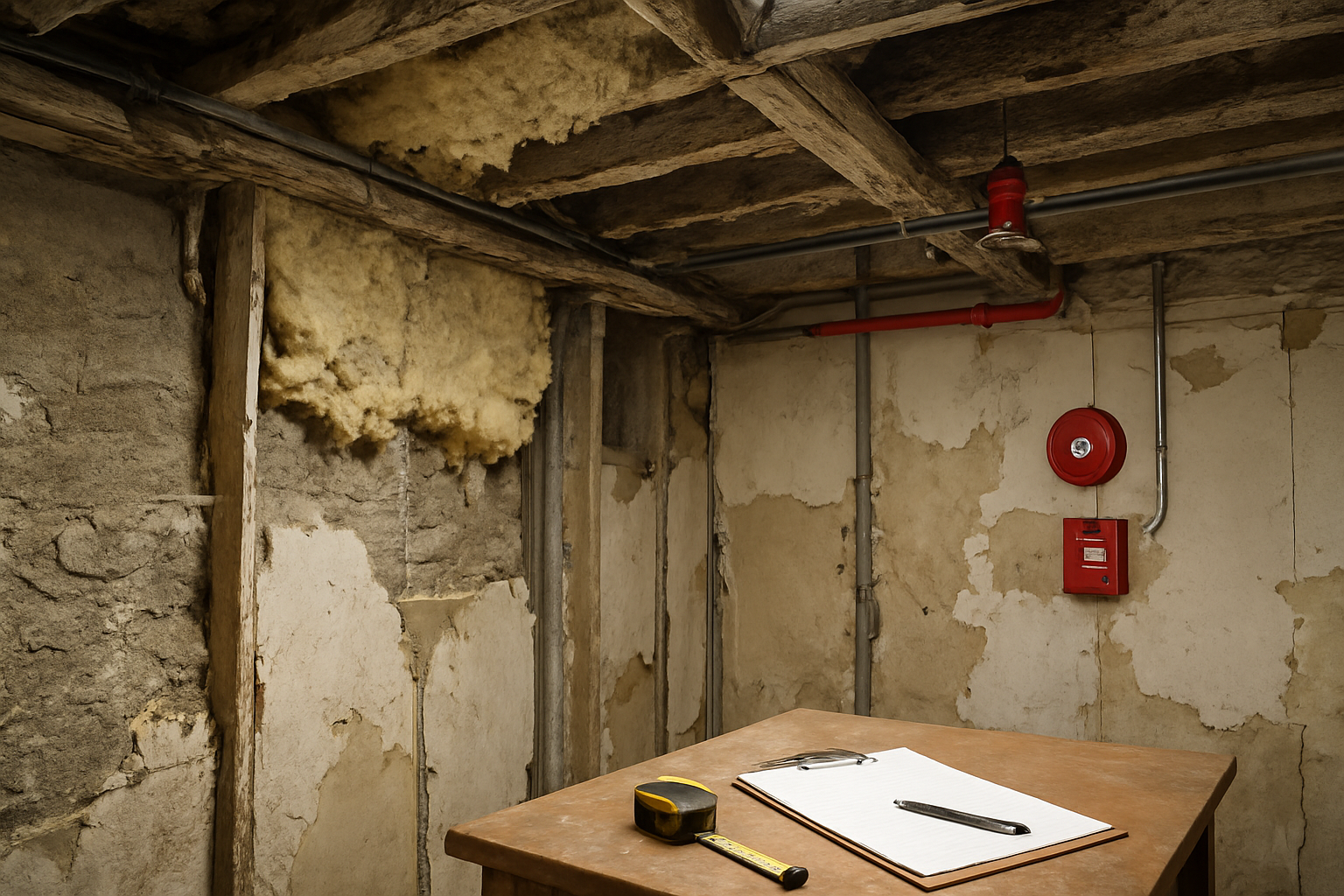
Asbestos-containing materials create dual health and fire hazards
Your building’s asbestos-containing materials present a dangerous double threat that you can’t afford to ignore. While these materials were once considered excellent fireproofing solutions, they actually create significant fire safety risks when they deteriorate or become damaged. When exposed to high temperatures, asbestos insulation and fireproofing materials can release toxic fibers into the air while simultaneously losing their protective properties.
You’ll find asbestos in various building components installed before the 1980s, including pipe insulation, ceiling tiles, floor materials, and spray-on fireproofing. During a fire, these materials can crumble and create hazardous dust clouds that block escape routes and compromise firefighting efforts. The deteriorated asbestos also fails to provide the fire resistance your building needs, creating weak points where flames can spread rapidly through structural elements.
Old insulation lacks proper fire-retardant properties
Your building’s aging insulation system likely fails to meet current fire safety requirements, leaving you vulnerable to rapid fire spread. Older insulation materials, particularly those installed before modern fire codes, often lack the chemical treatments and fire-retardant properties that today’s standards demand. This means your walls, ceilings, and mechanical spaces could act as pathways for fire rather than barriers against it.
You might notice that your older insulation has become compressed, damaged, or contaminated over time, which reduces its fire-resistance capabilities even further. When insulation fails during a fire, flames can travel through wall cavities and between floors at alarming speeds, giving occupants less time to evacuate safely. Modern fireproofing solutions provide superior protection by actively resisting combustion and maintaining their integrity under extreme heat conditions.
Wooden structural elements increase fire spread risk
Your building’s wooden beams, joists, and structural supports create significant fire vulnerabilities that require immediate attention. Untreated or inadequately protected wood members can ignite quickly and contribute fuel to fires, accelerating structural collapse and endangering lives. When these wooden elements lack proper fireproofing, they become weak links in your building’s overall fire safety system.
You need to assess whether your wooden structural components have received appropriate fire-retardant treatments or protective coatings. Exposed wood in mechanical rooms, stairwells, and concealed spaces poses particular risks because fires can spread undetected through these areas. Professional fireproofing can transform these vulnerable wooden elements into fire-resistant barriers that maintain their structural integrity longer during emergency situations.
Non-compliant wiring systems pose ignition threats
Your outdated electrical systems create multiple fire ignition points throughout your building, making comprehensive fireproofing essential for safety. Older wiring often lacks proper insulation, adequate capacity for modern electrical loads, and code-compliant installation methods. These deficiencies can lead to overheating, arcing, and electrical fires that spread rapidly through walls and ceilings.
You should be particularly concerned about knob-and-tube wiring, aluminum wiring, and any electrical installations that predate modern fire safety codes. These systems often run through combustible materials without proper fire stops or protective barriers. When electrical fires start in these older systems, they can travel along wire pathways and ignite surrounding materials before detection systems activate. Professional fireproofing around electrical penetrations and pathways helps contain electrical fires and prevents them from spreading to other building areas.
Failed Fire Safety Inspections Reveal Critical Gaps
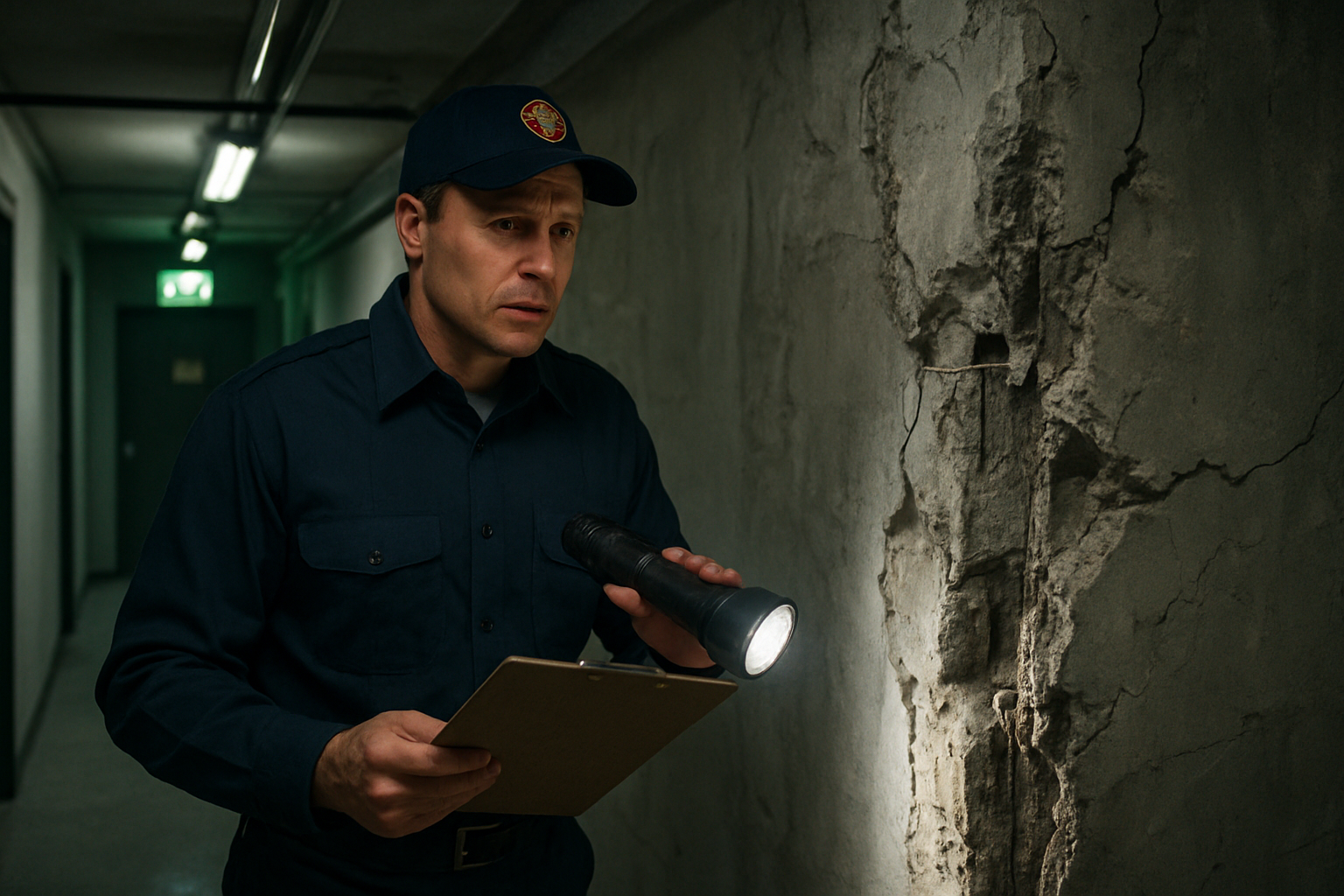
Code violations signal immediate fireproofing needs
When fire safety inspections reveal code violations in your Toronto building, you’re looking at more than just paperwork problems. These violations are red flags that your current fire protection measures aren’t cutting it. Common violations include inadequate fire-rated assemblies, missing or damaged fire barriers, and structural elements that lack proper fireproofing coatings.
Your building might have steel beams exposed without the required fire-resistant materials, or walls that don’t meet the mandated fire resistance ratings for your occupancy type. These aren’t minor oversights – they’re serious gaps that could mean the difference between containment and catastrophe during a fire emergency.
Toronto Fire Services takes these violations seriously, and you should too. Each violation represents a specific area where your building’s fire protection falls short of current safety standards. The good news? Most violations point directly to fireproofing solutions that can bring your building back into compliance.
Insurance company recommendations highlight liability issues
Your insurance provider isn’t just making suggestions when they recommend fireproofing improvements – they’re protecting their investment and yours. Insurance companies conduct their own risk assessments, often more stringent than municipal inspections, and their recommendations carry serious weight.
When your insurer flags fireproofing deficiencies, they’re seeing liability risks that could cost you big time. These recommendations often come with deadlines, and ignoring them can lead to coverage restrictions or policy cancellation. You might find yourself facing higher deductibles, reduced coverage limits, or exclusions for fire-related damages.
Smart property owners treat insurance recommendations as early warning systems. Your insurer has access to extensive fire loss data and knows exactly which building characteristics lead to devastating claims. When they point out fireproofing needs, they’re giving you a roadmap to protect your investment and maintain favorable insurance terms.
Municipal inspection failures threaten building permits
Failed municipal fire safety inspections put your building permits at serious risk. Toronto’s Building Code enforcement doesn’t mess around when it comes to fire safety violations, and repeated failures can trigger permit suspensions or revocations that shut down your operations.
You’ll face escalating consequences with each failed re-inspection. First comes the notice of violation, then mandatory compliance timelines, followed by work orders that can restrict occupancy. If you continue to fail inspections, the city can issue stop-work orders or even condemn portions of your building until you address the fireproofing deficiencies.
The permit process becomes your lifeline back to full operation. But here’s the catch – you can’t just patch things up temporarily. Municipal inspectors want to see comprehensive fireproofing solutions that address root causes, not quick fixes. Your building’s future depends on getting these inspections right, and proper fireproofing is often the key to passing.
High-Risk Tenant Activities Demand Enhanced Protection

Manufacturing Operations Generate Heat and Sparks
Your manufacturing tenants create unique fire risks that standard building safety measures can’t handle. When you have metalworking shops, welding operations, or heavy machinery running throughout your building, you’re dealing with constant sources of ignition. These activities produce flying sparks, extreme heat, and combustible metal shavings that can quickly turn a small incident into a devastating fire.
You need specialized fireproofing systems that can withstand temperatures exceeding 2000°F. Standard drywall and basic fire-rated assemblies won’t protect your building when welding torches or grinding equipment are operating daily. The heat generated by these processes can weaken structural steel long before flames even appear, compromising your building’s integrity.
Your insurance carrier knows these risks too. They’ve likely already flagged your property for higher premiums if you’re housing manufacturing operations without proper fire barriers. Installing intumescent coatings on steel beams and upgrading to industrial-grade fire suppression systems isn’t just smart – it’s financially necessary.
Chemical Storage Requires Specialized Fire Barriers
Chemical storage areas in your building demand fire protection systems that go beyond standard requirements. Your tenants might be storing solvents, acids, oils, or other hazardous materials that create complex fire scenarios. When these chemicals ignite, they burn hotter and spread faster than ordinary combustibles.
You can’t rely on water-based sprinkler systems alone when dealing with chemical fires. Some chemicals react violently with water, creating toxic gases or explosive conditions. Your fireproofing strategy needs to include specialized suppression agents and containment barriers that prevent chemical fires from spreading to adjacent areas.
Fire-rated walls around chemical storage areas must meet specific standards for chemical resistance. Standard gypsum board deteriorates when exposed to certain chemical vapors over time, creating weak points in your fire protection system. You need chemical-resistant barriers and proper ventilation systems to maintain the integrity of your fireproofing measures.
High-Density Occupancy Increases Evacuation Risks
When your building houses call centers, co-working spaces, or other high-density operations, evacuation becomes your biggest challenge during a fire emergency. More people means longer evacuation times, increased panic potential, and greater strain on your fire protection systems.
Your current fire barriers might not provide enough time for safe evacuation when you’re dealing with hundreds of occupants instead of dozens. Building codes establish minimum egress requirements, but these standards assume average occupancy levels. When you’re packing more people into the same space, you need enhanced fire protection to buy extra evacuation time.
Stairwells and corridors become bottlenecks during emergencies. If your fire-rated assemblies fail before everyone evacuates, you’re facing a catastrophic situation. Upgrading your fireproofing systems extends the time your escape routes remain usable, giving everyone a better chance of getting out safely.
Restaurant Kitchens Create Grease Fire Hazards
Restaurant operations in your building introduce grease fires – one of the most aggressive and difficult-to-control fire types. Grease burns extremely hot and spreads rapidly through ventilation systems, making it particularly dangerous in multi-tenant buildings.
Your standard fire suppression systems aren’t designed to handle grease fires effectively. Water-based sprinklers can actually spread burning grease, making the fire worse. You need specialized wet chemical suppression systems and fire-rated ductwork that can contain grease fires before they spread beyond the kitchen area.
Grease accumulation in exhaust systems creates hidden fire risks throughout your building. Even with regular cleaning, grease deposits can ignite and travel through ductwork to other floors. Your fireproofing strategy must include fire-rated penetration seals around all kitchen exhaust systems and specialized barriers that prevent grease fires from accessing structural elements.
Kitchen fires also generate intense heat that can compromise structural steel faster than other fire types. The combination of high temperatures and grease creates conditions that overwhelm standard fireproofing materials, requiring upgraded protection systems specifically rated for commercial kitchen environments.
Aging Infrastructure Shows Compromised Fire Systems
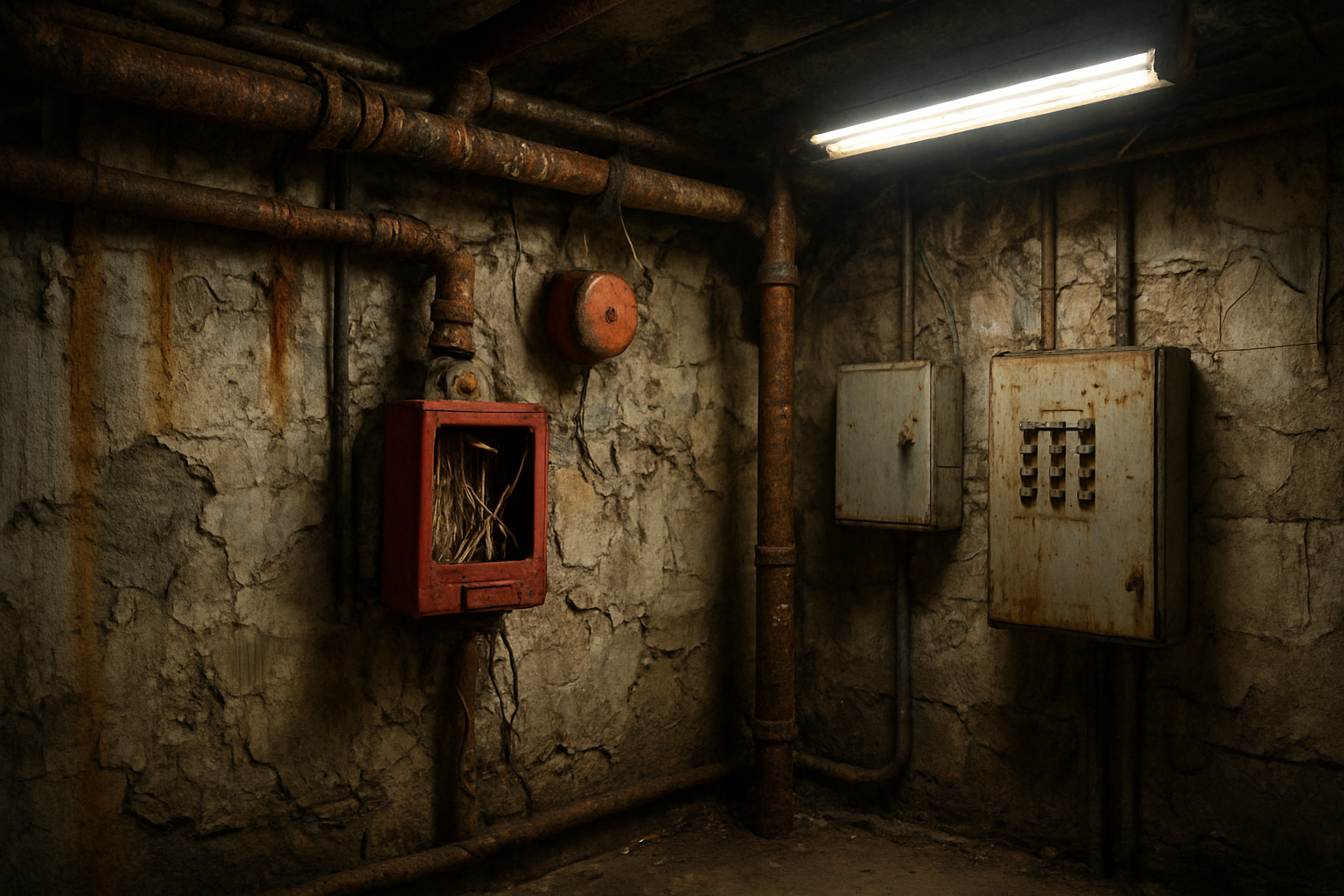
Sprinkler System Corrosion Reduces Effectiveness
Your sprinkler system might look functional from the outside, but hidden corrosion can turn your first line of fire defense into a false sense of security. When pipes corrode internally, you face reduced water pressure, blocked nozzles, and complete system failure when you need protection most.
Check your sprinkler heads for rust stains, mineral deposits, or discoloration around the fittings. These visible signs often point to more serious internal problems. Older buildings with galvanized steel pipes are particularly vulnerable, as these materials weren’t designed for decades of use. You’ll notice water discoloration during testing or maintenance – a clear indicator that corrosion is eating away at your system’s reliability.
The consequences go beyond equipment failure. Corroded systems can’t deliver adequate water coverage, leaving entire floors vulnerable during emergencies. Your building’s fire suppression becomes unpredictable, putting lives at risk and exposing you to massive liability. Professional inspection can reveal the extent of damage and determine whether repairs or full replacement are necessary.
Fire Door Mechanisms Fail to Seal Properly
Your fire doors serve as critical barriers that contain smoke and flames, buying precious time for evacuation. When these mechanisms fail, you lose essential protection that can mean the difference between a contained incident and a building-wide disaster.
Watch for gaps around door frames, damaged weather stripping, or doors that don’t close completely. Your fire doors should shut automatically and create a tight seal – any compromise in this function puts everyone at risk. Heavy use over time wears down hinges, springs, and automatic closing mechanisms. You might notice doors staying open when they should close, or closing too slowly to be effective.
Temperature changes affect door alignment, and building settling can warp frames. Regular testing reveals problems before emergencies strike. Your maintenance team should check each fire door monthly, ensuring proper operation and seal integrity. Document any issues immediately – fire inspectors look closely at door function during safety evaluations.
Emergency Lighting Systems Malfunction During Power Loss
When power fails during a fire emergency, your emergency lighting becomes the lifeline guiding people to safety. Aging systems often fail precisely when you need them most, leaving evacuees in darkness during critical moments.
Battery backup systems lose capacity over time, reducing illumination duration below required safety standards. You need emergency lights that stay bright for at least 90 minutes during power outages. Test your system monthly by cutting power and timing how long lights remain functional. Dimming or flickering during tests indicates battery replacement needs.
LED conversions offer longer battery life and brighter illumination, but older fluorescent emergency fixtures often struggle with modern demands. Your exit signs must remain clearly visible, and pathway lighting needs sufficient brightness for safe navigation. Burned-out bulbs, corroded battery terminals, and outdated charging systems create dangerous gaps in your emergency preparedness. Regular professional maintenance ensures your lighting system performs when seconds count and visibility saves lives.
Insurance Premiums Increase Due to Fire Risk Assessment

Carrier Inspections Identify Unprotected Vulnerabilities
Your insurance company doesn’t just take your word for it when assessing fire risk. Professional inspectors regularly examine commercial buildings to evaluate potential hazards and determine appropriate coverage levels. During these inspections, they’re specifically looking for areas where fire could spread rapidly due to inadequate protection.
When inspectors find exposed structural steel, unprotected beam connections, or missing fire barriers, they document these vulnerabilities in their reports. These findings directly impact your coverage terms and premium calculations. Your carrier might flag aging fireproofing materials that have deteriorated over time, especially in Toronto’s older commercial districts where buildings face constant temperature fluctuations and environmental stressors.
The inspection process typically covers critical areas like stairwells, mechanical rooms, and structural elements that support multiple floors. Inspectors pay close attention to any modifications or renovations that might have compromised original fire protection systems. If they discover gaps in your building’s fireproofing, you’ll receive a detailed report outlining specific areas requiring immediate attention.
Claims History Reveals Pattern of Fire-Related Incidents
Your building’s claims history tells a story that insurance companies read carefully. Even minor fire incidents, smoke damage, or electrical issues create a pattern that actuaries use to predict future risks. If your property has experienced multiple fire-related claims, carriers view this as a strong indicator of ongoing vulnerabilities.
Insurance companies maintain detailed databases tracking incidents across Toronto’s commercial real estate market. They analyze factors like building age, construction type, and previous fire protection investments to identify properties with elevated risk profiles. Your claims history becomes part of a broader risk assessment that influences not just your premiums but also your ability to secure coverage.
When reviewing your file, carriers look beyond just the number of claims to examine the underlying causes. Repeated issues with electrical systems, heating equipment failures, or incidents involving structural areas suggest inadequate fire protection measures. This pattern recognition drives premium adjustments and coverage restrictions.
Industry Risk Models Target Older Toronto Buildings
Insurance industry risk models specifically target Toronto’s aging building stock for increased scrutiny and higher premiums. These sophisticated algorithms analyze building characteristics, neighborhood fire response capabilities, and historical loss data to predict future claims probability.
Buildings constructed before modern fire codes face the highest premium increases. Your property’s construction date, materials used, and original fireproofing specifications all factor into these risk calculations. The models particularly flag buildings from the 1960s through 1980s, when fire protection standards were less stringent than today’s requirements.
Geographic factors also play a role in these assessments. Buildings in Toronto’s dense commercial areas face higher risk ratings due to potential fire spread between structures. The proximity to fire stations, water pressure availability, and local emergency response times all influence your risk profile and associated premium costs.
Premium Spikes Signal Urgent Fireproofing Investment Needs
When you receive notice of significant premium increases, it’s often your insurance company’s way of telling you that fireproofing upgrades can no longer be delayed. These spikes aren’t arbitrary—they reflect calculated risk assessments that identify your building as a liability requiring immediate attention.
Smart property owners view premium increases as early warning signals rather than unavoidable costs. The money you’re now paying in higher premiums could fund fireproofing improvements that would reduce your risk profile and lower future insurance costs. Many building owners find that fireproofing investments pay for themselves through reduced premiums within just a few years.
Your insurance carrier might offer premium discounts or coverage improvements once you complete fireproofing upgrades. These incentives recognize that proper fire protection reduces their exposure to large claims payouts. By addressing fireproofing deficiencies now, you’re not just protecting your property—you’re making a financially sound investment that benefits your bottom line for years to come.
Regulatory Changes Require Immediate Compliance Action

Updated Toronto Fire Services Bylaws Mandate Upgrades
Your building may already be operating under outdated fire safety standards without you realizing it. Toronto Fire Services has recently implemented comprehensive bylaw updates that directly impact commercial and residential buildings throughout the city. These changes aren’t suggestions—they’re legal requirements that demand immediate attention from property owners.
The new bylaws specifically target buildings constructed before 2015, requiring enhanced fireproofing measures for structural steel elements, upgraded fire-rated assemblies, and improved compartmentalization systems. You’ll need to ensure your building meets the revised sprinkler system requirements, which now mandate coverage in previously exempt areas like storage rooms and utility spaces.
Your compliance timeline depends on your building’s classification and occupancy type. High-rise residential buildings have 18 months to complete upgrades, while commercial structures face a 24-month deadline. The penalties for non-compliance are severe—you could face fines up to $100,000 and potential closure orders that would devastate your operations.
Don’t wait for an enforcement notice. Contact a certified fire protection consultant now to assess your building’s current status and develop a compliance strategy. The city offers no extensions or grace periods, and the inspection frequency has doubled for buildings flagged as non-compliant.
Provincial Building Code Revisions Affect Existing Structures
You might think building code changes only apply to new construction, but you’re wrong. Ontario’s recent Provincial Building Code revisions have created retroactive requirements that affect your existing structure, regardless of when it was built or last renovated.
The updated code introduces stricter fire resistance ratings for load-bearing elements, expanded fireproofing requirements for concealed spaces, and mandatory fire stops in previously overlooked areas. Your building’s elevator shafts, mechanical rooms, and vertical penetrations must now meet enhanced protection standards that likely exceed your current installations.
Property owners face a three-tier compliance approach based on building age and occupancy:
| Building Type | Compliance Deadline | Required Upgrades |
|---|---|---|
| Pre-1990 High-Rise | 12 months | Full fireproofing retrofit |
| 1990-2010 Mid-Rise | 18 months | Selective upgrades |
| Post-2010 Low-Rise | 24 months | Minor modifications |
You’ll need professional engineering assessments to determine your exact requirements. The province has eliminated previous grandfather clauses, meaning your building must meet current standards or face regulatory action. Insurance companies are already adjusting policies based on these new requirements, potentially leaving you exposed to coverage gaps if you delay compliance.
Federal Safety Standards Impose New Fireproofing Requirements
Your building now falls under expanded federal oversight that extends beyond traditional federal properties. Recent amendments to the National Fire Code of Canada have created binding requirements for any structure that could impact public safety or critical infrastructure—and that definition is broader than you think.
Buildings within 500 meters of airports, transit hubs, hospitals, or government facilities must comply with enhanced federal fireproofing standards. These requirements exceed both municipal and provincial codes, demanding specialized fireproofing materials with extended rating periods and additional redundancy systems.
The federal standards introduce mandatory third-party verification processes that add complexity and cost to your compliance efforts. You’ll need certified fire protection engineers to conduct detailed assessments, submit comprehensive documentation, and oversee installation work performed by federally approved contractors.
Your compliance costs could range from $50,000 to $500,000 depending on your building’s size and current fire protection status. Federal enforcement includes criminal liability provisions for property owners who knowingly operate non-compliant buildings. The penalties escalate rapidly—from administrative fines to potential prosecution under the Criminal Code if your non-compliance contributes to injury or death.
Start your compliance process immediately by requesting a federal assessment through Transport Canada or Public Safety Canada, depending on your building’s proximity to regulated facilities. These assessments can take 60-90 days to complete, and you cannot begin remedial work without federal approval of your compliance plan.
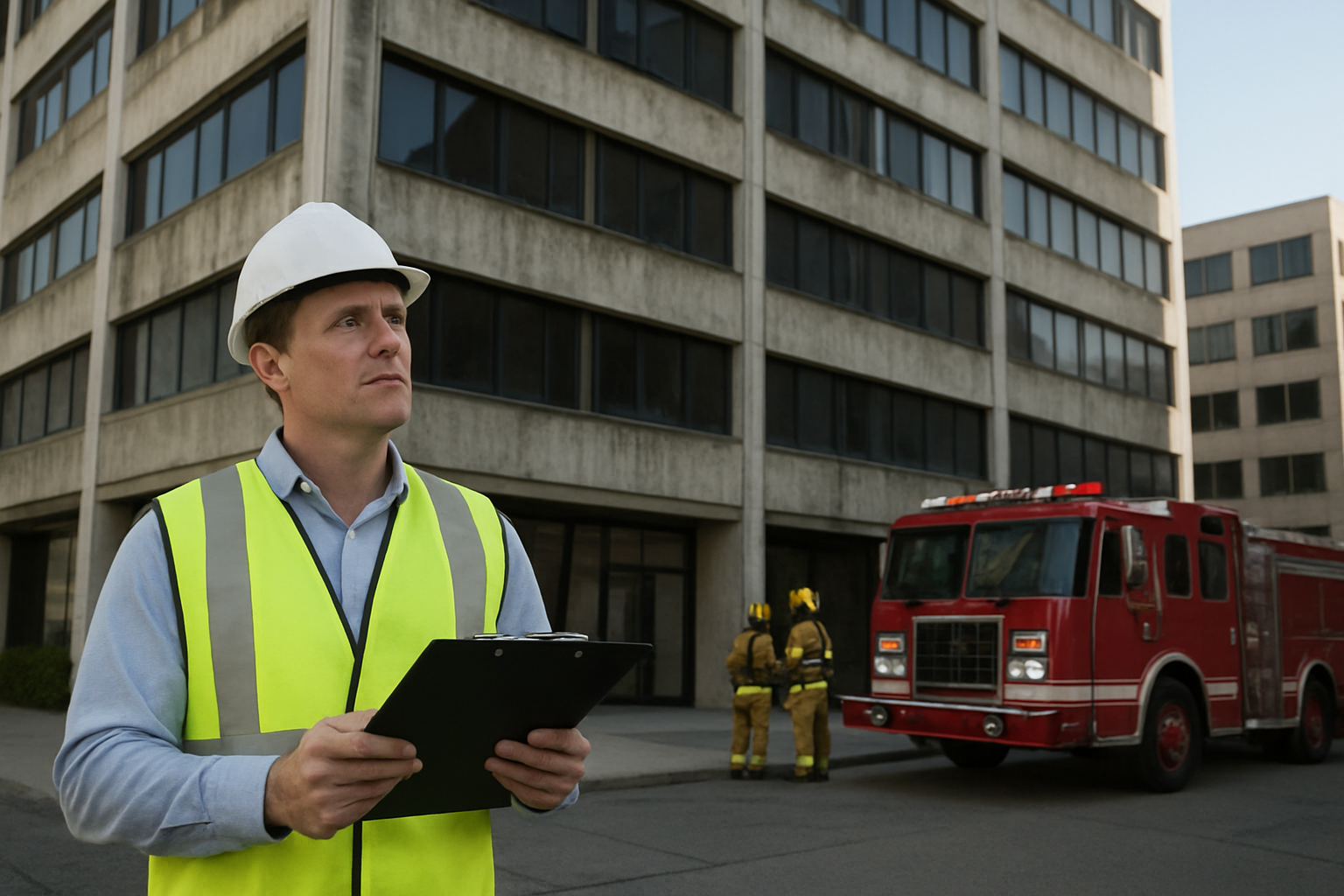
Your building’s safety isn’t something you can put off until tomorrow. When you spot cracked concrete, outdated asbestos materials, or failed fire inspections, these aren’t just minor inconveniences – they’re red flags telling you that your property and everyone inside it could be at serious risk. The same goes for aging sprinkler systems that don’t work properly or insurance companies hiking up your premiums because they see your building as a fire hazard.
Don’t wait for a disaster to force your hand. If you’ve noticed any of these seven warning signs, reach out to a certified fireproofing contractor today. Getting a professional assessment now could save you from devastating losses later, not to mention keeping you compliant with Toronto’s fire safety regulations. Your tenants, your investment, and your peace of mind all depend on taking action while you still can.
Related Resources for Toronto Homeowners
Maintaining strong, damage-free walls often involves more than drywall repair. These additional services and resources can help protect your Toronto home from moisture, heat loss, and structural issues:
- Toronto insulation and home protection services
- Fireproofing in Toronto to enhance your home’s safety.
- Spray foam insulation cost calculator to estimate energy-saving upgrades.
- Blue Skin waterproofing in Toronto for moisture protection behind your walls.
- Spray Foam Kings for expert insulation and moisture solutions.
- Spray Foam Kings Google Business Profile to view reviews and contact our team.