
Fire protection mistakes in Toronto buildings kill people every year. You might think your home or workplace is safe, but deadly oversights often hide in plain sight.
This guide is for Toronto homeowners, property managers, and business owners who want to protect lives and avoid tragic fire deaths. You’ll discover the most common fire protection failures that turn emergencies into disasters.
We’ll show you how inadequate smoke detector maintenance leaves families defenseless against deadly smoke. You’ll learn why blocked emergency exits become death traps when seconds count most. We’ll also cover how faulty fire escape planning creates panic that kills more people than the fire itself.
Each mistake costs precious time when lives hang in the balance. The good news? You can fix these problems before they become fatal.
Inadequate Smoke Detector Maintenance Kills Families
Failing to Replace Batteries Annually
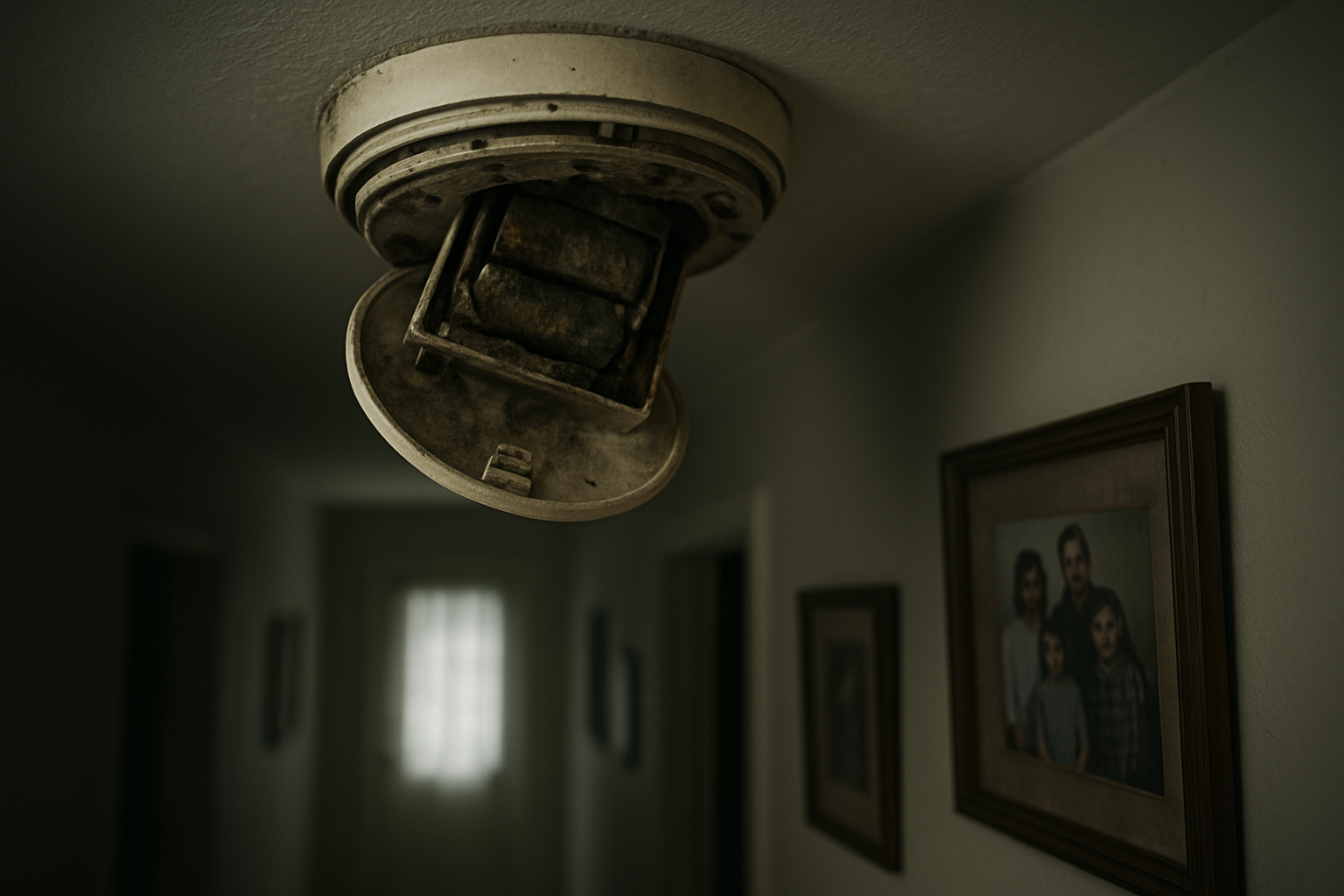
Your smoke detector’s piercing beep at 3 AM isn’t just annoying—it’s desperately trying to save your life. When you ignore that low battery warning or forget to change batteries annually, you’re gambling with your family’s safety. Dead batteries render your smoke detector completely useless, creating a silent death trap in your home.
Many Toronto families have learned this lesson too late. Fire department statistics show that nearly 25% of home fire deaths occur in properties with non-functional smoke detectors, and dead batteries are the leading cause. You might think you’ll remember to change them, but life gets busy. Set a recurring calendar reminder for the same date each year—many people choose when daylight saving time begins or ends.
Don’t wait for that chirping sound. By the time your detector starts beeping, the battery is already critically low and may fail completely within days. Replace all batteries simultaneously, even if some detectors haven’t started chirping yet. Different batteries installed at different times create a confusing maintenance schedule that’s easy to forget.
Ignoring Expired Detector Units After 10 Years
Your smoke detector has an expiration date, and ignoring it could cost lives. After 10 years, the sensors inside your detector begin to degrade, making them less sensitive to smoke particles. This degradation happens gradually, so you won’t notice the decreased performance until it’s too late.
Check the manufacture date on the back of your detector right now. If it’s approaching or past the 10-year mark, replacement isn’t optional—it’s critical. Old detectors may still chirp for low batteries, giving you a false sense of security while their smoke-sensing capabilities have significantly diminished.
Toronto’s building codes require detector replacement every 10 years for good reason. The photoelectric and ionization sensors lose their sensitivity over time, and dust accumulation further reduces their effectiveness. You can’t simply clean an expired detector back to working condition. The internal components have reached the end of their reliable lifespan.
When replacing detectors, upgrade to models with 10-year sealed lithium batteries. These eliminate the annual battery replacement routine and provide consistent power throughout the detector’s entire lifespan.
Skipping Monthly Testing Protocols
Pressing that test button isn’t busy work—it’s a life-saving habit you need to develop. Your smoke detector’s loud shriek during testing proves the alarm system works, but skipping these monthly checks leaves you vulnerable to silent failures.
Testing takes less than 30 seconds per detector, yet many homeowners skip this simple safety protocol for months or even years. During testing, you’re checking the alarm’s volume, ensuring the battery has sufficient power, and confirming the internal circuits function properly. A detector might have power for its LED light but lack enough juice to sound a life-saving alarm.
Create a monthly testing routine by linking it to another regular activity, like paying bills or checking your home’s air filters. Walk through your home and test every detector, including those in basements, bedrooms, hallways, and near kitchens. Don’t assume they’re all working because one or two function properly.
If any detector fails to sound during testing, replace the battery immediately and test again. If it still doesn’t work, replace the entire unit. Your family’s safety depends on every detector functioning perfectly when smoke appears.
Installing Detectors in Wrong Locations
Where you place your smoke detectors can mean the difference between early escape and tragic death. Installing detectors in the wrong locations creates dangerous blind spots where fires can develop undetected, giving flames and toxic smoke precious time to spread throughout your home.
Your detectors need strategic placement to catch smoke before it becomes deadly. Install them on ceilings or high on walls, since smoke rises. Avoid corners where air circulation is poor—mount detectors at least four inches from any wall-ceiling junction. Never place detectors near windows, doors, or air vents where drafts might blow smoke away from the sensors.
Every bedroom needs a detector, along with hallways leading to sleeping areas. Don’t forget basements, where electrical fires often start, and areas near furnaces or water heaters. Kitchen placement requires special consideration—position detectors at least 10 feet from cooking appliances to prevent false alarms from normal cooking smoke.
Multi-level homes need detectors on every floor, including finished basements and attics used for storage. Remember that interconnected detectors provide the best protection—when one detects smoke, all alarms sound simultaneously, alerting everyone in your home regardless of where the fire starts.
Blocked Emergency Exits Create Death Traps

Storing Items in Stairwells and Hallways
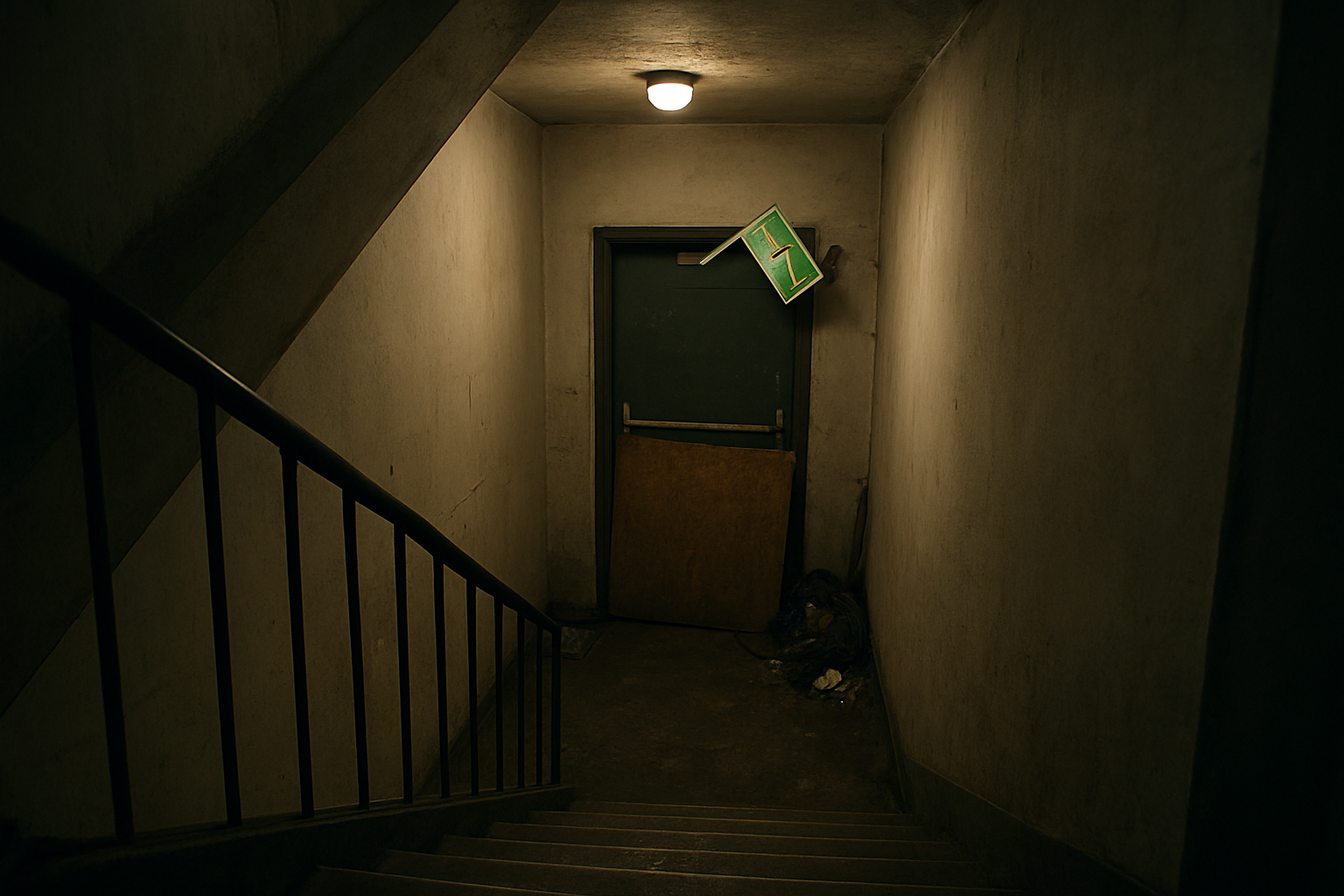
Your stairwells and hallways are lifelines during emergencies, yet you might be turning them into deadly obstacles without realizing it. When fire breaks out, these pathways become your only route to safety, and every second counts. Stacking boxes, bicycles, or storage containers in these areas creates dangerous bottlenecks that can trap you and your family.
You’re not alone if you’ve squeezed a few items into that seemingly unused corner of your stairwell. Many Toronto residents treat these spaces as convenient storage areas, especially in older buildings where storage is limited. However, this seemingly harmless practice violates fire codes and puts lives at risk.
During emergencies, you’ll likely navigate these spaces in darkness or heavy smoke. That innocent pile of holiday decorations becomes a tripping hazard that could send you tumbling down the stairs. Your children might panic and struggle to climb over obstacles they easily stepped around during normal circumstances.
Building managers must regularly inspect and clear these areas, but you shouldn’t wait for them to act. Report any blocked exits immediately and resist the temptation to use emergency routes for storage. Your quick escape could depend on keeping these pathways completely clear.
Installing Security Bars Without Quick-Release Mechanisms
Your home security measures could become death sentences if you install window bars or security gates without proper quick-release mechanisms. Many Toronto homeowners install these protective barriers after break-ins or to deter crime, but they often overlook the critical need for emergency escape routes.
Standard security bars require keys or complex unlocking procedures that become impossible during high-stress situations. When fire spreads rapidly through your home, you won’t have time to fumble for keys or remember complicated release sequences. Panic sets in quickly, and fine motor skills deteriorate under extreme stress.
You need security bars with quick-release mechanisms that can be operated from inside without tools or keys. These systems should be simple enough for children and elderly family members to operate in darkness. The release mechanism must be clearly marked and easily accessible, yet not so obvious that intruders can manipulate it from outside.
Test your quick-release mechanisms monthly to ensure they function properly. Rust, paint buildup, or mechanical wear can cause these systems to fail when you need them most. Show every family member how to operate the releases and practice emergency scenarios regularly. Your security shouldn’t become your prison during the moments when escape means survival.
Locking Emergency Exits During Business Hours
Your workplace emergency exits must remain unlocked and accessible throughout business hours, yet many Toronto businesses still commit this potentially fatal violation. You might work in an office, restaurant, or retail space where managers lock exits to prevent theft, control employee movement, or restrict unauthorized access.
This practice creates death traps during emergencies when your primary exit becomes blocked or unusable. Fire can spread through commercial spaces incredibly quickly, filling hallways with toxic smoke and cutting off main routes. You need multiple escape options available at all times, not locked doors that require someone to find keys during chaos.
Some businesses use electromagnetic locks tied to fire alarm systems, which should automatically release during emergencies. However, these systems can fail due to power outages, system malfunctions, or improper maintenance. You shouldn’t depend solely on automated systems when lives are at stake.
Crash bars or panic hardware provide the perfect solution, allowing immediate exit from inside while maintaining security from outside. These devices let you escape quickly by simply pushing the bar, regardless of your physical strength or stress level.
You have the right to safe working conditions, including accessible emergency exits. Report locked exits to your local fire department immediately. Don’t let workplace policies compromise your safety or the safety of your coworkers. Your life is worth more than preventing petty theft or controlling access.
Faulty Fire Escape Planning Leads to Panic Deaths
Never Practicing Evacuation Routes with Family
Your family’s chances of surviving a fire drop dramatically when you’ve never practiced your escape plan. You might have mapped out routes on paper, but muscle memory only develops through repetition. When thick smoke fills your home at 2 AM and panic sets in, your family won’t remember which way to turn or how to navigate in complete darkness.
Run practice drills at least twice a year, making them as realistic as possible. Turn off lights and crawl low to simulate smoke conditions. Time each drill and identify areas where your family struggles. Your children need to know exactly where to go without thinking – their lives depend on automatic responses when fear takes over.
Failing to Designate Meeting Points Outside
After escaping a burning building, you need to know immediately whether everyone made it out safely. Without a predetermined meeting spot, precious minutes get wasted searching for family members while firefighters need accurate headcounts to plan rescue operations.
Choose two meeting points: one close to your home for sudden fires, and another farther away for situations where your street becomes inaccessible. Make sure your meeting spots are:
- Visible landmarks like specific trees, mailboxes, or neighbors’ driveways
- Safe distances from your home (at least 30 feet away)
- Accessible to all family members, including elderly relatives
- Known to everyone, including babysitters and frequent visitors
Ignoring Alternative Exit Strategies
Your primary exit route might be blocked by flames, debris, or smoke. Relying on just your front door creates a potentially fatal bottleneck. Every bedroom needs at least two ways out, and your family should know every possible escape route from every room.
Survey your home for backup exits: windows, sliding doors, basement walkouts, or garage doors. Install escape ladders for second-story bedrooms and teach everyone how to use them properly. Check that windows open easily – paint and age can seal them shut. Remove security bars that don’t have quick-release mechanisms, or ensure every family member can operate the release from inside.
Not Teaching Children Fire Safety Procedures
Children don’t instinctively know how to respond to fires. They often hide under beds or in closets when scared, making rescue nearly impossible. Your kids need specific instructions that override their natural panic responses.
Teach them to:
- Test doors with the back of their hand before opening
- Crawl low under smoke to breathe cleaner air
- Never go back inside for toys, pets, or belongings
- Stop, drop, and roll if their clothes catch fire
- Call 911 only after reaching safety
Practice these skills regularly until they become second nature. Role-play different scenarios, including what to do if they can’t reach you during an emergency. Your children should know your address and phone number by heart, plus how to identify themselves to firefighters.
Improper Fire Extinguisher Management Wastes Critical Seconds
Purchasing Wrong Extinguisher Types for Specific Fires
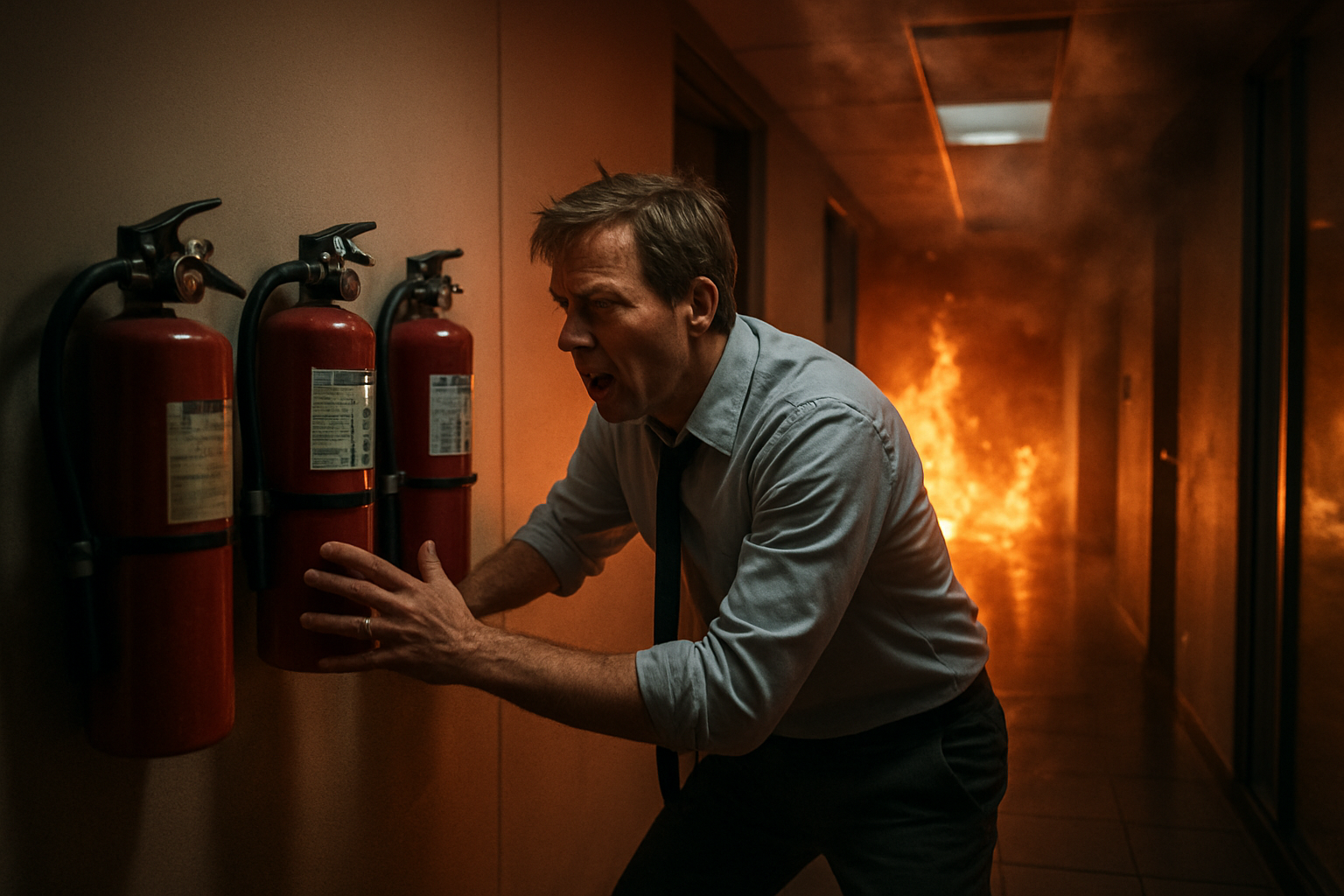
You might think any fire extinguisher will do the job, but grabbing the wrong type during an emergency can make things worse. Different fires need different extinguishers, and using water on a grease fire or powder on electrical equipment can spread flames or create dangerous situations.
Your kitchen needs a Class K extinguisher for cooking oils and fats. That standard ABC extinguisher you picked up at the hardware store won’t cut it when your deep fryer catches fire. For electrical panels and computer equipment, you need a Class C extinguisher that won’t conduct electricity back to you.
Many Toronto homeowners stock only one type throughout their property. You’re setting yourself up for failure. Your garage workshop needs different protection than your basement furnace room. Chemical fires, metal fires, and ordinary combustible materials each require specific suppression agents.
Before buying extinguishers, walk through your home and identify fire risks in each area. Your basement with stored papers and wood needs Class A protection. Your electrical panel requires Class C capability. Your kitchen demands Class K for cooking fires.
Check the labels carefully when shopping. Multi-purpose ABC extinguishers handle most common fires but won’t work for specialized risks. Don’t assume bigger is always better either – you need to be able to lift and operate the unit quickly under stress.
Failing to Inspect and Service Units Regularly
Your fire extinguisher sits there looking ready for action, but when did you last check if it actually works? Most people install extinguishers and forget about them until they need them. By then, the pressure gauge shows empty, the pin is corroded, or the powder has clumped together.
Monthly visual inspections take two minutes per unit. Check the pressure gauge needle sits in the green zone. Look for dents, rust, or damage to the canister. Make sure the safety pin moves freely and the discharge horn isn’t blocked. These simple checks catch problems before they become life-threatening failures.
You also need professional servicing every year. Technicians weigh the units, test pressure levels, and replace worn parts. They catch internal corrosion you can’t see and verify the extinguishing agent hasn’t degraded.
Keep inspection records for each unit. Note the date, pressure reading, and any issues found. Your insurance company may require these records after a fire incident. Some municipalities mandate annual inspections for rental properties and businesses.
Replace extinguishers every 10-12 years, regardless of appearance. The metal components weaken over time, and seals deteriorate. Don’t risk having a unit fail when you need it most because you wanted to save a few dollars on replacement.
Installing Extinguishers in Inaccessible Locations
You mounted your extinguisher in the perfect spot – until you actually need it and can’t reach it. Placing units too high, behind furniture, or in cramped spaces wastes precious seconds during emergencies. Every second counts when flames are spreading through your home.
Install extinguishers at shoulder height where everyone in your household can reach them easily. That includes children old enough to operate them and elderly family members. Mounting units above refrigerators or high on walls might look neat, but you’ll struggle to grab them quickly during a fire.
Keep extinguishers visible and unobstructed. Don’t hide them behind curtains, in closets, or under counters. You need immediate access without moving furniture or searching through clutter. Place them near potential fire sources but far enough away that flames won’t block your access.
Your escape route should never cross through the fire area to reach an extinguisher. Install units between the fire risk and your exit path. For kitchens, mount the extinguisher near the doorway, not beside the stove where grease fires typically start.
Consider multiple smaller units instead of one large extinguisher for big areas. You want protection within 30 feet of any potential fire source. Mark extinguisher locations with glow-in-the-dark signs so you can find them even when smoke reduces visibility.
Overloaded Electrical Systems Spark Deadly Fires
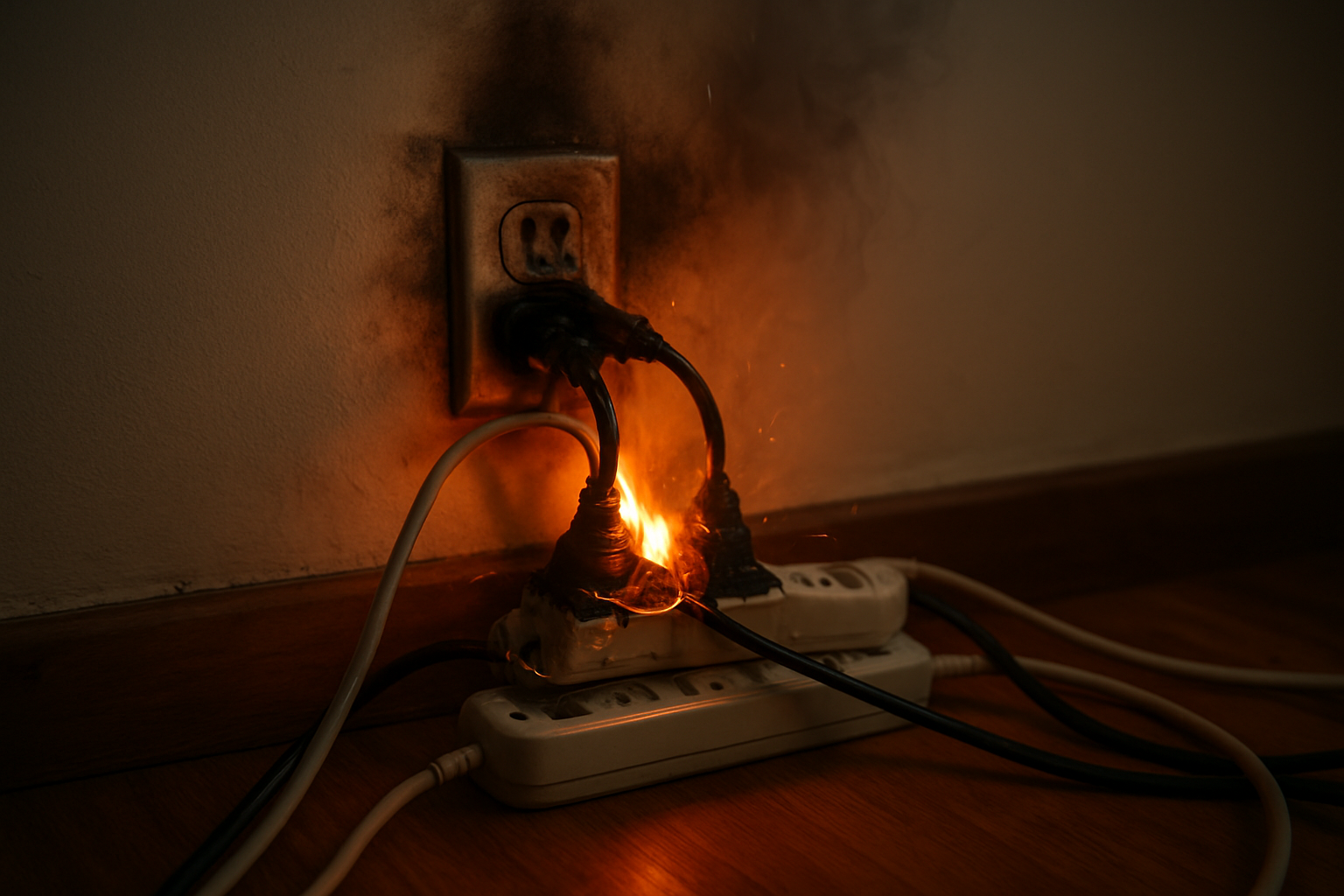
Using Extension Cords as Permanent Wiring Solutions
You’re playing with fire when you treat extension cords like permanent wiring. These temporary power solutions weren’t designed to handle constant electrical loads, and using them long-term creates serious fire hazards in your Toronto home. Extension cords generate heat when overloaded, and their thin wiring can’t safely carry the same current as proper household circuits.
When you daisy-chain multiple extension cords together or run them under carpets and rugs, you’re creating dangerous hot spots that can ignite surrounding materials. Your insurance company won’t cover fire damage caused by improper extension cord use, and Toronto Fire Services investigators will quickly identify this as negligent behavior.
Replace your reliance on extension cords with proper electrical outlets installed by licensed electricians. If you need more power sources in a room, invest in permanent solutions rather than creating potential death traps.
Ignoring Flickering Lights and Burning Smells
Your home’s electrical system sends clear warning signals before catastrophic failure occurs. Flickering lights indicate loose connections, overloaded circuits, or failing electrical components. That distinctive burning smell coming from outlets or electrical panels means dangerous arcing is already happening inside your walls.
You can’t afford to dismiss these warnings as minor annoyances. Electrical fires often start behind walls where you can’t see them, giving flames precious time to spread before detection. By the time you notice visible smoke, the fire may have already compromised your escape routes.
Document these symptoms and call a qualified electrician immediately. Take photos of flickering patterns and note when burning smells occur. This information helps professionals diagnose problems faster and prevents your family from becoming another tragic statistic.
Overloading Circuits with High-Wattage Appliances
Your electrical circuits have specific amperage limits, and exceeding these limits generates dangerous heat buildup. Running multiple high-wattage appliances on the same circuit forces your electrical system beyond safe operating parameters. Space heaters, hair dryers, microwaves, and vacuum cleaners can individually draw 10-15 amps, while most household circuits only handle 15-20 amps total.
Check your circuit breaker panel labels and calculate the total wattage you’re drawing on each circuit. Distribute high-power devices across different circuits, and avoid running multiple heat-producing appliances simultaneously. Your circuit breakers should trip before dangerous overheating occurs, but older homes may have improper breaker ratings that fail to protect adequately.
Create an appliance rotation schedule for high-wattage devices, especially during peak usage times when your electrical system faces maximum stress.
Delaying Professional Electrical Inspections
You’re gambling with your family’s safety when you postpone professional electrical inspections. Toronto’s Electrical Safety Authority recommends inspections every 5-10 years for residential properties, but many homeowners ignore this guidance until problems become obvious. By then, dangerous conditions may have existed for years.
Professional electricians identify hidden hazards like deteriorating wire insulation, improper grounding, and code violations that create fire risks. They use specialized equipment to detect problems invisible to homeowners, including thermal imaging cameras that reveal dangerous hot spots behind walls.
Schedule regular inspections before selling your home, after major renovations, or when your electrical system reaches 20+ years old. The inspection cost pales in comparison to rebuilding after a devastating electrical fire.
Installing Incompatible Electrical Components
Your electrical system requires compatible components working together safely. Mixing different manufacturers, using incorrect wire gauges, or installing modern devices in outdated electrical boxes creates dangerous mismatches that can spark fires. Old homes often have electrical panels and wiring that can’t safely support modern electrical demands.
Never install electrical components yourself unless you’re a licensed professional. DIY electrical work frequently violates building codes and creates hidden fire hazards that won’t surface until it’s too late. Your homeowner’s insurance may deny claims for fires caused by improper electrical installations.
Research licensed electrical contractors with strong reputations in Toronto, and always obtain proper permits for electrical work. Professional installation ensures your electrical components work safely together and meet current safety standards.
Poor Heating System Maintenance Causes Fatal Fires
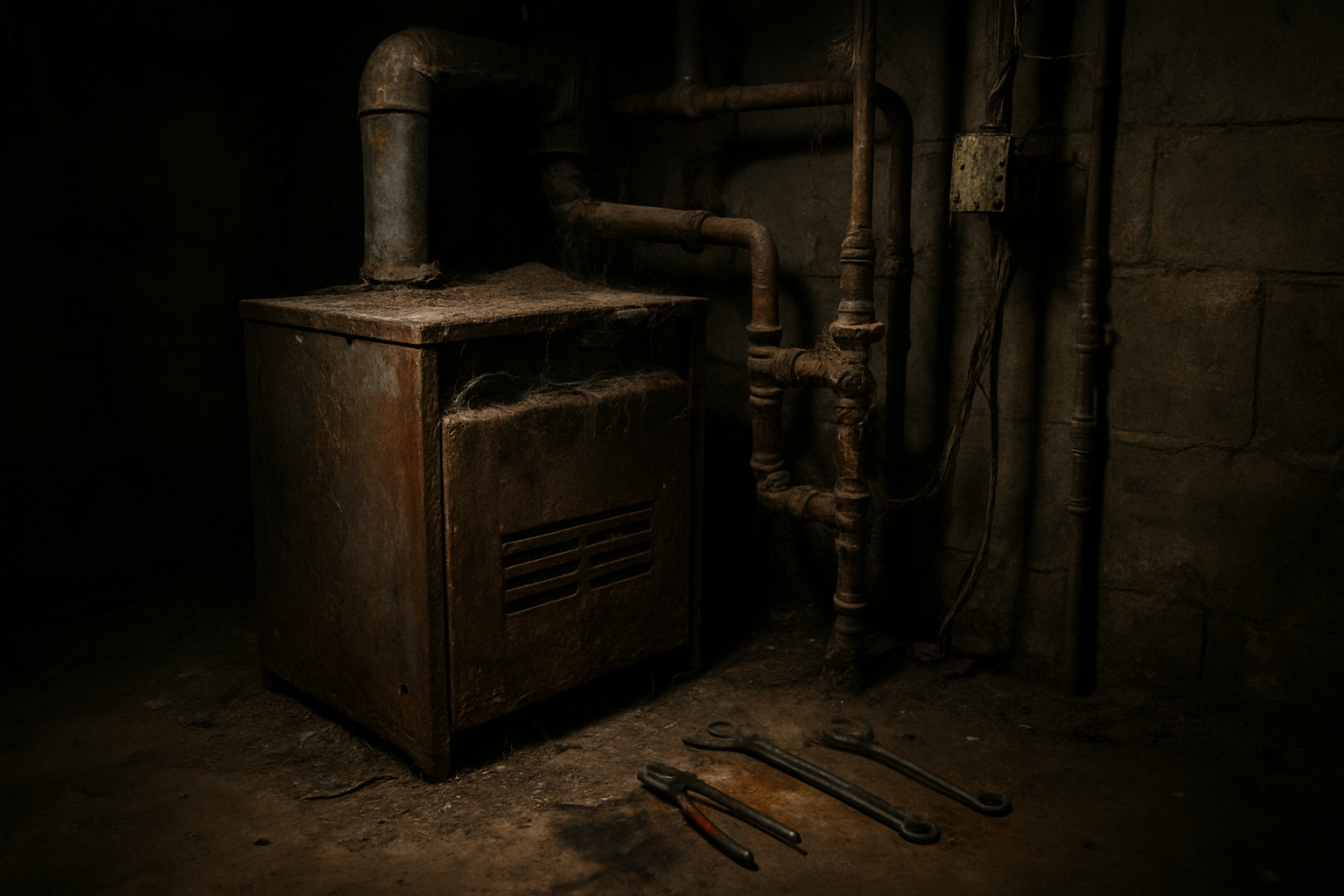
Skipping Annual Furnace Inspections
Your furnace might be a silent killer waiting in your basement. When you skip that yearly inspection, you’re rolling the dice with your family’s safety. Carbon monoxide leaks happen more often than you think, and they’re completely invisible and odorless until it’s too late.
During Toronto’s brutal winters, your heating system works overtime. Those months of heavy use create wear and tear that only trained professionals can spot. Cracked heat exchangers, loose connections, and blocked vents don’t announce themselves with warning signs. You’ll only discover these problems when they’ve already turned deadly.
Professional inspections catch problems before they become emergencies. Technicians check for gas leaks, test safety switches, and examine ventilation systems that keep dangerous gases from building up in your home. When you delay this service, you’re essentially gambling that nothing will go wrong during the coldest months when your family needs heating most.
The cost of an annual inspection pales in comparison to emergency repairs or worse – the tragic loss of life from carbon monoxide poisoning. Don’t wait until you smell gas or feel sick. Schedule your inspection before heating season begins.
Neglecting Chimney Cleaning and Repairs
Your chimney collects more than just memories from cozy fires. Creosote buildup turns your fireplace into a potential bomb waiting to explode. This highly flammable substance accumulates with every fire you burn, creating layers of combustible material that can ignite without warning.
Birds, leaves, and debris also find their way into neglected chimneys, creating blockages that force dangerous gases back into your home. These obstructions prevent proper ventilation and can cause carbon monoxide to seep into your living spaces while you sleep.
Damaged chimney liners pose another serious threat. Cracks in the liner allow heat to escape into surrounding wood structures, slowly charring the materials until they reach their ignition point. You won’t see this damage from the ground level, but it’s quietly creating fire hazards inside your walls.
Professional chimney cleaning removes creosote buildup and debris while inspections identify structural problems before they become dangerous. Annual maintenance prevents the gradual deterioration that leads to house fires and keeps your family safe from carbon monoxide exposure.
Using Space Heaters Near Combustible Materials
Space heaters demand your respect and constant attention. These devices generate intense heat that can ignite curtains, furniture, clothing, and paper in seconds. When you place them too close to combustible materials, you’re creating a fire hazard that can engulf your room faster than you can react.
The three-foot rule isn’t just a suggestion – it’s your lifeline. Keep everything at least three feet away from your space heater in all directions. This includes furniture, bedding, clothing, and decorations. Even items that seem safe can become dangerous when exposed to prolonged heat.
Never leave space heaters running when you’re asleep or away from home. These devices can malfunction, tip over, or overheat without warning. Extension cords amplify the danger by creating additional heat and potential failure points. Always plug space heaters directly into wall outlets with sufficient capacity.
Choose space heaters with automatic shut-off features that activate when the unit tips over or overheats. Place them on hard, flat surfaces where they won’t accidentally get knocked over. Your vigilance today prevents tomorrow’s tragedy.
Ignoring Fire Code Violations in Multi-Unit Buildings

Bypassing Required Fire Safety Inspections
Your building’s fire safety inspection isn’t just another bureaucratic hurdle—it’s a life-or-death requirement that many property owners dangerously ignore. When you skip or delay mandatory inspections, you’re essentially playing Russian roulette with your tenants’ lives. Toronto fire officials require these inspections for good reason: they catch problems before they become fatal disasters.
You might think you can save money by avoiding inspection fees, but this shortsighted approach often backfires spectacularly. Hidden fire hazards like faulty sprinkler systems, blocked stairwells, or compromised fire doors can remain undetected for months or years. When a fire strikes, these overlooked issues transform what should be manageable emergencies into deadly infernos.
Property managers who bypass inspections face severe legal consequences beyond the immediate safety risks. You could face criminal charges if someone dies due to violations you failed to address. Your insurance company will likely deny claims related to uninspected hazards, leaving you financially devastated. The legal liability alone should motivate you to schedule those inspections immediately.
Failing to Install Proper Fire Separation Between Units
Fire separation between units acts as your building’s immune system against spreading flames, yet countless Toronto buildings lack adequate protection. When you don’t install proper fire-rated walls, floors, and doors between apartments, you’re creating a domino effect where one small kitchen fire can quickly engulf an entire building.
Your fire separation requirements depend on your building’s construction type and occupancy classification. Most residential buildings need minimum one-hour fire ratings between units, but many older buildings fall short of current standards. You can’t assume that original construction meets today’s safety codes—fire protection standards have evolved dramatically over the decades.
Common separation failures include:
- Penetrations in fire-rated walls from utility installations that weren’t properly sealed
- Missing fire stops around pipes and electrical conduits
- Inadequate door assemblies that lack proper fire ratings
- Compromised ceiling assemblies where tenants have made unauthorized modifications
When fire spreads between units, escape time drops from minutes to seconds. Your tenants depend on these barriers to provide enough time to evacuate safely. Don’t let poor fire separation turn your building into a death trap.
Inadequate Fire Department Access to Buildings
Your building design must allow firefighters to reach every unit quickly, but many Toronto buildings create unnecessary obstacles that cost precious seconds during emergencies. When fire trucks can’t access your building properly, rescue operations become exponentially more dangerous and less effective.
Fire department access problems include narrow driveways that prevent ladder truck positioning, locked gates that delay entry, and building layouts that confuse responding crews. You need to maintain clear sight lines to your building numbers and ensure access routes remain unobstructed year-round. Snow removal becomes a life-safety issue, not just a convenience matter.
Your building’s standpipe and sprinkler connections must be easily accessible from the street. Many property owners make the mistake of landscaping around these connections or allowing tenants to block them with personal belongings. When firefighters waste time locating and accessing these systems, the fire gains strength and spreads further.
Elevator access for firefighters requires special consideration in high-rise buildings. Your elevators need proper recall systems and firefighter controls that many older buildings lack. Don’t wait for a tragedy to upgrade these critical systems.
Missing or Outdated Fire Safety Equipment
Your building’s fire safety equipment ages just like any other building system, but the consequences of equipment failure involve human lives rather than just inconvenience. Outdated sprinkler heads, expired fire extinguishers, and malfunctioning alarm systems create false security that proves deadly when needed most.
Fire extinguisher maintenance involves more than checking pressure gauges annually. You need professional inspections that verify internal components, examine discharge mechanisms, and replace aging units before they fail. Many building owners discover their extinguishers don’t work only when tenants try using them during actual fires.
Your smoke detection system requires regular updates as technology improves and building codes evolve. Older ionization detectors miss smoldering fires that newer photoelectric units catch immediately. Hardwired systems with battery backups provide more reliable protection than aging battery-only units that tenants often disable.
Emergency lighting and exit signs need regular testing and maintenance that goes beyond quick visual checks. Your emergency lighting must provide adequate illumination for evacuation routes when power fails. Exit signs need proper backup power and clear visibility from all angles. When these systems fail during emergencies, panicked tenants can’t find their way to safety in smoke-filled hallways.
Every year in Toronto, families lose loved ones to preventable fire tragedies. These seven deadly mistakes – from neglected smoke detectors to blocked exits and overloaded circuits – turn homes into death traps when seconds matter most. You don’t want to discover faulty escape planning or broken fire extinguishers when flames are already spreading through your building.
Your life depends on taking action today. Check your smoke detector batteries, clear your emergency exits, and review your fire escape plan with everyone in your home. If you’re in a multi-unit building, report code violations to authorities immediately. These simple steps take minutes but could save your family’s life when every second counts.