
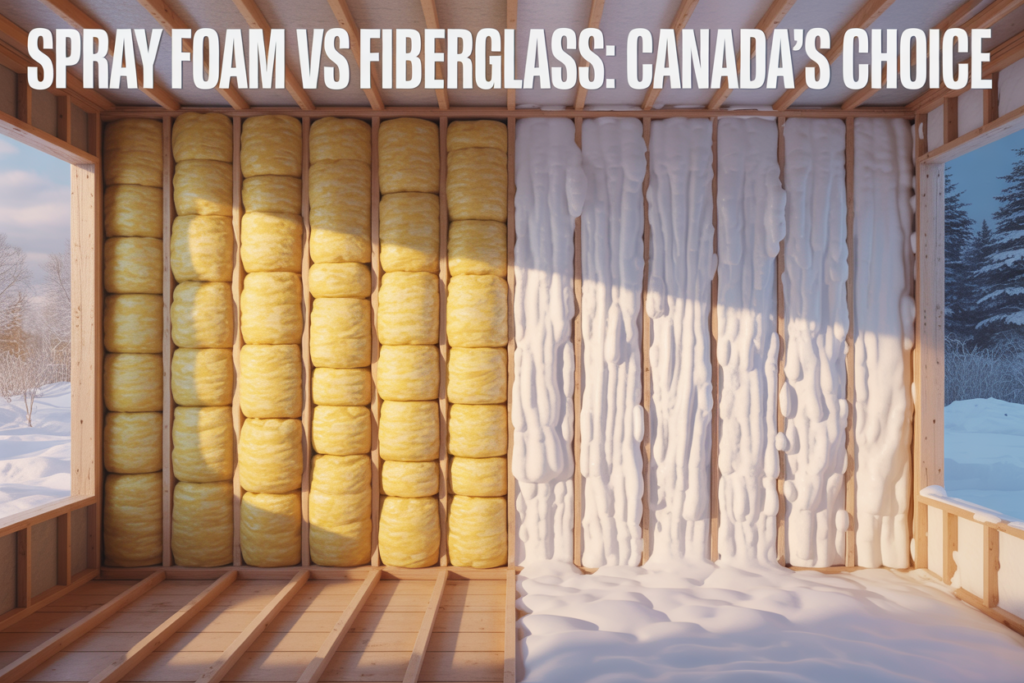
Canadian homeowners face unique challenges when choosing insulation for harsh winters and humid summers. You need insulation that works in extreme temperatures while protecting your home from moisture damage and air leaks.
This guide is for homeowners, builders, and contractors looking to make smart insulation decisions for Canadian climates. You’ll discover why closed cell spray foam outperforms fiberglass insulation in seven key areas.
We’ll cover how closed cell spray foam delivers superior thermal performance during brutal Canadian winters and creates complete air sealing that fiberglass simply can’t match. You’ll also learn about the moisture protection benefits that prevent costly structural damage and why the higher upfront cost delivers better long-term value for your investment.
Superior Thermal Performance in Extreme Canadian Winters
Higher R-value per inch provides maximum insulation efficiency
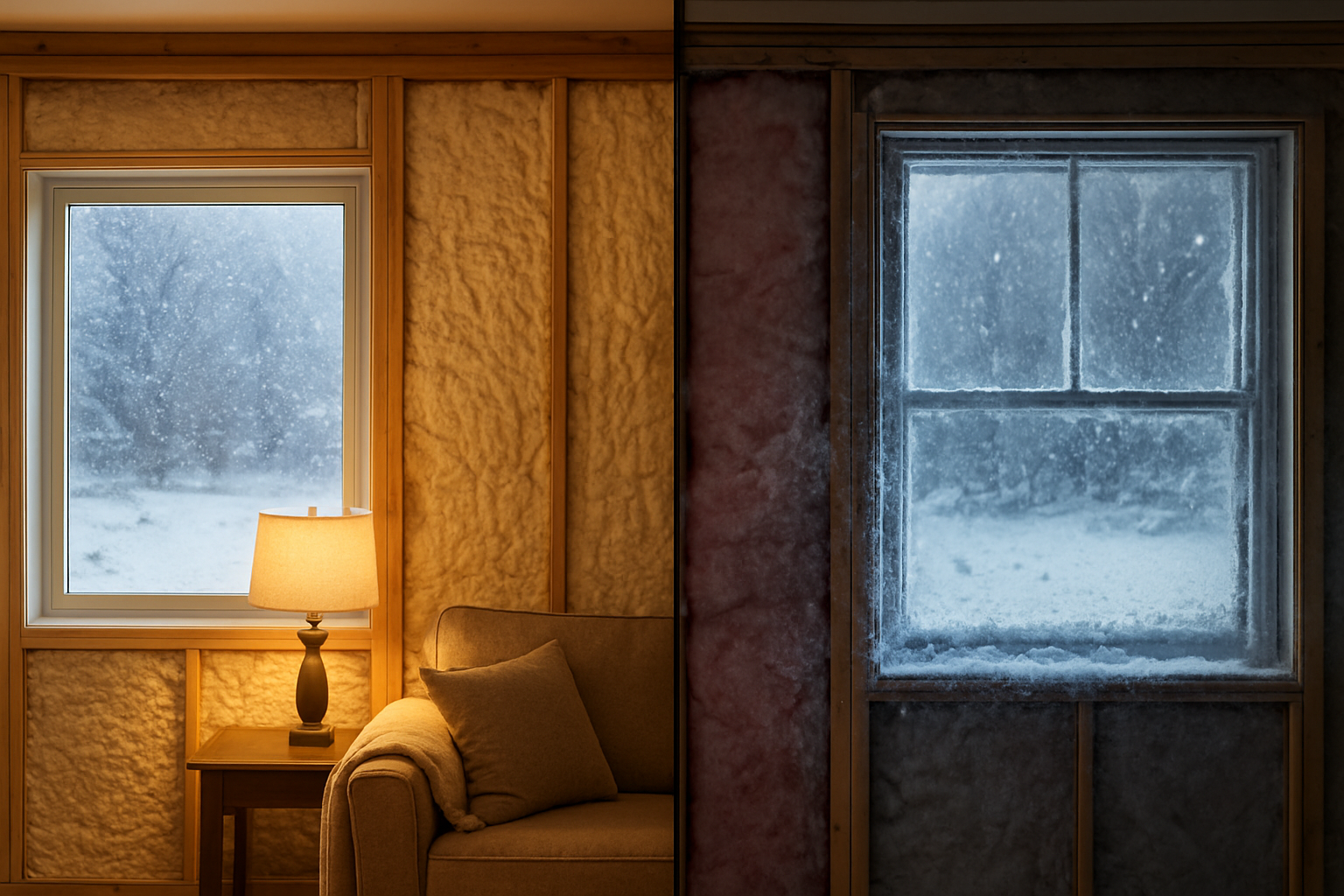
Your heating bills tell the story every winter. Closed cell spray foam delivers an R-value between 6.0 and 7.0 per inch, while fiberglass typically provides only 2.2 to 2.7 per inch. This means you get nearly three times the insulating power in the same space. When you’re dealing with limited wall cavities and need maximum thermal protection, every inch counts.
You’ll find this efficiency particularly valuable in Canadian construction where building codes demand higher R-values. A 2×6 wall filled with closed cell spray foam achieves R-35 to R-42, while the same wall with fiberglass reaches only R-19 to R-21. Your home stays warmer with less energy, and you can meet or exceed building requirements without increasing wall thickness.
Eliminates thermal bridging that plagues fiberglass installations
Thermal bridges are your energy efficiency’s worst enemy. These occur when conductive materials like wood studs create pathways for heat to bypass your insulation. Fiberglass sits between studs but can’t address the thermal bridging through the framing itself. Your walls become like a picket fence against heat loss.
Closed cell spray foam changes everything. It adheres directly to all surfaces, creating a continuous thermal barrier that covers studs, plates, and sheathing. You eliminate those cold spots where condensation forms and energy escapes. Your thermal imaging camera would show a dramatic difference – fiberglass installations appear as striped patterns showing heat loss through studs, while spray foam creates uniform temperatures across the entire wall assembly.
Maintains consistent performance in temperatures below -30°C
Canadian winters test insulation materials to their limits. Fiberglass loses effectiveness as temperatures drop because air movement within the material increases. Cold air infiltration through gaps and compression points reduces its insulating value when you need it most.
Your closed cell spray foam performs consistently regardless of temperature extremes. Its rigid structure prevents air movement within the material, and the complete air seal eliminates convective heat loss. Whether you’re facing -10°C or -40°C, you get the same thermal protection. This reliability means your heating system doesn’t work overtime during cold snaps, and your indoor comfort remains stable.
Reduces heating costs by up to 40% compared to fiberglass
Your monthly energy bills reflect the real-world performance difference. Homes insulated with closed cell spray foam typically see 30-40% reductions in heating costs compared to similar homes with fiberglass insulation. These savings compound over time, making your investment pay for itself through reduced energy consumption.
The savings come from multiple sources: higher R-value, complete air sealing, and elimination of thermal bridging. Your furnace runs less frequently and for shorter periods because your home retains heat more effectively. You’ll notice the difference immediately in your first winter, with more consistent temperatures throughout your home and lower monthly utility bills that continue year after year.
Complete Air Sealing Creates Energy-Efficient Building Envelope
Forms continuous barrier that stops air leakage at source
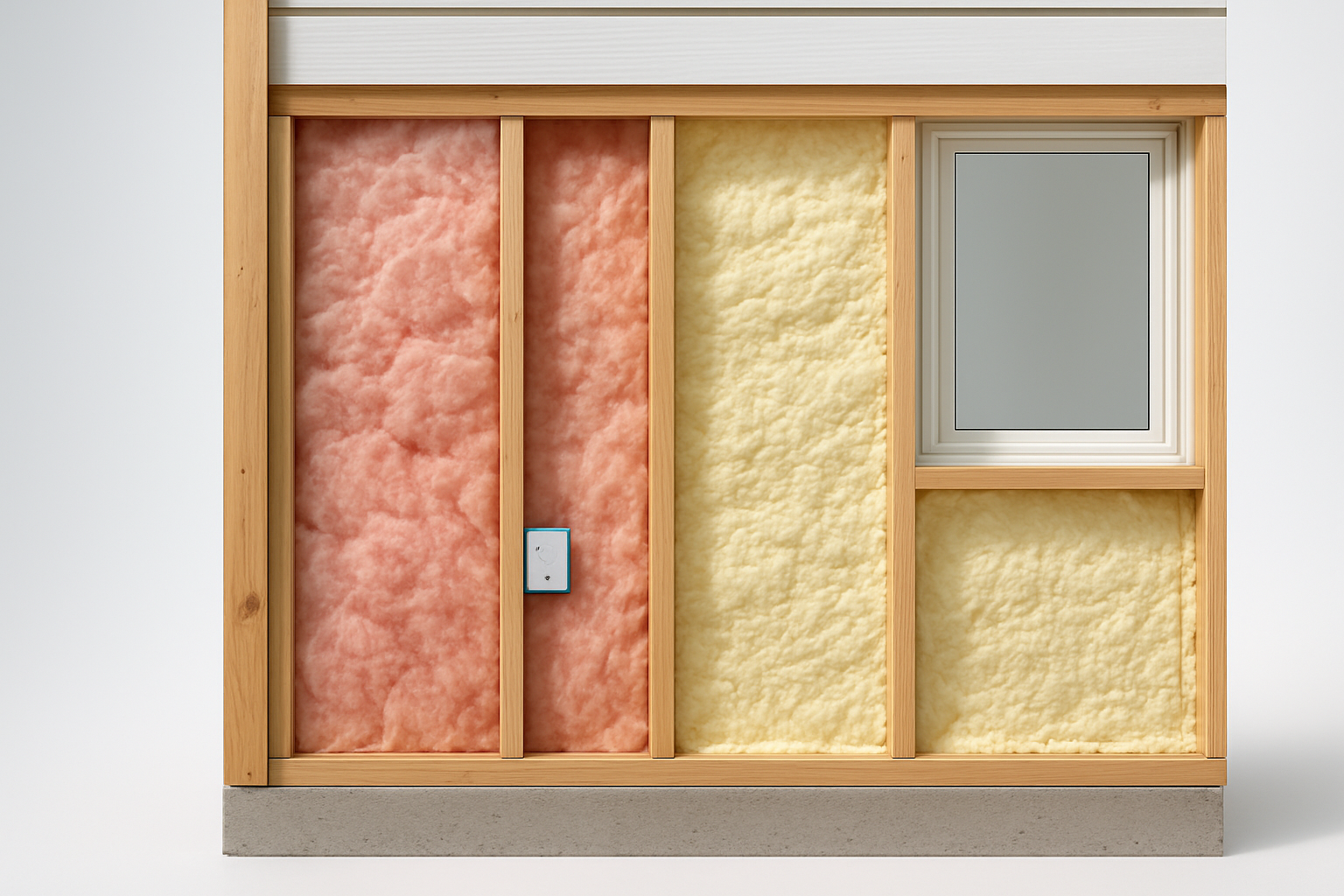
When you install fiberglass insulation in your Canadian home, you’re essentially filling cavities with fluffy material that leaves countless gaps around electrical outlets, plumbing penetrations, and framing joints. These openings become highways for air movement, turning your heating system into an expensive exercise in futility. Your heated air finds every tiny crack and escapes to the outdoors, while cold air rushes in to replace it.
Closed cell spray foam changes this dynamic completely. As it expands during application, it seeks out every gap, crack, and crevice in your building envelope. The foam bonds directly to wood, concrete, metal, and other building materials, creating an unbroken seal that air simply cannot penetrate. You’re not just adding insulation – you’re creating a monolithic barrier that transforms your home into a sealed system.
This comprehensive sealing approach addresses what building scientists call the “stack effect” – the natural tendency for warm air to rise and escape through upper levels of your home. With traditional insulation, this air movement continues unabated, but closed cell spray foam stops it at the source.
Eliminates drafts and cold spots throughout the home
Those frustrating cold spots near windows, along exterior walls, and in corners of rooms become a thing of the past when you choose closed cell spray foam. Fiberglass insulation often settles over time, leaving gaps at the top of wall cavities where cold air infiltrates. You’ve probably noticed these areas – they’re the spots where you need extra blankets or where your family avoids sitting during winter months.
Closed cell spray foam expands to fill every void completely, maintaining its shape and effectiveness for decades. You’ll notice the difference immediately:
- Consistent temperatures throughout every room in your home
- No more drafty feelings when walking past exterior walls
- Comfortable living spaces right up to windows and doors
- Even heat distribution from your HVAC system
Your home becomes a comfortable environment where every square foot feels welcoming, not just the areas near your heating vents. This consistent comfort means you can actually use all the space you’re paying for, rather than abandoning certain rooms during Canada’s harsh winter months.
Spray Foam Kings provides professional spray foam insulation services for residential and commercial properties throughout Scarborough, Toronto.
If you’re planning an insulation upgrade, explore our full range of services designed to improve energy efficiency, comfort, and moisture protection.
- Spray Foam Insulation in Forest Hill
- Attic Insulation Services
- Basement Insulation Services
- Commercial Spray Foam Insulation
- Fireproofing Services
- Waterproofing
- Attic Removal
Prevents warm air from escaping through gaps and cracks
Your heating bills reflect every cubic foot of warm air that escapes your home. With fiberglass insulation, air moves freely through the material itself – it’s designed to slow down air movement, not stop it completely. This means your furnace works overtime trying to replace the heated air that’s constantly leaking out of your building envelope.
Closed cell spray foam creates an impermeable barrier that keeps your heated air exactly where you want it – inside your living spaces. The foam’s cellular structure is completely closed, meaning air cannot pass through it under normal pressure conditions. When you combine this with the foam’s ability to seal every penetration and joint, you create a building envelope that truly contains your conditioned air.
The energy savings become apparent in your monthly utility bills, but the benefits extend beyond cost savings. Your HVAC system operates more efficiently when it’s not constantly fighting air leakage. This means:
- Longer equipment life due to reduced cycling
- More consistent indoor air quality
- Better humidity control during winter months
- Reduced strain on your heating system during extreme cold snaps
You’re essentially converting your home from a leaky container into a high-performance thermal envelope that keeps your heated air where it belongs.
Moisture Protection Prevents Costly Structural Damage
Acts as Vapor Barrier to Block Moisture Infiltration
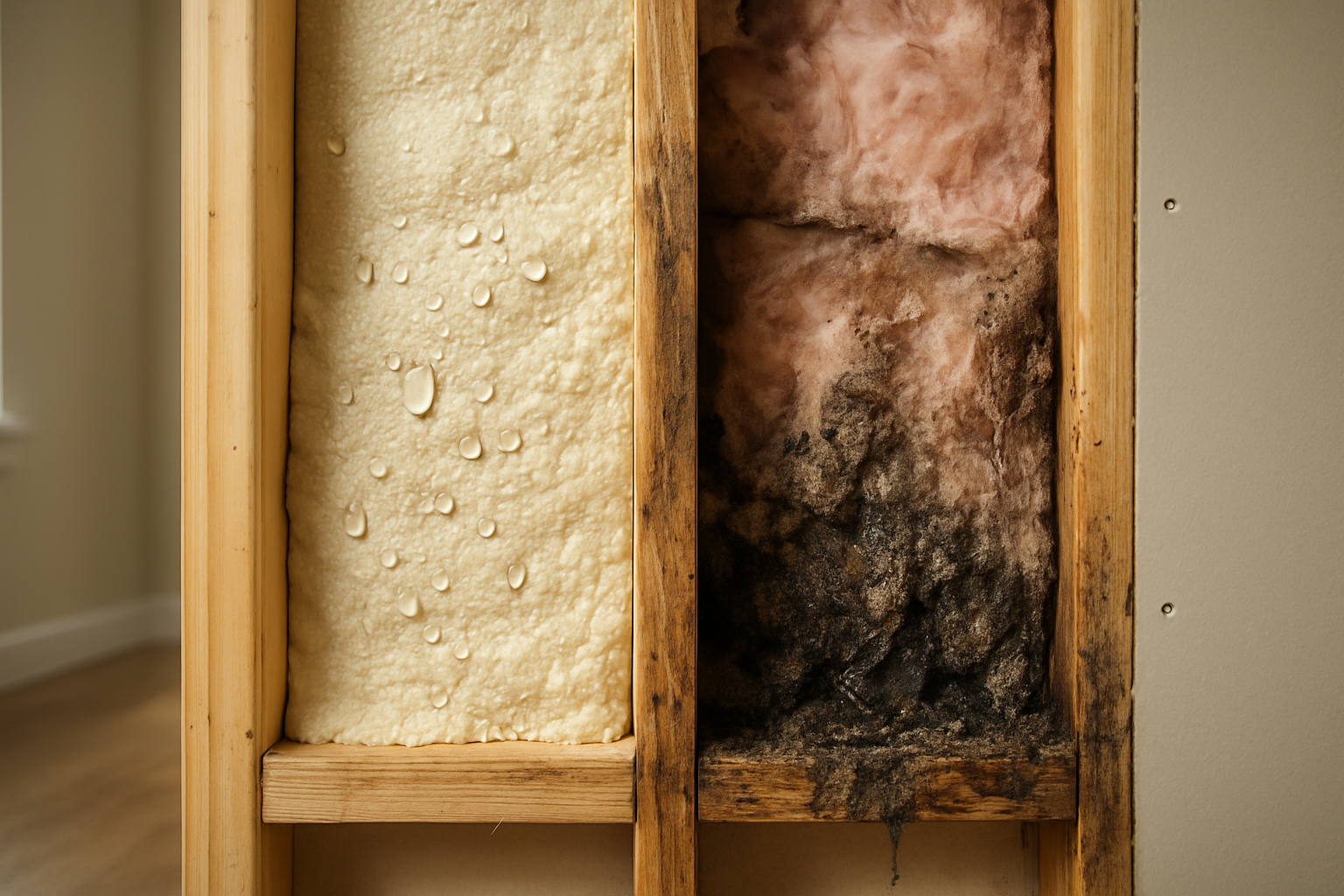
When you install closed cell spray foam in your Canadian home, you’re essentially creating an impermeable shield against moisture infiltration. Unlike fiberglass insulation, which allows water vapor to pass through its fibers, closed cell foam forms a continuous barrier that blocks moisture from entering your building envelope. Your walls become protected from the humid indoor air trying to escape during winter months, preventing that moisture from reaching cold exterior surfaces where it would condense and cause problems.
The closed cell structure means each tiny foam bubble is completely sealed, creating a material with virtually zero water absorption. You won’t have to worry about seasonal moisture fluctuations compromising your insulation’s performance like you would with fiberglass batts that can absorb and hold water.
Eliminates Condensation Problems Common with Fiberglass
Fiberglass insulation creates the perfect storm for condensation issues in your home. When warm, humid indoor air meets the cold fiberglass during Canadian winters, moisture condenses within the insulation material. You end up with wet insulation that loses its thermal properties and creates an environment ripe for problems.
Closed cell spray foam eliminates this issue entirely by preventing air movement through your wall system. Since the foam adheres directly to all surfaces and creates an airtight seal, you don’t get the temperature differentials within your walls that cause condensation. Your building envelope stays dry and performs consistently, regardless of outdoor temperatures.
Prevents Mold and Mildew Growth in Wall Cavities
Mold and mildew thrive in dark, moist environments – exactly what fiberglass insulation can create when moisture gets trapped within wall cavities. Your health and your home’s structural integrity both suffer when mold takes hold. Closed cell spray foam starves mold of the conditions it needs to grow by keeping moisture out completely.
The foam’s chemical composition is also naturally resistant to mold and mildew growth. Even if moisture somehow found its way to the foam surface, it wouldn’t support microbial growth like organic materials do. You’re protecting your family’s health while maintaining your home’s air quality for years to come.
Protects Structural Integrity from Freeze-Thaw Cycles
Canada’s harsh freeze-thaw cycles can wreak havoc on your home’s structure when moisture infiltration occurs. Water expands approximately 9% when it freezes, creating tremendous pressure that can crack foundations, damage framing, and compromise your building’s structural integrity. Closed cell spray foam prevents moisture from reaching areas where it could freeze and expand.
Your foundation walls, rim joists, and other critical structural elements stay protected from freeze damage when you eliminate moisture infiltration at the source. The foam’s rigid structure also adds to your building’s overall strength, helping it better withstand the stresses of seasonal temperature changes.
Reduces Risk of Ice Dam Formation on Canadian Roofs
Ice dams form when heat loss through your roof melts snow, which then refreezes at the eaves. This creates a cycle that can force water back under your shingles and into your home. Closed cell spray foam applied to your roof deck or attic floor creates a continuous thermal barrier that prevents the heat loss responsible for ice dam formation.
You’ll notice more consistent snow coverage on your roof throughout winter – a sign that heat isn’t escaping to melt the snow unevenly. Your gutters and roof edges stay at more consistent temperatures, dramatically reducing ice buildup that could damage your roofing system or cause interior water damage.
Enhanced Structural Strength Adds Building Value
Bonds to Framing Members Creating Composite Wall System
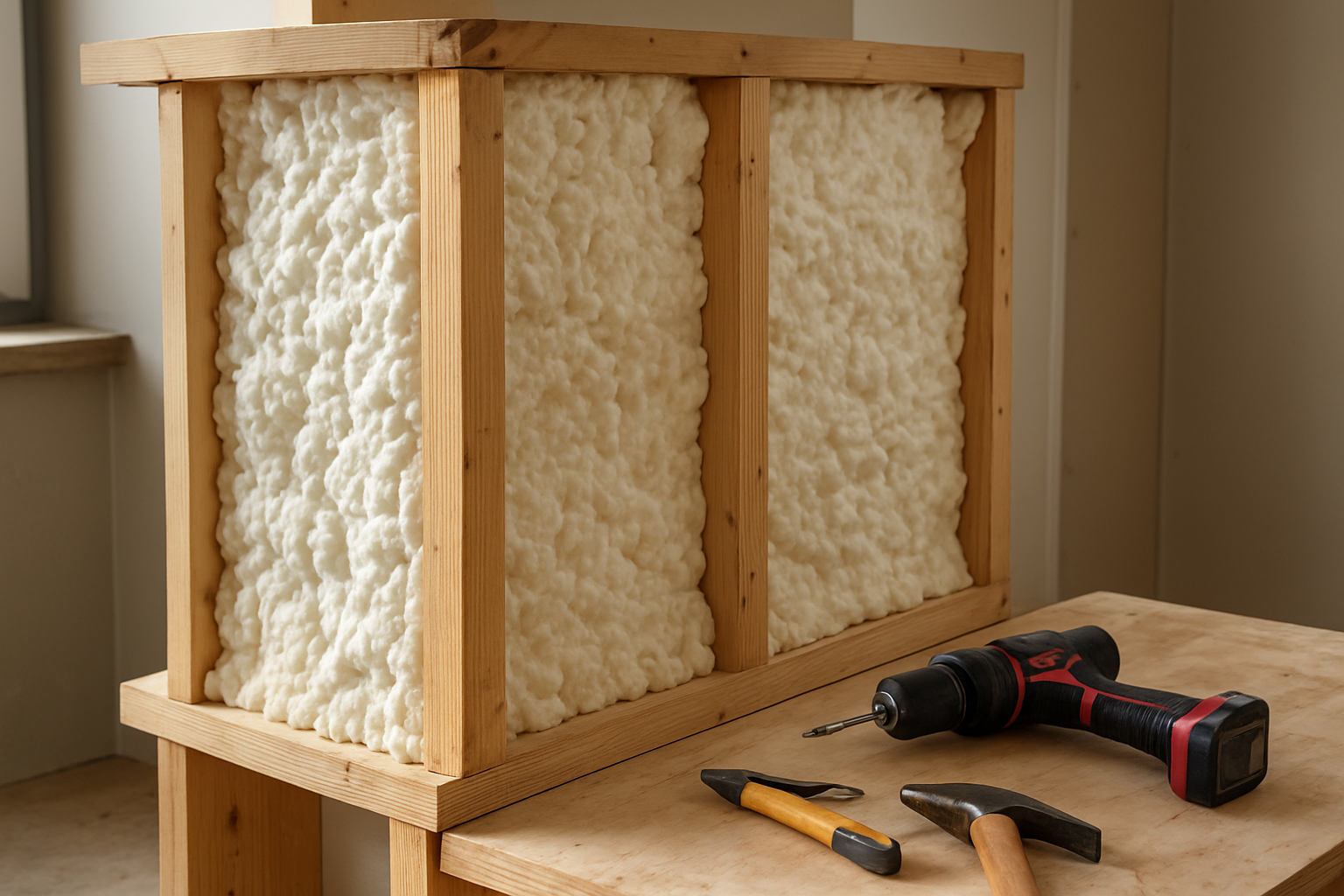
When you install closed cell spray foam, you’re not just adding insulation – you’re creating a structural upgrade that transforms your walls into a unified system. The foam chemically bonds directly to your wooden studs, creating what engineers call a composite wall system. Think of it like turning your individual wall components into one solid, integrated unit.
Your traditional fiberglass insulation simply sits between studs without any structural connection. It’s dead weight that contributes nothing to your home’s strength. Closed cell foam, on the other hand, becomes part of your wall structure itself. The foam’s rigid cellular structure locks onto every surface it touches, creating thousands of tiny anchor points that distribute loads across the entire wall assembly.
This bonding effect means your walls work together as a team rather than as separate components. When wind or other forces hit your home, the load gets distributed through the foam matrix instead of concentrating stress on individual framing members. Your walls become stronger than the sum of their parts.
Increases Racking Strength by Up to 300%
Your home’s ability to resist lateral forces – what engineers call racking strength – gets a massive boost with closed cell spray foam. Independent testing shows that walls insulated with closed cell foam can be up to 300% stronger against side-to-side movement compared to conventional fiberglass-insulated walls.
Racking strength matters more than you might think. Every time strong winds hit your house, or when the ground shifts during freeze-thaw cycles, your walls experience lateral stress. Without adequate racking strength, walls can gradually shift out of square, leading to:
- Doors and windows that stick or won’t close properly
- Cracks in drywall and exterior finishes
- Structural settling that affects your home’s integrity
- Reduced energy efficiency as gaps develop
The foam creates a continuous shear panel that prevents your wall studs from moving independently. Picture the difference between a ladder without cross-braces (easily twisted) versus one with diagonal supports (rigid and stable). That’s essentially what closed cell foam does for your walls.
Improves Resistance to High Winds and Seismic Activity
Canada’s weather throws everything at your home – from prairie windstorms to coastal hurricanes. Your closed cell foam insulation helps your house stand strong against these natural forces. The foam’s structural properties turn your walls into a continuous load path that can better handle dynamic loads from wind and ground movement.
During high wind events, your home experiences both positive pressure (wind pushing against walls) and negative pressure (wind pulling at surfaces). Traditional insulation does nothing to help your structure resist these forces. Closed cell foam creates a rigid panel effect that helps maintain your wall’s shape and position even under extreme conditions.
For seismic resistance, the foam’s ability to move slightly while maintaining its bond becomes crucial. During ground movement, your house needs to flex without breaking apart. The foam allows controlled movement while keeping wall components connected, preventing the kind of catastrophic failures that can occur when walls separate from their framing.
This enhanced structural performance isn’t just about surviving extreme events – it protects your investment every day by keeping your home square, tight, and structurally sound for decades to come.
Long-Term Durability Delivers Lifetime Performance
Maintains Insulation Properties for 50+ Years Without Settling
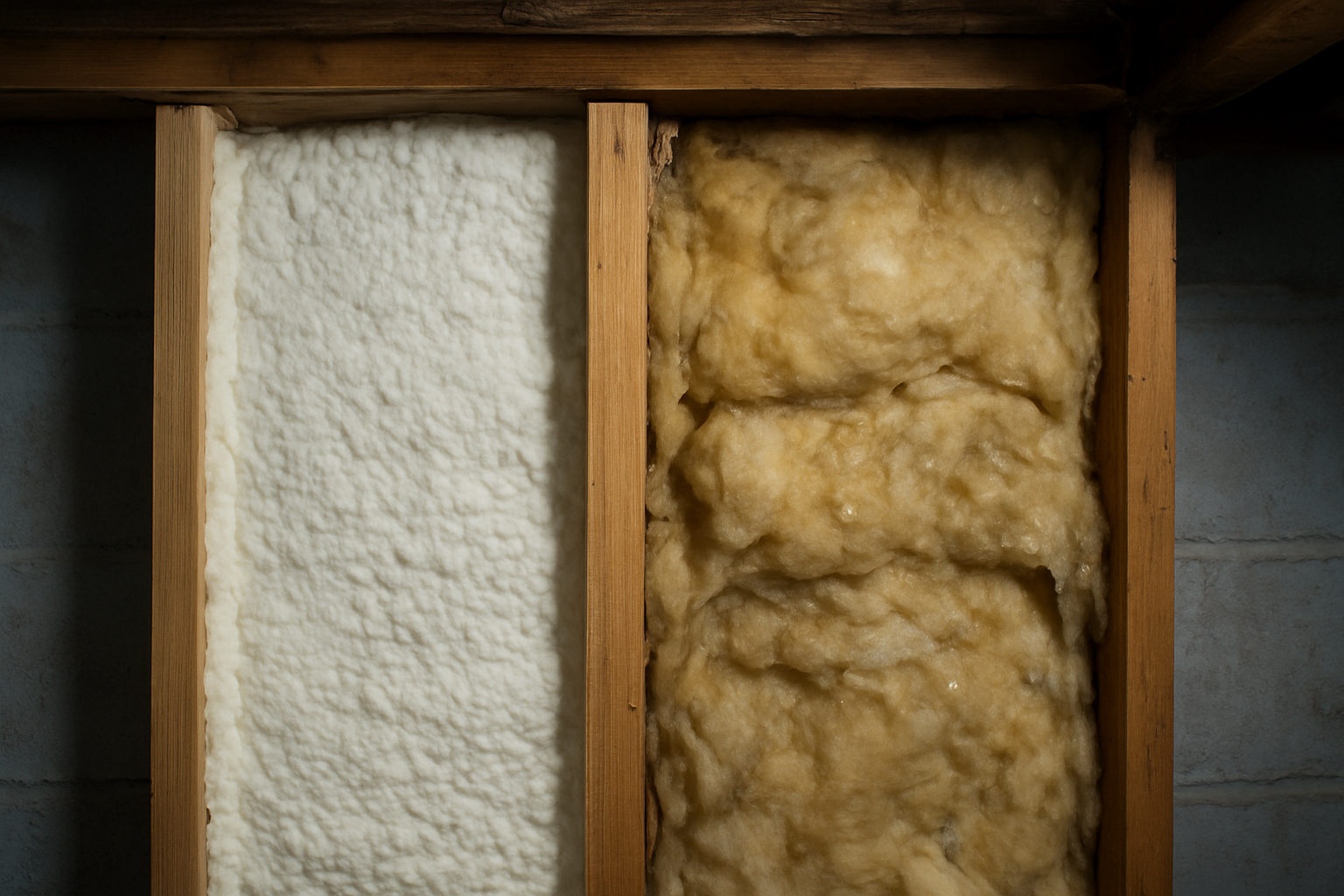
When you invest in closed cell spray foam, you’re getting insulation that stays put for the long haul. Unlike fiberglass batts that sag, compress, and lose their thermal resistance over time, closed cell foam maintains its R-value year after year. Your insulation won’t develop gaps or thin spots that let cold Canadian air sneak into your home.
Fiberglass typically loses 10-15% of its insulating power within just a few years due to settling and compression. You might notice your energy bills creeping up as those gaps appear. With closed cell foam, you won’t face this problem. The rigid cellular structure keeps its shape and thermal performance intact for decades, giving you consistent comfort and energy savings throughout your home’s lifetime.
Does Not Degrade from Moisture Exposure Like Fiberglass
Canadian winters bring ice dams, roof leaks, and humidity issues that can wreak havoc on traditional insulation. When fiberglass gets wet, it becomes a soggy mess that loses its insulating ability and takes forever to dry out. Worse yet, wet fiberglass becomes a breeding ground for mold and bacteria that can affect your indoor air quality.
Closed cell spray foam shrugs off moisture like it’s nothing. Its impermeable structure means water can’t penetrate and compromise the material. Even if you experience a roof leak or plumbing issue, your foam insulation continues working while the moisture evaporates or gets cleaned up. You won’t need to replace soggy batts or worry about hidden mold growing in your walls.
Resists Rodent Damage and Pest Infiltration
Mice, squirrels, and other critters love making cozy nests in fluffy fiberglass insulation. They tunnel through batts, creating highways for air leakage while contaminating your insulation with droppings and urine. You end up with compromised thermal performance and potential health hazards.
Your closed cell foam installation creates an impenetrable barrier that rodents can’t chew through or nest in. The dense, hard surface gives pests nowhere to hide or create entry points. You’ll save money on pest control and avoid the hassle of replacing damaged insulation. This protection becomes especially valuable in rural Canadian properties where wildlife encounters are common.
Requires Zero Maintenance Once Properly Installed
After your closed cell foam cures, you can forget about it. There’s no fluffing, replacing, or monitoring required. You won’t spend weekends crawling through your attic to check for problems or call contractors for maintenance visits.
Compare this to fiberglass, which needs periodic inspection for settling, moisture damage, or pest intrusion. You might find yourself replacing sections every few years or dealing with decreased performance that affects your comfort and energy costs. With closed cell foam, your initial investment keeps paying dividends without any additional effort or expense on your part. Learn the true cost in Spray Foam Insulation in Toronto Canada
Faster Installation Reduces Labor Costs
Single application creates insulation and air barrier simultaneously
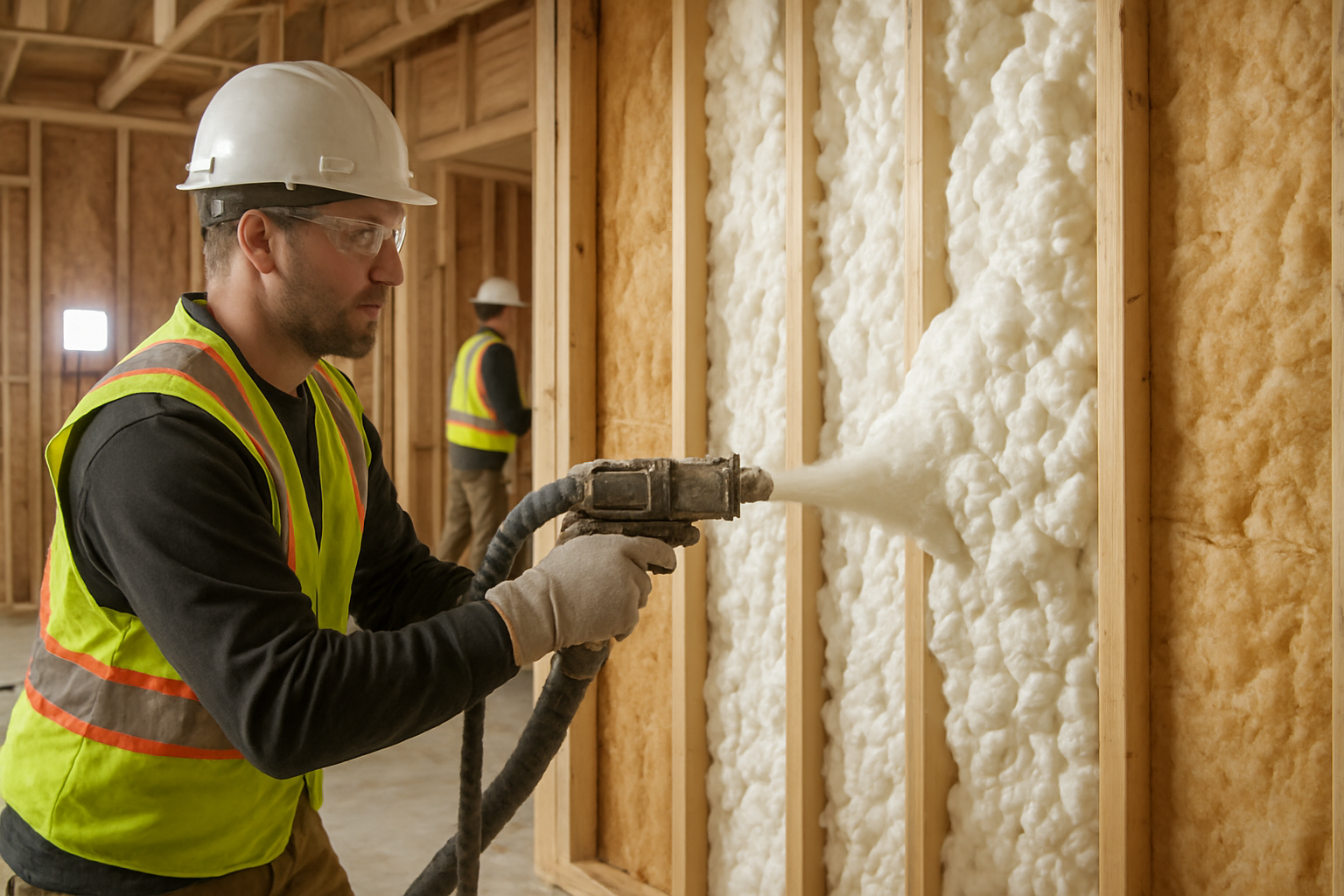
When you choose closed cell spray foam, you’re getting a two-for-one deal that traditional insulation simply can’t match. Instead of installing separate materials for insulation and air sealing, the foam does both jobs at once. Your contractors spray the foam directly onto your walls, attic, or crawl space, and it immediately expands to fill every crack, gap, and crevice while providing excellent thermal resistance.
This dual functionality saves you significant time during construction. With fiberglass insulation, your crew needs to install the batts first, then come back with caulk, weatherstripping, and other materials to seal air leaks. That’s two separate processes requiring different tools, materials, and sometimes even different trade specialists. Closed cell foam eliminates this back-and-forth approach, allowing your project to move forward more efficiently.
The precision of spray foam application means you get consistent coverage without the gaps and compression issues common with fiberglass batts. Your installers can reach tight spaces, odd angles, and irregular surfaces that would be challenging or impossible to seal properly with traditional materials.
Eliminates need for separate vapor barrier installation
Your closed cell spray foam acts as its own vapor barrier, which cuts out another entire step from your construction process. Building codes in most Canadian provinces require vapor barriers to control moisture movement through walls, but when you use closed cell foam, you’ve already satisfied this requirement.
Traditional fiberglass insulation requires you to install plastic sheeting or foil-faced vapor barriers after the insulation goes in. This means your crew needs to carefully measure, cut, and staple vapor barrier material over every insulated surface. They also need to tape all seams and seal around electrical boxes, pipes, and other penetrations. Miss a spot, and you’ve got potential moisture problems down the road.
Closed cell foam’s low permeability rating means moisture vapor can’t pass through it easily, giving you the vapor control you need without the extra material and labor. You won’t need to purchase vapor barrier materials, and your installers won’t spend hours getting the barrier placement just right. This streamlined approach reduces both material costs and the chance of installation errors that could compromise your home’s moisture protection.
Reduces construction timeline by 2-3 days per project
Time is money in construction, and closed cell spray foam can shave 2-3 days off your typical insulation schedule. When you factor in the elimination of separate air sealing and vapor barrier installation, plus the speed of spray application itself, the time savings add up quickly.
A typical spray foam installation for an average Canadian home takes just one or two days, depending on the size and complexity of your project. Compare that to fiberglass installation, which might take a day for the insulation itself, another day for air sealing work, and additional time for vapor barrier installation. Weather delays that affect fiberglass handling don’t impact spray foam the same way, since the foam cures quickly and isn’t affected by humidity like some traditional materials.
Your faster timeline means lower labor costs, earlier occupancy dates, and reduced exposure to weather-related delays. For custom homes or renovations, this speed advantage can help you meet tight deadlines or move into your home sooner than planned. The efficiency gains become even more significant on larger projects where the time savings multiply across multiple rooms or floors.
Superior Return on Investment for Canadian Homeowners

Qualifies for federal and provincial energy efficiency rebates
Your closed cell spray foam investment becomes even more attractive when you tap into the generous rebate programs available across Canada. The federal Canada Greener Homes Grant offers up to $5,000 for energy efficiency improvements, with spray foam insulation qualifying as an eligible upgrade. You’ll also find provincial programs that stack on top of federal incentives – Ontario’s CleanBC Better Homes program, Alberta’s Residential Energy Efficiency Program, and Quebec’s Éco-rénovation program all recognize spray foam as a premium insulation solution worthy of financial support.
To maximize your rebates, you’ll need to work with certified energy advisors who conduct pre- and post-renovation assessments. These evaluations document your home’s energy performance improvements, directly linking your spray foam installation to measurable energy savings. Many installers partner with these advisors to streamline the process, handling the paperwork while you focus on enjoying your newly insulated home.
The rebate application process typically takes 8-12 weeks, but the wait pays off when you receive checks that can cover 20-40% of your total project costs. Your timing matters too – these programs have annual funding limits, so early applications often receive faster processing and full rebate amounts.
Increases home resale value through improved energy ratings
Your home’s EnerGuide rating becomes a powerful selling tool when you upgrade to closed cell spray foam. Canadian homebuyers increasingly prioritize energy efficiency, with studies showing that homes with superior insulation ratings sell 10-15% faster than comparable properties with standard fiberglass insulation. Your spray foam investment translates directly into higher market value through improved energy performance scores.
Real estate professionals report that energy-efficient homes command premium prices in today’s market. Your spray foam installation creates measurable improvements in air tightness, thermal performance, and overall building envelope integrity – all factors that certified energy evaluators include in official home energy ratings. These ratings appear on listing sheets and influence buyer decisions before they even schedule viewings.
You’ll also benefit from the growing trend of energy-conscious homebuying. Young families and environmentally aware buyers specifically search for homes with premium insulation systems. Your spray foam investment becomes a key differentiator that justifies higher asking prices and generates multiple offers in competitive markets.
Pays for itself through energy savings within 5-7 years
Your monthly energy bills drop dramatically after spray foam installation, creating immediate cash flow that accelerates payback periods. Canadian homeowners typically see 30-50% reductions in heating and cooling costs, with the most significant savings occurring during harsh winter months when your heating system works hardest. These consistent monthly savings compound over time, offsetting your initial investment faster than any other home improvement project.
Your payback calculation becomes even more favorable when you factor in rising energy costs. Natural gas and electricity rates continue climbing across Canada, making your locked-in efficiency gains more valuable each year. A spray foam system that saves you $150 monthly today might save $200 monthly within five years as utility rates increase.
The math works in your favor regardless of your home’s age or size. Older homes with poor existing insulation see the fastest payback periods, often recovering costs within 4-5 years. Newer homes still benefit significantly, with payback periods extending to 6-7 years but delivering decades of continued savings afterward. Your spray foam investment essentially becomes a guaranteed savings account that pays dividends for the life of your home.
Your home deserves the best insulation available, especially when facing Canada’s harsh winters. Closed cell spray foam delivers superior thermal performance, complete air sealing, and moisture protection that fiberglass simply can’t match. You’ll see enhanced structural strength, long-term durability, and faster installation times that reduce your overall costs. These benefits work together to create an energy-efficient building envelope that protects your investment year after year.
The numbers speak for themselves when it comes to return on investment. You’re not just buying insulation – you’re investing in your home’s future performance and value. Make the switch to closed cell spray foam and experience the difference that complete protection makes for your Canadian home.