Your Toronto basement shouldn’t feel like a different climate zone from the rest of your home, but many homeowners ignore the warning signs until energy bills spiral out of control. If you’re a
Toronto homeowner dealing with an uncomfortable basement, high heating costs, or moisture problems,
spray foam insulation might be the solution you need.
Basements often reveal insulation problems first, especially during Toronto’s harsh winters and humid summers. You might notice your basement stays freezing while your main floor overheats, or you’re cranking up the thermostat just to keep the whole house comfortable.
We’ll walk you through the seven key warning signs that your
basement needs spray foam insulation now. You’ll learn how to spot temperature inconsistencies that signal poor insulation, recognize moisture and humidity problems that spray foam can fix, and understand why your rising energy bills might trace back to your basement. We’ll also help you assess the long-term impact on your home’s value and calculate whether immediate action makes financial sense for your situation.
Recognize Temperature Inconsistencies Throughout Your Basement

Cold spots near foundation walls indicate poor insulation
You’ve probably noticed those chilly areas along your basement walls that never seem to warm up, even when your furnace is running at full blast. These cold spots aren’t just uncomfortable – they’re telling you exactly where your insulation is failing. When you run your hand along the foundation walls during winter months, you’ll feel noticeable temperature differences that reveal weak points in your thermal barrier.
Your concrete foundation acts like a giant heat sink, constantly drawing warmth from your living space and transferring it directly to the frozen Toronto ground outside. Without proper
spray foam insulation creating an effective barrier, you’re essentially heating the outdoors while your basement remains uncomfortably cold. These temperature variations become especially pronounced near corners, where two foundation walls meet, and around any penetrations like pipes or electrical conduits.
You might find yourself avoiding certain areas of your basement simply because they feel too cold to spend time there comfortably. This inconsistent temperature distribution makes it impossible to use your basement as functional living space, whether you’re planning a home office, family room, or storage area that needs climate control.
Uneven heating costs increase during Toronto winters
Your heating bills during Toronto’s harsh winters tell the real story of your basement’s insulation problems. When your basement lacks proper spray foam insulation, your heating system works overtime trying to maintain consistent temperatures throughout your home. You’ll notice your furnace cycling on and off more frequently, struggling to keep up with the constant heat loss through your foundation walls.
The temperature differential between your main floors and basement forces your HVAC system into an endless battle against thermal bridging. Cold basement air naturally rises through your home’s structure, creating drafts that make your upper floors feel chilly despite adequate heating. Your thermostat responds by calling for more heat, but without addressing the root cause in your basement, you’re simply throwing money away on energy costs.
You can track this pattern by comparing your winter heating bills to similar homes in your neighborhood. If your costs consistently run 15-25% higher than comparable properties, your basement insulation is likely the culprit. The financial impact compounds over multiple heating seasons, making immediate action a smart investment rather than an optional upgrade.
Drafty areas make basement unusable for living spaces
Walking through your basement, you can literally feel air movement in certain areas – cool drafts that make the space uncomfortable and impractical for regular use. These air currents occur when outside air infiltrates through gaps and cracks in your foundation, mixing with your conditioned indoor air and creating uncomfortable convection patterns.
You’ll especially notice these drafts near basement windows, around the rim joist area where your foundation meets your floor framing, and along any foundation wall cracks. The constant air movement not only makes the space feel colder than it actually is but also carries moisture and outdoor contaminants into your living environment.
If you’re considering finishing your basement or creating additional living space, these drafty conditions make the area unsuitable for comfortable occupancy. You can’t install carpet, drywall, or furniture in areas where air infiltration creates ongoing moisture and temperature control issues. Your family members will naturally avoid spending time in these uncomfortable zones, rendering valuable square footage essentially useless for your household’s daily activities.
Identify Moisture and Humidity Problems
Condensation Buildup on Walls and Pipes Signals Air Leakage
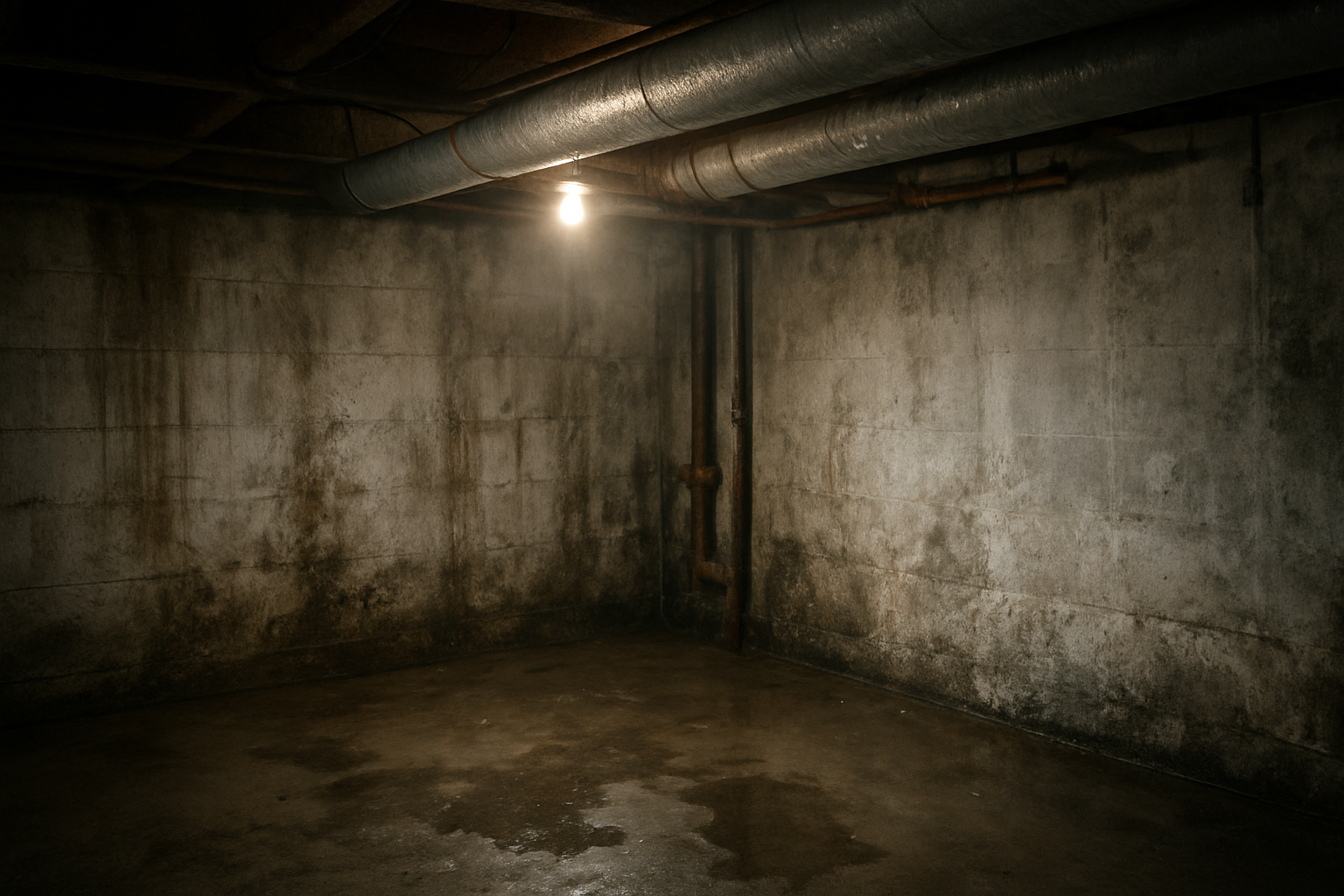
When you notice water droplets forming on your basement walls, windows, or exposed pipes, you’re witnessing a clear sign that your insulation isn’t doing its job. This condensation happens when warm, humid air from your living spaces meets the cold surfaces in your basement. Without proper spray foam insulation creating an effective air barrier, outside air constantly infiltrates your basement through tiny cracks and gaps you can’t even see.
You’ll typically spot this moisture buildup during temperature transitions – those chilly spring mornings or the first cold snaps of fall. The condensation might appear as small water beads on metal pipes, dampness along foundation walls, or even frost formation during winter months. Your basement’s concrete walls and floor stay naturally cool, and when warm indoor air reaches these surfaces, the moisture in that air turns to water instantly.
This ongoing cycle creates the perfect environment for bigger problems down the road. You’re essentially watching your basement become a breeding ground for mold and mildew every time you see those water droplets form.
Musty Odors Develop from Trapped Moisture
That distinctive basement smell isn’t just unpleasant – it’s your nose detecting the early stages of moisture damage. When humidity gets trapped in your basement due to inadequate insulation, it creates stagnant air pockets where organic materials start breaking down. You might notice this smell strongest near stored cardboard boxes, wooden furniture, or fabric items you keep downstairs.
The odor intensifies during humid summer months when your basement becomes a moisture trap. Without spray foam insulation to control air movement and humidity levels, you’re basically creating a closed environment where dampness has nowhere to go. Even if you can’t see visible mold growth yet, those musty smells tell you that microbial activity is already happening behind walls, under flooring, or in hidden corners.
Your guests probably notice this smell the moment they walk downstairs, even if you’ve become accustomed to it. This isn’t just about comfort – these odors often indicate that moisture is affecting your stored belongings, holiday decorations, and anything else you keep in your basement.
High Humidity Levels Promote Mold Growth
When your basement consistently feels sticky or clammy, you’re dealing with humidity levels that create ideal conditions for mold and mildew. Proper spray foam insulation acts as both an air barrier and moisture control system, but without it, your basement becomes a perfect storm for fungal growth.
You can measure this yourself with a simple hygrometer – if your basement humidity stays above 50% regularly, you’re in the danger zone. During Toronto’s humid summers, poorly insulated basements often reach 70-80% humidity levels, which means mold spores can germinate and spread rapidly.
Look for these warning signs that high humidity is already causing problems:
- Dark spots appearing on drywall or ceiling tiles
- Peeling paint or wallpaper
- Warped wood furniture or flooring
- White, chalky deposits on concrete walls (efflorescence)
- Increased allergy symptoms when spending time downstairs
Water Damage Risk Increases Without Proper Vapor Barriers
Your basement faces constant pressure from moisture trying to move through your foundation walls. Without spray foam insulation acting as an effective vapor barrier, you’re essentially letting moisture infiltrate your home’s structure 24/7. This creates cumulative damage that gets worse every season.
During Toronto’s freeze-thaw cycles, this moisture penetration becomes especially destructive. Water that seeps into tiny cracks expands when it freezes, making those cracks larger each winter. You might notice:
- Hairline cracks in foundation walls growing larger
- White mineral deposits on basement walls
- Paint or coating peeling off concrete surfaces
- Rust forming on metal fixtures or storage items
- Gradual deterioration of stored belongings
The financial impact hits you in multiple ways. Your stored items get damaged, your foundation requires costly repairs, and your home’s overall structural integrity weakens over time. Insurance companies often don’t cover this type of gradual moisture damage, leaving you responsible for expensive remediation work that could have been prevented with
proper insulation and waterproofing.
Notice Increased Energy Bills and HVAC Strain

Heating System Runs Constantly to Maintain Temperature
You’ve probably noticed your furnace kicking on more frequently than usual, especially during Toronto’s harsh winter months. When your basement lacks proper insulation, your heating system becomes locked in a constant battle against cold air infiltration and heat loss through foundation walls. Your furnace works overtime trying to compensate for the thermal bridge created by uninsulated concrete or block walls that act like giant heat sinks, continuously drawing warmth from your living spaces.
This relentless cycling isn’t just annoying—it’s a clear indicator that conditioned air is escaping through gaps and cracks in your basement envelope. Without spray foam insulation creating an effective air barrier, your heating system can’t achieve the thermostat settings you’ve programmed, leading to longer run times and reduced efficiency. You’ll find yourself constantly adjusting the temperature, only to have the system struggle to maintain comfortable conditions throughout your home.
Monthly Utility Costs Spike During Cold Months
Your natural gas or electricity bills tell a story of energy waste that becomes impossible to ignore during Toronto’s coldest months. When your basement isn’t properly insulated, you’re essentially heating the outdoors through thermal bridging and air leakage. Energy costs can increase by 25-40% compared to a well-insulated home, with the basement contributing significantly to this inefficiency.
You might notice dramatic differences in your utility bills between mild and severe weather periods. During polar vortex events common in Toronto winters, poorly insulated basements become energy black holes that drain your wallet month after month. The financial impact compounds over time, making what seems like manageable monthly increases add up to thousands of dollars annually in wasted energy costs.
HVAC Equipment Works Harder Leading to Premature Failure
Your heating and cooling equipment wasn’t designed to operate under the constant strain that poor basement insulation creates. When your HVAC system runs continuously without achieving desired temperatures, components experience accelerated wear that significantly shortens their lifespan. Blower motors, heat exchangers, and compressors all suffer from the extended duty cycles required to compensate for basement heat loss.
You’re looking at potential equipment failures years before their expected service life, often during the most inconvenient times when repair technicians charge premium rates. The constant cycling also reduces overall system efficiency, creating a cascading effect where your equipment works harder while delivering less comfort. Professional HVAC technicians can often trace premature system failures back to inadequate building envelope performance, with basements being primary culprits in energy-efficient home design.
Detect Air Quality Issues and Comfort Problems
Poor Ventilation Creates Stale Basement Air
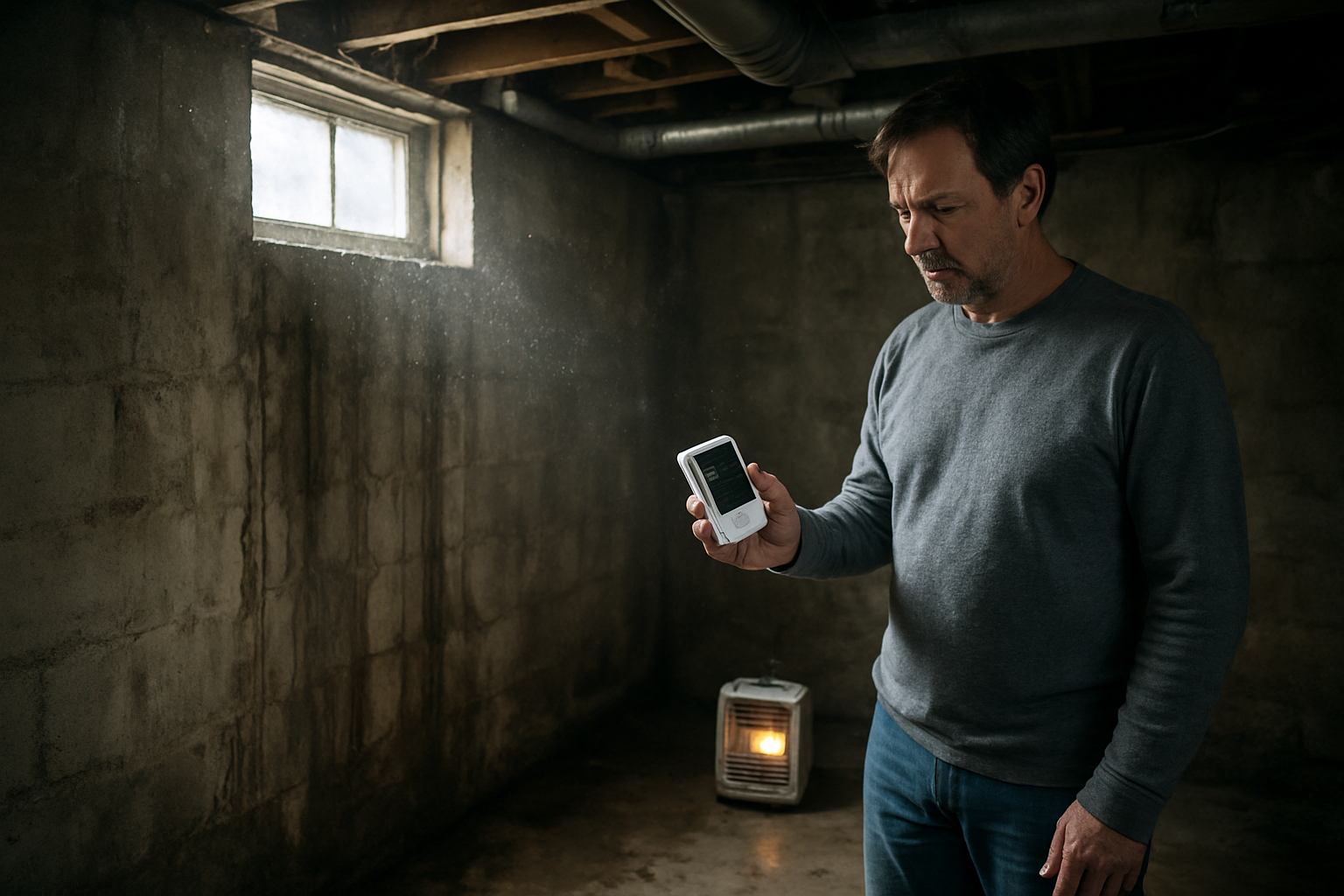
Your basement air tells a story, and if it smells musty or feels heavy when you walk downstairs, you’re dealing with poor ventilation. Without proper insulation, your basement becomes a pocket of stagnant air that can’t circulate effectively with the rest of your home. You’ll notice this dead air phenomenon especially during Toronto’s humid summers when moisture gets trapped and has nowhere to go.
The air in your basement should feel fresh and breathable, just like any other room in your house. When you find yourself holding your breath or feeling like you need to “get some air” after spending time downstairs, that’s your basement crying out for spray foam insulation. This dead air problem gets worse over time, creating an environment where odors linger and freshness becomes a distant memory.
Allergens Accumulate More Easily in Uninsulated Spaces
Your uninsulated basement acts like a magnet for allergens. Dust mites thrive in the temperature fluctuations and humidity levels that plague poorly insulated spaces. You’ll find yourself sneezing more often when you venture downstairs, and family members with allergies will notice their symptoms flare up after spending time in the basement.
Mold spores love the inconsistent temperatures and moisture levels in uninsulated basements. These microscopic troublemakers float through your basement air, eventually making their way upstairs through natural air circulation. You might not see visible mold, but your nose and lungs will tell you something’s not right.
Pet dander and pollen also settle more readily in poorly ventilated basement spaces. Without proper insulation creating consistent air flow patterns, these particles just sit there, building up over months and years. Your basement becomes an allergen warehouse that affects your entire home’s air quality.
Family Members Experience Respiratory Discomfort
You’ll start noticing family members avoiding the basement altogether. Kids might complain about feeling “stuffy” or getting headaches when they play downstairs. Adults working in basement offices or workshops find themselves taking more breaks to go upstairs for fresh air.
The respiratory discomfort goes beyond just feeling stuffy. You might experience:
- Scratchy throats after spending time in the basement
- Increased coughing, especially at night
- Worsening asthma symptoms for family members who have it
- General fatigue after working in basement spaces
- Headaches that seem to coincide with basement activities
Your body is trying to tell you something important. When multiple family members start avoiding the basement or complaining about how they feel down there, it’s time to seriously consider spray foam insulation.
Basement Becomes Uninhabitable During Extreme Weather
Toronto’s weather extremes turn your uninsulated basement into a no-go zone. During those brutal January cold snaps, your basement feels like an ice cave that no amount of space heating can warm up. You’ll find yourself layering up just to grab something from storage or do laundry.
Summer brings the opposite problem. Your basement becomes a swamp-like environment where the air feels thick and oppressive. You can’t escape the humidity, and even running a dehumidifier feels like fighting a losing battle. The temperature swings make it impossible to use your basement as livable space when you need it most.
These extreme conditions don’t just make your basement uncomfortable – they make it unusable. You end up losing valuable square footage in your home precisely when you need it most. During heat waves, your basement should be a cool retreat. During cold snaps, it should be a warm, cozy extension of your living space.
| Weather Condition |
Basement Problem |
Impact on Family |
| Winter Cold |
Ice-cave temperatures |
Unusable storage/recreation space |
| Summer Heat |
Swamp-like humidity |
No cool retreat available |
| Spring Thaw |
Condensation buildup |
Mold risk increases |
| Fall Moisture |
Trapped dampness |
Air quality deteriorates |
Spot Structural Warning Signs
Foundation walls feel cold to touch year-round
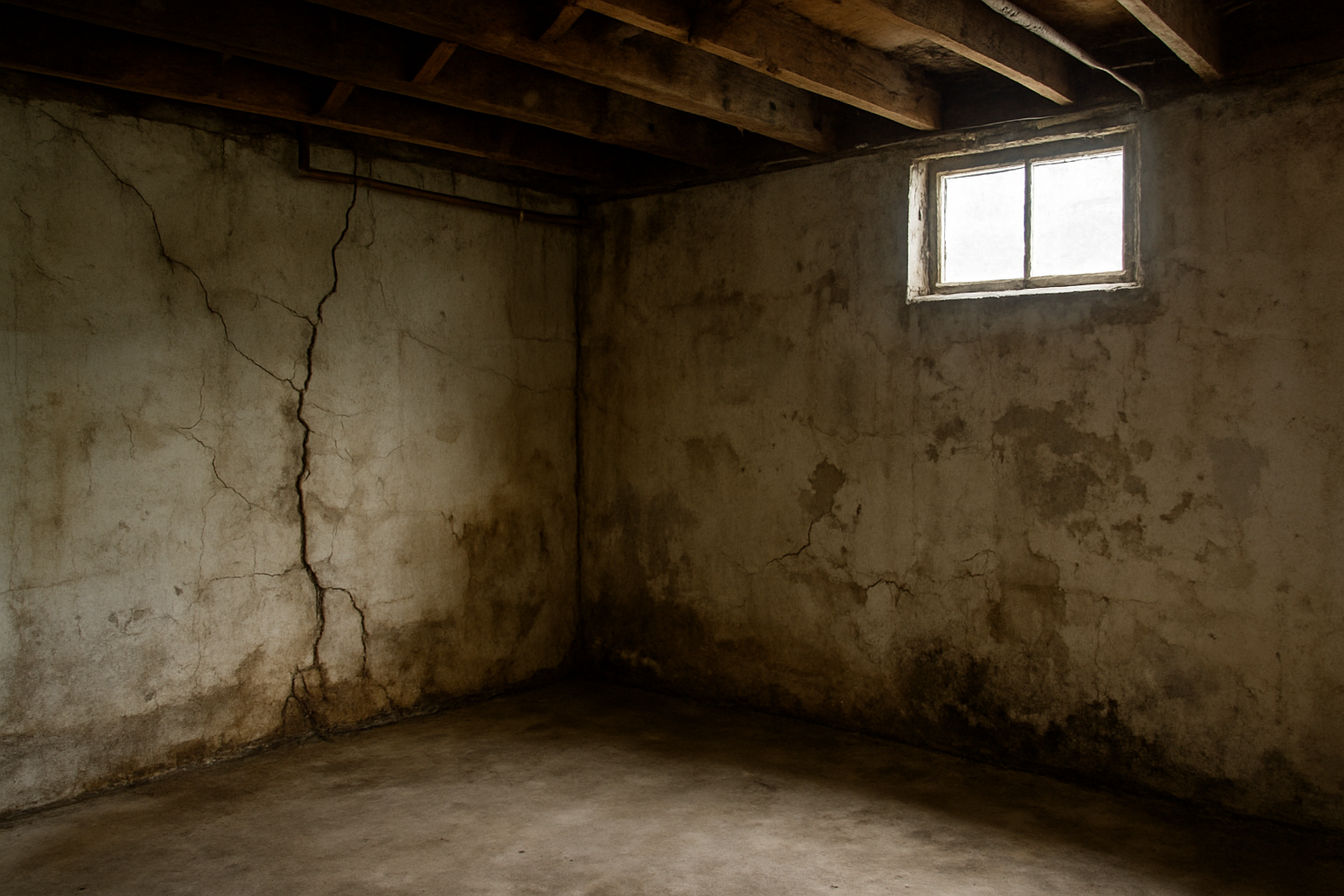
When you run your hand along your basement walls, they should feel comfortable to the touch, not like ice blocks even during Toronto’s warmer months. If your foundation walls consistently feel cold throughout the year, you’re dealing with a clear indicator of inadequate insulation. This persistent coldness means thermal bridging is occurring, where heat from inside your home transfers directly through the concrete or stone foundation to the cold ground outside.
Cold foundation walls create more problems than just discomfort. They encourage condensation when warm, humid air from your living spaces meets these cold surfaces. This condensation can lead to mold growth, wood rot in adjacent framing, and deterioration of stored items in your basement. You’ll also notice that rooms above your basement feel colder because the foundation walls are acting like giant heat sinks, pulling warmth right out of your home.
During Toronto’s harsh winters, these cold walls become even more problematic. The temperature differential between your heated basement air and the freezing foundation walls creates convection currents that constantly circulate cold air throughout the space. Your heating system works overtime trying to compensate, but without proper insulation, you’re essentially trying to heat the outdoors through your foundation.
Frost buildup appears on interior basement walls
Discovering frost or ice crystals forming on the inside of your basement walls is a serious red flag that demands immediate attention. This phenomenon, known as interior frost buildup, happens when moisture-laden air meets surfaces that are cold enough to freeze that moisture. In Toronto’s climate, this typically occurs during the coldest winter months when your uninsulated foundation walls drop to near-freezing temperatures.
You might notice this frost appearing as white, feathery deposits along wall surfaces, particularly in corners where cold air tends to accumulate. Sometimes it shows up as a thin layer of ice coating the walls or as crystalline formations around pipes, electrical outlets, or other penetrations through the foundation. This isn’t just an aesthetic problem – it’s a sign that your basement environment is creating conditions perfect for long-term moisture damage.
The frost forms because your foundation walls are so poorly insulated that they’re actually reaching the dew point of the air in your basement. When this happens repeatedly, you’re looking at cycles of freezing and thawing that can cause concrete to crack and spall. The expanding ice puts pressure on your foundation materials, potentially creating new cracks or widening existing ones. This frost also indicates that your basement is losing massive amounts of energy, as the heat required to create the warm air that’s condensing and freezing is being pulled directly from your heating system.
Existing insulation shows gaps or deterioration
Take a close look at whatever insulation currently exists in your basement. You might find fiberglass batts that have sagged away from walls, creating gaps where cold air flows freely. Perhaps you’ll discover rigid foam boards that have separated at the joints, leaving thermal bridges that compromise the entire insulation system. Old insulation often shifts, settles, or degrades over time, leaving your basement vulnerable to energy loss and moisture problems.
Fiberglass insulation is particularly problematic in basements because it loses effectiveness when it gets wet, and basement environments are naturally more humid. You might notice dark staining on fiberglass batts, which indicates moisture has been present long enough to encourage mold growth. Compressed fiberglass has also lost its insulating properties – it needs air pockets to work effectively, and once it’s been compressed by moisture, settling, or poor installation, those air pockets disappear.
Check for areas where insulation has pulled away from rim joists, around windows, or near mechanical penetrations. These gaps might seem small, but they create pathways for air movement that can undermine your entire basement’s thermal performance. Even a few inches of missing insulation can create cold spots that encourage condensation and make your basement uncomfortable.
Spray foam insulation eliminates these common failure points by adhering directly to surfaces, expanding to fill gaps, and maintaining its properties over time. Unlike traditional insulation materials, spray foam won’t sag, settle, or leave gaps that compromise your basement’s thermal envelope.
Assess Long-Term Home Value Impact

Uninsulated basements reduce overall property value
Your basement’s insulation status directly impacts what buyers are willing to pay for your home. Real estate appraisers consider energy efficiency as a key factor when determining market value, and an uninsulated basement sends red flags about potential moisture issues, uncomfortable living conditions, and high utility costs. You’re essentially leaving money on the table when your basement lacks proper insulation – studies show that homes with energy-efficient features command 5-10% higher prices than comparable properties without these improvements.
The cold, damp basement that you’ve been tolerating becomes a major negotiating point for buyers. They’ll factor in the cost of addressing insulation problems, often demanding price reductions that far exceed what you would have spent on spray foam insulation. Your unfinished or poorly insulated basement space also represents lost square footage in the eyes of potential buyers, since unusable basement areas don’t contribute to your home’s livable space calculations.
Energy inefficiency deters potential buyers
Today’s homebuyers are savvy about energy costs and environmental impact. When they walk into your basement and feel temperature fluctuations, notice drafts, or see condensation issues, they immediately start calculating the ongoing expenses they’ll inherit. Your high energy bills become their future burden, making your property less attractive compared to well-insulated homes on the market.
Buyers often request energy audits or utility bill histories during the purchasing process. If your basement insulation is inadequate, these documents will reveal the financial impact of your energy inefficiency. Smart buyers recognize that poor basement insulation means they’ll be paying premium prices for heating and cooling while dealing with comfort issues throughout the home.
Modern homebuyers expect proper basement insulation
The real estate market has shifted dramatically over the past decade. Buyers now expect energy-efficient features as standard, not luxury upgrades. Your basement insulation isn’t just about temperature control anymore – it’s about meeting contemporary housing standards. Millennials and Gen Z buyers, who make up the largest segment of home purchasers, prioritize sustainability and energy efficiency above many traditional home features.
When your basement lacks spray foam insulation, you’re marketing a home that feels outdated to modern buyers. They’ve grown up understanding the importance of proper insulation and won’t settle for homes that require immediate major improvements. You’re competing against sellers who have already invested in energy-efficient upgrades, putting your property at a significant disadvantage.
Investment in spray foam pays dividends at resale
Every dollar you spend on spray foam insulation typically returns $1.50-$2.00 in increased home value. This return on investment makes
basement insulation one of the smartest home improvement projects you can undertake. Beyond the immediate energy savings, you’re positioning your home as a premium property in your neighborhood market.
The benefits compound over time. While you enjoy lower energy bills and improved comfort during your ownership, you’re also building equity through increased property value. When you decide to sell, your professionally insulated basement becomes a selling point that differentiates your home from competitors, often resulting in faster sales and higher offers.
Calculate Cost-Benefit of Immediate Action

Delaying insulation increases cumulative energy waste
Your monthly energy bills tell the whole story. Every month you postpone spray foam insulation in your Toronto basement, you’re watching money literally disappear through your foundation walls. Your heating system works overtime during those brutal Canadian winters, while your air conditioning struggles to maintain comfort in humid summers.
The math is straightforward: an uninsulated basement forces your HVAC system to compensate for temperature loss year-round. This means higher electricity bills, increased gas consumption, and premature wear on your heating and cooling equipment. Over five years, you could easily spend thousands more than necessary on energy costs alone.
Your basement acts like a thermal leak in your home’s envelope. Even if you rarely use the space, that cold concrete foundation pulls warmth from your main living areas through the floor joists. This creates a domino effect where your furnace kicks on more frequently, and rooms above feel drafty despite your thermostat settings.
The longer you wait, the more these costs compound. What starts as an extra $50 per month quickly becomes $600 annually, then $3,000 over five years. Meanwhile, spray foam insulation typically pays for itself within 2-3 years through energy savings.
Spray foam installation prevents costly moisture damage
Your basement’s moisture problems won’t magically disappear – they’ll get worse and more expensive to fix. Water damage restoration in Toronto basements can cost anywhere from $5,000 to $20,000, depending on the severity and affected area size.
Spray foam creates an airtight vapor barrier that stops moisture infiltration at its source. Without this protection, you’re gambling with:
- Mold remediation costs: Professional mold removal ranges from $2,000 to $8,000
- Structural repairs: Foundation damage and wood rot can exceed $15,000
- Flooring replacement: Water-damaged basement floors cost $3,000 to $10,000 to replace
- Personal property loss: Damaged furniture, electronics, and stored items add up quickly
Your home insurance might not cover gradual water damage or mold growth that develops over time. Insurance companies often view these issues as preventable maintenance problems rather than covered incidents.
Consider the hidden costs too. Moisture problems create health issues that affect your family’s well-being. Poor indoor air quality can trigger respiratory problems, allergies, and other health concerns that translate to medical expenses and lost productivity.
Toronto climate demands year-round basement protection
Your Toronto basement faces unique challenges that make insulation essential rather than optional. The city’s climate swings from -20°C winters to 30°C summers, creating constant thermal stress on your foundation walls.
Toronto’s seasonal patterns create perfect storm conditions:
| Season |
Challenge |
Without Insulation |
With Spray Foam |
| Winter |
Extreme cold penetration |
Ice formation, heat loss |
Complete thermal barrier |
| Spring |
Rapid temperature swings |
Condensation buildup |
Stable indoor climate |
| Summer |
High humidity infiltration |
Mold growth risk |
Moisture control |
| Fall |
Freeze-thaw cycles |
Structural stress |
Foundation protection |
Your basement experiences the ground’s thermal mass effect throughout the year. During winter months, the soil around your foundation stays relatively warm compared to air temperatures, but uninsulated walls still allow significant heat transfer. Summer brings the opposite problem – cool soil temperatures create condensation when warm, humid air meets cold concrete.
The freeze-thaw cycles common in Toronto put additional stress on your foundation. Water that penetrates small cracks expands when it freezes, creating larger gaps that allow more moisture infiltration. Spray foam insulation stops this cycle by preventing water penetration and maintaining consistent temperatures along your foundation walls.
Your investment in
spray foam insulation protects against Toronto’s specific weather patterns while delivering immediate comfort improvements and long-term financial benefits.
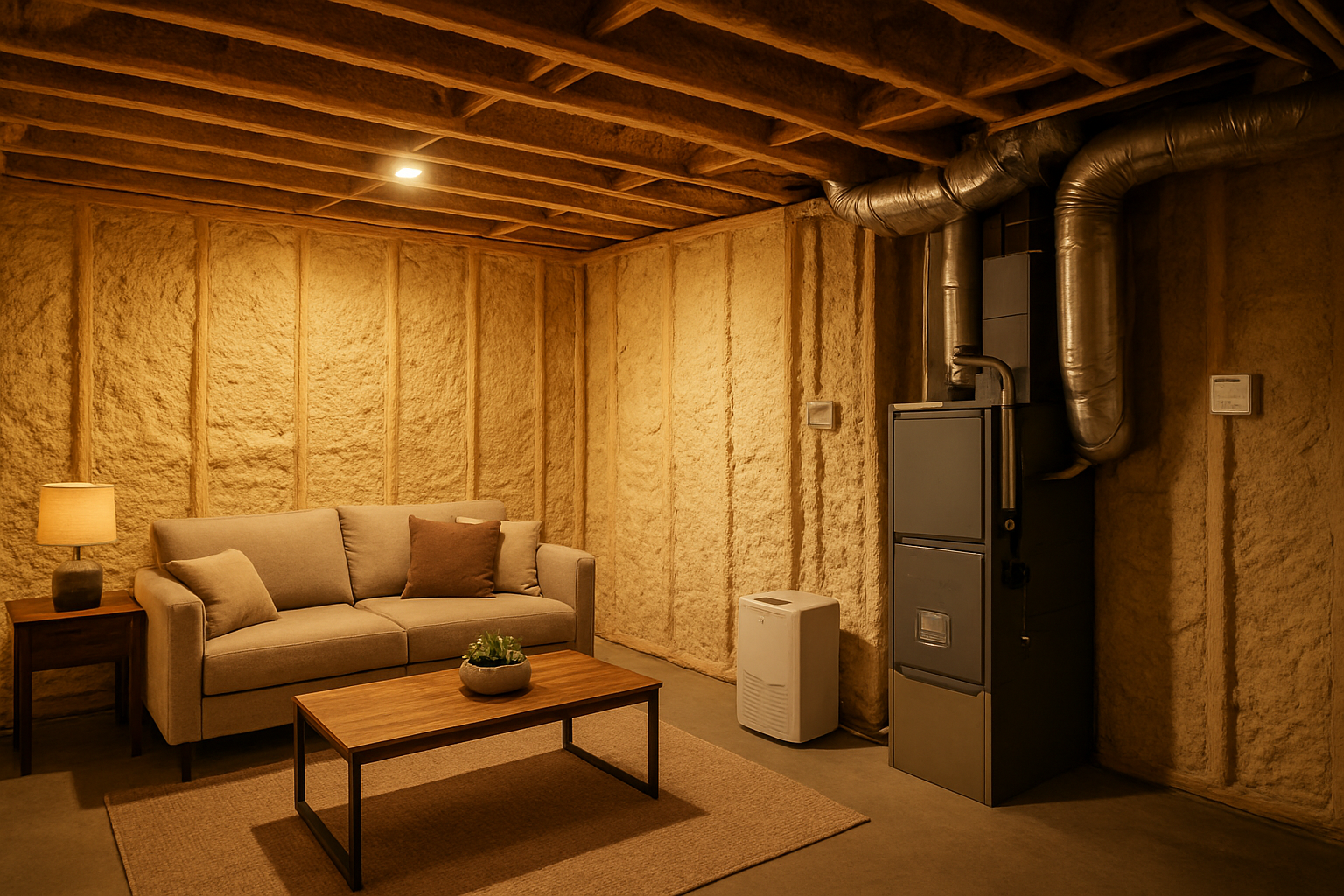
Your basement is sending you clear signals that it needs better insulation, and ignoring these warning signs will only cost you more money and comfort down the road. From inconsistent temperatures and rising energy bills to moisture problems and poor air quality, these issues compound over time and affect your entire home’s efficiency. The structural concerns and decreased home value that come with an under-insulated basement can turn into major headaches if you wait too long to address them.
The good news is that
spray foam insulation tackles all these problems at once, creating a complete thermal and moisture barrier that transforms your basement into a comfortable, energy-efficient space. When you crunch the numbers on immediate action versus waiting, the math is clear – investing in spray foam insulation now saves you thousands in the long run while making your
Toronto home more comfortable year-round. Don’t let another winter pass with a basement that’s working against you instead of for you.