
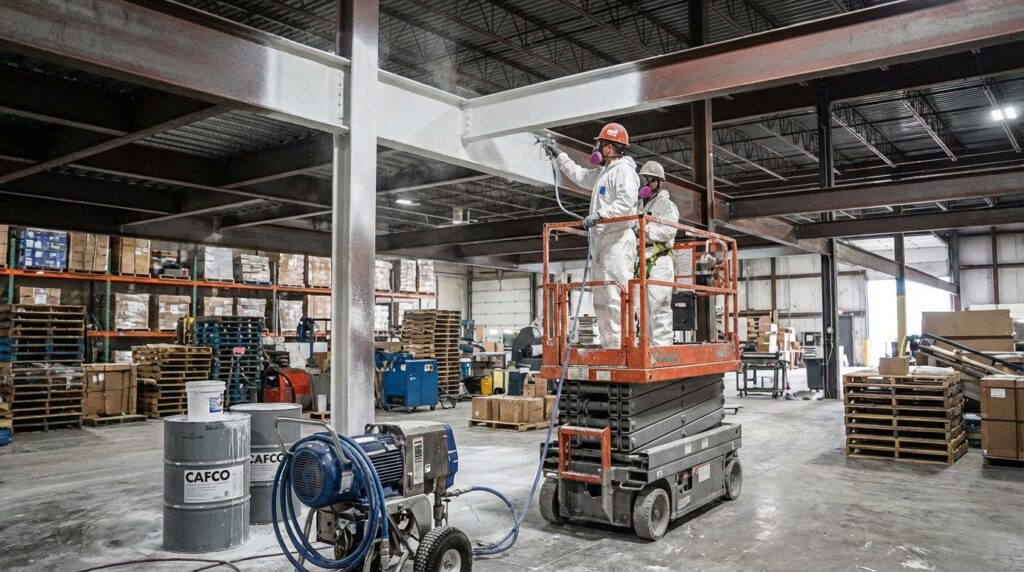
Running a restaurant in Ontario is a demanding venture. Beyond the delicious food and excellent service, ensuring the safety of your staff and patrons is paramount. One critical aspect of restaurant safety, particularly in the kitchen, is fire protection. As Shaun Falls, Owner & Founder of Spray Foam Kings, I’ve seen firsthand the devastating consequences of inadequate fire safety measures. This post will delve into whether fireproofing is necessary for your restaurant kitchen in Ontario, navigating the complexities of the Ontario Building Code and providing practical advice to help you make informed decisions. We’ll cover everything from code requirements to cost considerations, helping you protect your business and ensure compliance.
The Short Answer
Yes, fireproofing your restaurant kitchen in Ontario is often a necessity, driven by the Ontario Building Code and specific fire safety regulations. Depending on the construction type and occupancy load, you’ll likely need fire-rated assemblies and materials, which can include fire-resistant coatings or spray foam. Costs for fireproofing can range from $5 to $15 per square foot, depending on the materials and labor involved, representing a critical investment in safety and compliance.
Understanding Fireproofing Regulations in Ontario
The Ontario Building Code (OBC) is the primary governing document for construction and fire safety in the province. It outlines specific requirements for fire resistance based on building type, occupancy, and size. Failing to comply with these regulations can lead to hefty fines, operational delays, or even closure of your restaurant.
The Ontario Building Code and Restaurant Kitchens
The OBC addresses fire safety through several key provisions:
- Fire-Resistance Ratings: The OBC mandates specific fire-resistance ratings (measured in hours) for walls, floors, and ceilings that separate different occupancies or create fire separations within a building. For example, a kitchen separating from a dining area might require a 1-hour or 2-hour fire-resistance rating, depending on the specific circumstances.
- Fire Separations: These are construction assemblies that are designed to resist the spread of fire. Kitchens are frequently considered high-hazard areas, requiring robust fire separation from other parts of the restaurant.
- Sprinkler Systems: While not directly fireproofing, the presence of a properly installed and maintained sprinkler system can significantly mitigate the effects of a fire. The OBC specifies when sprinkler systems are required based on building size, occupancy, and other factors.
- Material Requirements: The OBC also specifies the use of fire-resistant materials in certain areas. This might include non-combustible insulation around cooking equipment or fire-retardant coatings on exposed structural elements.
It’s crucial to consult with a qualified architect, engineer, or fire protection specialist to determine the specific requirements applicable to your restaurant kitchen. They can interpret the OBC in the context of your building and ensure compliance with all relevant regulations. Consider reaching out to a commercial spray foam contractor to discuss fireproofing insulation options.
Specific Areas Requiring Fire Protection
Several areas within a restaurant kitchen are particularly vulnerable to fire and often require enhanced fire protection:
- Cooking Equipment: Areas around stoves, ovens, fryers, and other cooking equipment are high-risk zones. Fire-resistant insulation and fire-retardant coatings are often required.
- Grease Ducts and Hoods: Grease buildup in these areas is a significant fire hazard. Regular cleaning and fire-rated enclosures are essential.
- Exhaust Systems: Kitchen exhaust systems must be designed to prevent the spread of fire and smoke. This may involve fire dampers and other fire-stopping measures.
- Electrical Wiring: Faulty wiring can be a major cause of kitchen fires. Ensuring that all electrical work is done by a licensed electrician and meets code requirements is crucial.
Fireproofing Methods for Restaurant Kitchens
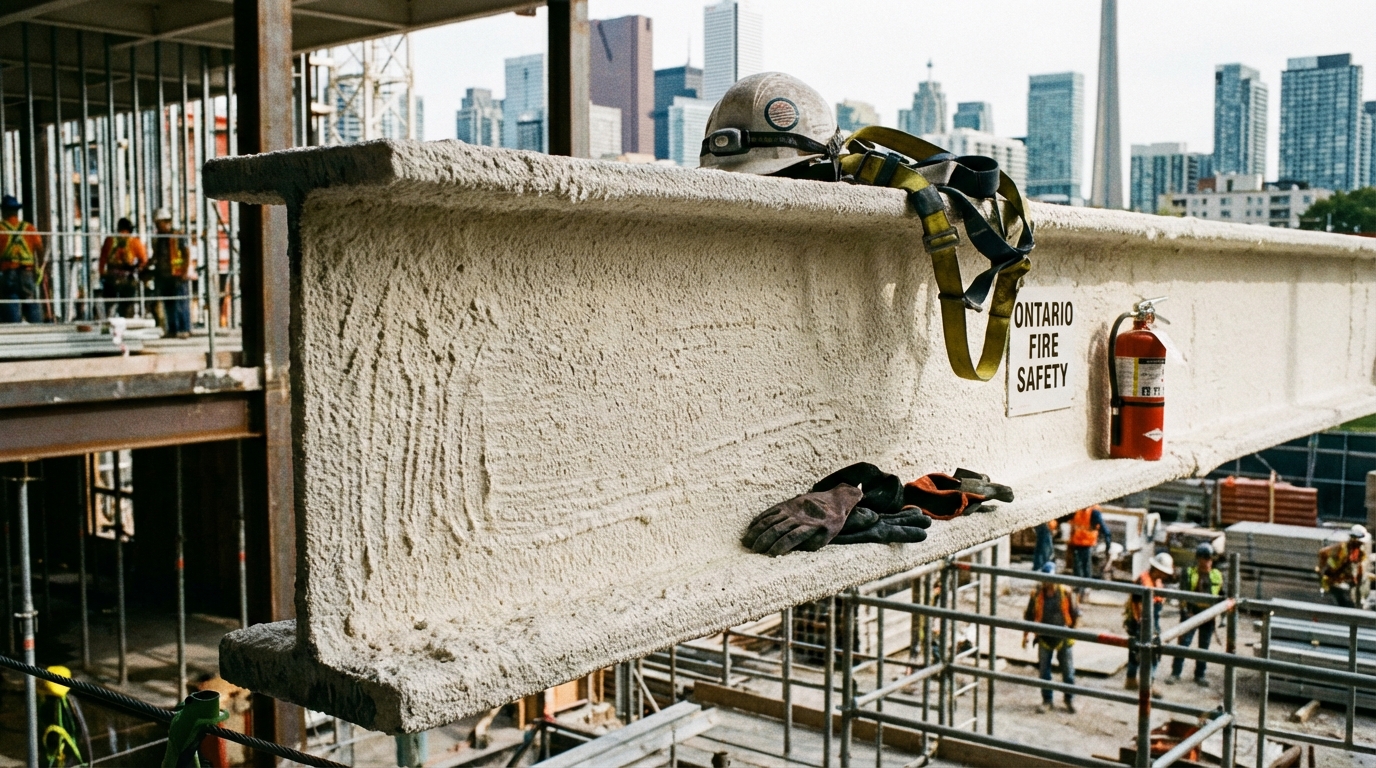
Several methods can be employed to fireproof your restaurant kitchen, each offering different levels of protection and cost-effectiveness.
Spray Foam Insulation
Spray foam insulation is a versatile option that can provide both thermal insulation and fire protection. Closed-cell spray foam offers superior fire resistance compared to open-cell foam. When properly installed, it can create an airtight seal, preventing the spread of flames and smoke. Some spray foam products are specifically formulated with fire-retardant additives to enhance their fire-resistance properties. The R-value of closed-cell spray foam is approximately R-6.5 to R-7 per inch, offering excellent insulation alongside fire protection. At Spray Foam Kings, we offer expert commercial spray foam installation services to ensure your kitchen meets all fire safety requirements. You can learn more about our commercial services on our commercial spray foam page.
Fire-Retardant Coatings and Paints
These coatings are designed to slow down the spread of flames and reduce the amount of smoke produced in a fire. They can be applied to various surfaces, including wood, metal, and concrete. Fire-retardant paints are typically intumescent, meaning they expand when exposed to heat, creating a protective char layer that insulates the underlying material. While these coatings don’t provide the same level of insulation as spray foam, they can be a cost-effective way to enhance fire safety in specific areas.
Intumescent Wraps and Blankets
Intumescent wraps and blankets are used to protect structural elements, such as steel beams and columns, from fire. These materials expand when exposed to heat, providing a layer of insulation that prevents the steel from reaching its critical failure temperature. They are particularly useful in situations where structural integrity is paramount.
Cost Considerations for Fireproofing
The cost of fireproofing your restaurant kitchen can vary significantly depending on the size of the kitchen, the materials used, and the complexity of the installation. However, it’s important to view fireproofing as an investment in safety and compliance, rather than just an expense.
Estimating Fireproofing Costs
As mentioned earlier, fireproofing costs can range from $5 to $15 per square foot. This range accounts for different fireproofing methods and project complexities. Spray foam insulation, for example, might cost between $3 and $7 per board foot, depending on the type of foam and the thickness required. Fire-retardant coatings may cost between $2 and $5 per square foot, depending on the type of coating and the number of coats needed.
Remember to factor in the cost of labor, which can account for a significant portion of the overall expense. It’s always best to obtain multiple quotes from qualified contractors to get an accurate estimate for your specific project. You can use our free spray foam cost calculator to get an initial estimate for spray foam insulation.
Long-Term Savings and Benefits
While fireproofing involves an upfront cost, it can lead to long-term savings and benefits:
- Reduced Insurance Premiums: Many insurance companies offer lower premiums for businesses that have implemented fire safety measures.
- Protection Against Property Damage: Fireproofing can help prevent or minimize damage in the event of a fire, saving you money on repairs and replacements.
- Business Continuity: By preventing or minimizing fire damage, you can reduce downtime and ensure that your restaurant can continue operating smoothly.
- Peace of Mind: Knowing that you have taken steps to protect your staff and patrons can provide invaluable peace of mind.
Investing in fireproofing is not just about meeting code requirements; it’s about protecting your business, your employees, and your customers. Consider the long-term benefits and cost savings when making your decision.
Finding the Right Fireproofing Contractor
Choosing the right contractor is crucial to ensure that your fireproofing project is completed safely and effectively. Look for a contractor with the following qualifications:
Experience and Expertise
The contractor should have extensive experience in fireproofing restaurant kitchens and a thorough understanding of the Ontario Building Code. Ask for references and examples of previous projects.
Licensing and Insurance
Ensure that the contractor is properly licensed and insured. This will protect you from liability in case of accidents or damage during the project.
Certifications and Training
Look for contractors who have certifications from reputable organizations, such as the Spray Polyurethane Foam Alliance (SPFA). This indicates that they have received specialized training in the installation of fireproofing materials.
At Spray Foam Kings, we are fully licensed, bonded, and insured, and our team has extensive experience in fireproofing commercial properties throughout Ontario. We are committed to providing high-quality workmanship and ensuring compliance with all applicable regulations. Check out our fireproofing services for more information. We also provide residential insulation services. If you’re looking to upgrade your home’s insulation, visit our residential spray foam page.
Frequently Asked Questions
What are the most common fire hazards in a restaurant kitchen?
The most common fire hazards include grease buildup in exhaust systems, unattended cooking equipment, faulty electrical wiring, and improper storage of flammable materials.
How often should I inspect my restaurant kitchen for fire hazards?
You should conduct daily visual inspections for obvious hazards, such as grease buildup and frayed electrical cords. A more thorough inspection should be performed at least monthly, and a professional fire safety inspection should be conducted annually.
What is the difference between fireproofing and fire resistance?
Fireproofing refers to making a material or structure completely resistant to fire, while fire resistance refers to the ability of a material or structure to withstand fire for a specified period. The Ontario Building Code typically specifies fire-resistance ratings for different building elements.
Does fireproofing affect the R-value of my insulation?
Yes, some fireproofing methods, such as spray foam insulation, can also improve the R-value of your insulation, leading to energy savings. Other methods, such as fire-retardant coatings, may not significantly affect the R-value.
Are there any Ontario insulation rebates for fireproofing my restaurant kitchen?
Unfortunately, there are no specific rebates directly targeting fireproofing. However, some energy efficiency upgrades that incorporate fire-resistant insulation may be eligible for rebates. Check with your local utility company and explore potential Ontario insulation rebate programs for available incentives. You can also find general information on our Ontario insulation rebates page.
Get a Free Spray Foam Insulation Quote in Ontario
Ready to upgrade your insulation? Spray Foam Kings serves Toronto, the GTA, and all of Ontario with licensed, bonded, and insured spray foam insulation and fireproofing services.
📞 Call or text us: (647) 641-6881
📍 Find us on Google Maps: Spray Foam Kings on Google
💻 Or use our free spray foam cost calculator for an instant estimate.
We offer free quotes with no obligation. Most projects in the GTA are booked within 5–7 business days.