
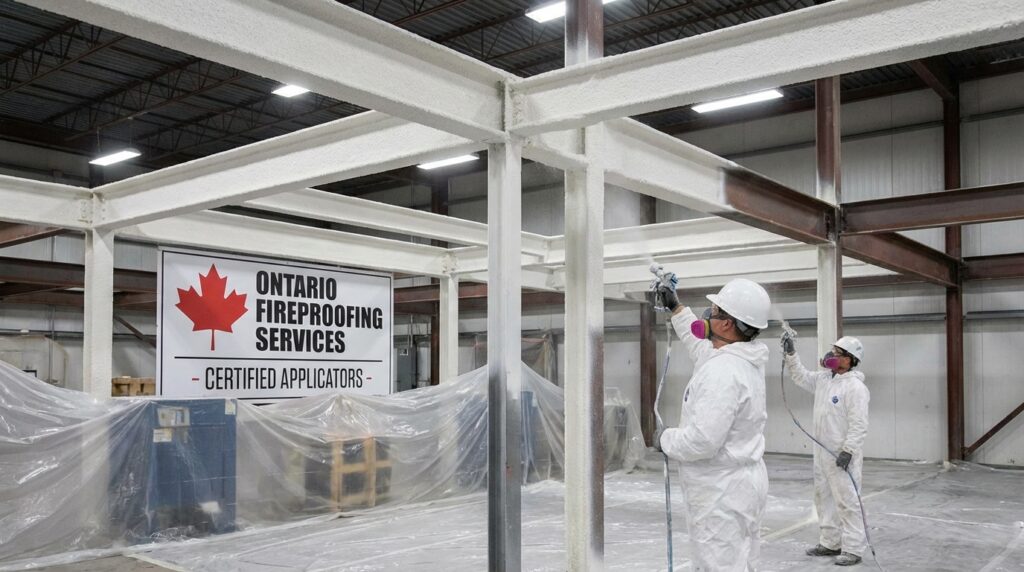
Data centers are the backbone of the modern digital world. Housing critical servers and sensitive data, they require robust protection against various threats, with fire being one of the most devastating. In Ontario, specific regulations and best practices govern data center fireproofing to ensure business continuity and minimize potential losses. This guide will explore the key aspects of data center fireproofing requirements in Ontario, helping you understand the standards and implement effective protection measures.
The Short Answer
Data center fireproofing in Ontario is governed by the Ontario Building Code (OBC), which mandates specific fire-resistance ratings for structural components and fire suppression systems. Expect to spend between $5-$15 per square foot for fireproofing materials and labor. Meeting these regulations helps protect critical infrastructure and maintain business continuity, costing anywhere from $10,000 to $100,000+ CAD depending on the size and complexity of the data center.
Understanding the Ontario Building Code (OBC)
Key Fire Safety Provisions
The Ontario Building Code (OBC) outlines detailed requirements for fire safety in all types of buildings, including data centers. These provisions cover various aspects, such as:
- Fire-Resistance Ratings: The OBC specifies the required fire-resistance ratings for walls, floors, ceilings, and doors based on the building’s occupancy and height. Data centers, considered high-value properties, often necessitate higher ratings.
- Fire Suppression Systems: Automatic sprinkler systems are typically required, but gaseous fire suppression systems may be necessary in areas with sensitive electronic equipment. The OBC dictates the design and installation standards for these systems.
- Fire Alarm and Detection Systems: Data centers must have reliable fire alarm and detection systems that can quickly identify and alert occupants to a fire.
- Emergency Egress: The OBC sets requirements for emergency exits, including the number, size, and location of exits, as well as the use of emergency lighting and signage.
- Compartmentation: Creating fire-resistant compartments within the data center can help contain a fire and prevent it from spreading rapidly.
Specific OBC Requirements for Data Centers
While the OBC doesn’t have a specific section dedicated solely to data centers, the requirements for “high hazard” or “storage” occupancies often apply. This means stricter fire-resistance ratings and more robust fire suppression systems. The classification will depend on the specific use and contents of the data center. Generally, you can expect:
- Fire Separation: Fire separations between the data center and other areas of the building must have a specific fire-resistance rating (e.g., 2 hours).
- Sprinkler System Design: Sprinkler systems should be designed to provide adequate water density based on the fire hazard presented by the equipment and materials in the data center.
- Standby Power: Emergency power systems are crucial to ensure that fire suppression and alarm systems continue to function during a power outage.
Navigating the OBC can be complex. Consulting with a qualified fire protection engineer or a company specializing in fireproofing in Toronto is highly recommended to ensure compliance.
Choosing the Right Fireproofing Materials
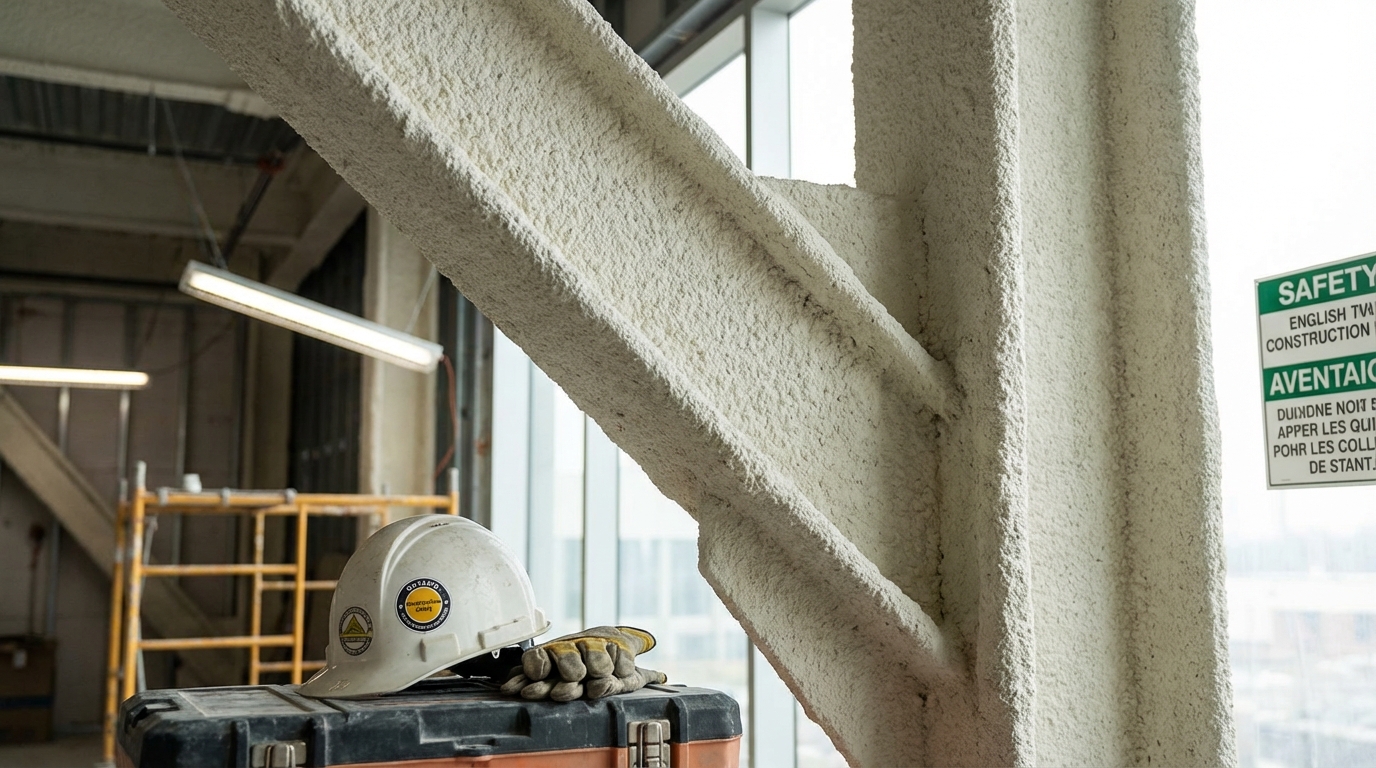
Spray-Applied Fire-Resistive Materials (SFRM)
SFRMs are commonly used to protect structural steel and concrete in data centers. These materials are applied directly to the surfaces and provide a thermal barrier, delaying the time it takes for the structural elements to reach critical temperatures. Cementitious and intumescent SFRMs are the two main types:
- Cementitious SFRM: This type is typically made from cement, gypsum, or other inorganic materials. It is relatively inexpensive and provides good fire resistance, but it can be heavy and dusty during application.
- Intumescent SFRM: Intumescent materials expand when exposed to heat, forming a char layer that insulates the substrate. They are lighter than cementitious SFRMs and offer excellent fire resistance, but they are generally more expensive.
When choosing an SFRM, consider the required fire-resistance rating, the substrate material, the application environment, and the cost. Professional installation by a company like Spray Foam Kings ensures proper application and performance.
Fire-Resistant Insulation Materials
Insulation plays a crucial role in fireproofing by slowing down heat transfer and preventing the spread of flames. Several fire-resistant insulation materials are suitable for data centers, including:
- Mineral Wool: Mineral wool is a non-combustible material made from rock or slag. It offers excellent fire resistance and thermal insulation properties. It’s also a great option for sound dampening.
- Fiberglass: Fiberglass is another widely used insulation material that is relatively inexpensive and provides good thermal insulation. However, it is not as fire-resistant as mineral wool.
- Spray Foam Insulation: While not all spray foam is fire-resistant, certain closed-cell spray foam formulations offer excellent fire performance. When properly installed, it creates an air-tight seal, reducing the oxygen available to fuel a fire. Look for spray foam with a Class 1 fire rating. The R-value of spray foam is typically around R-6.8 per inch. For commercial projects, exploring commercial spray foam insulation options is essential.
The required R-value of insulation in Ontario depends on the climate zone and the building component. Consult the OBC or a qualified insulation contractor to determine the appropriate R-value for your data center. Don’t forget to explore if any Ontario insulation rebates are available for your project.
Fire Suppression Systems
Sprinkler Systems
Sprinkler systems are the most common type of fire suppression system in data centers. They are effective at quickly extinguishing fires and preventing them from spreading. However, water can damage sensitive electronic equipment. Pre-action sprinkler systems are often used in data centers to mitigate this risk. These systems require two separate events to trigger the release of water, such as a fire alarm activation and a sprinkler head activation.
Gaseous Fire Suppression Systems
Gaseous fire suppression systems use inert gases or chemical agents to extinguish fires without causing damage to electronic equipment. These systems are particularly well-suited for data centers. Common gaseous agents include:
- Inert Gases: Argon, nitrogen, and carbon dioxide are inert gases that displace oxygen, suffocating the fire.
- Chemical Agents: FM-200 and Novec 1230 are chemical agents that interrupt the chemical reaction of the fire.
Gaseous fire suppression systems require careful design and installation to ensure they are effective and safe for occupants. Regular maintenance and testing are also essential. The cost of installing a gaseous fire suppression system can range from $10,000 to $50,000 or more, depending on the size of the data center and the complexity of the system.
Cost Considerations for Data Center Fireproofing
Material and Installation Costs
The cost of data center fireproofing can vary significantly depending on the size of the facility, the materials used, and the complexity of the installation. Here’s a general breakdown of the cost factors:
- SFRM: The cost of SFRM can range from $3 to $8 per square foot, depending on the type of material and the required thickness. Installation costs can add another $2 to $7 per square foot.
- Fire-Resistant Insulation: The cost of fire-resistant insulation varies depending on the material and R-value. Mineral wool can cost $1 to $3 per square foot, while spray foam can cost $2 to $5 per square foot. Installation costs will add to these figures. For residential applications, you can explore residential spray foam insulation options.
- Fire Suppression Systems: Sprinkler systems can cost $2 to $5 per square foot to install, while gaseous fire suppression systems can cost $5 to $15 per square foot.
Long-Term Cost Savings
While fireproofing can be a significant upfront investment, it can lead to substantial long-term cost savings by:
- Protecting Critical Equipment: Fireproofing can prevent or minimize damage to expensive servers and other equipment, reducing replacement costs.
- Minimizing Downtime: By preventing or containing fires, fireproofing can minimize downtime and lost revenue.
- Lowering Insurance Premiums: Many insurance companies offer lower premiums for data centers with robust fire protection measures.
- Ensuring Business Continuity: Fireproofing helps ensure business continuity by protecting critical data and systems.
Using a spray foam cost calculator can help estimate the initial investment, but remember to factor in the potential long-term savings.
Maintenance and Inspection
Regular Inspections
Regular inspections are essential to ensure that fireproofing systems are functioning properly and that there are no potential fire hazards. Inspections should include:
- Visual Inspection: Check for any damage to SFRM or insulation.
- Sprinkler System Inspection: Verify that sprinkler heads are unobstructed and that the system is properly maintained.
- Fire Alarm System Testing: Test the fire alarm system to ensure it is functioning correctly.
- Gaseous Fire Suppression System Inspection: Inspect the system for leaks and ensure that the agent cylinders are properly charged.
Maintenance Procedures
Regular maintenance is crucial to keep fireproofing systems in good working order. Maintenance procedures should include:
- SFRM Repair: Repair any damaged or deteriorated SFRM.
- Insulation Replacement: Replace any damaged or deteriorated insulation.
- Sprinkler System Maintenance: Flush sprinkler systems regularly to remove sediment and debris.
- Fire Alarm System Maintenance: Replace batteries and test the system regularly.
- Gaseous Fire Suppression System Maintenance: Recharge agent cylinders as needed and inspect the system for leaks.
Frequently Asked Questions
What is the fire-resistance rating required for data center walls in Ontario?
The specific fire-resistance rating depends on the building’s occupancy and height, as determined by the Ontario Building Code (OBC). Data centers typically require a 2-hour fire-resistance rating for walls separating them from other areas of the building.
Are sprinkler systems mandatory in Ontario data centers?
Generally, yes. The Ontario Building Code mandates sprinkler systems in most commercial buildings, including data centers. However, gaseous fire suppression systems may be used in conjunction with or as an alternative to sprinkler systems in areas with sensitive electronic equipment.
How often should fireproofing systems be inspected?
Fireproofing systems should be inspected at least annually by a qualified professional. More frequent inspections may be required depending on the specific system and the building’s occupancy.
What type of spray foam is best for fireproofing a data center?
Closed-cell spray foam with a Class 1 fire rating is the best choice for data center fireproofing. It provides excellent thermal insulation, air sealing, and fire resistance.
Does fireproofing increase the R-value of my data center walls?
Yes, fire-resistant insulation materials like mineral wool and spray foam also increase the R-value of walls, improving energy efficiency and reducing heating and cooling costs.
Get a Free Spray Foam Insulation Quote in Ontario
Ready to upgrade your insulation? Spray Foam Kings serves Toronto, the GTA, and all of Ontario with licensed, bonded, and insured spray foam insulation and fireproofing services.
📞 Call or text us: (647) 641-6881
📍 Find us on Google Maps: Spray Foam Kings on Google
💻 Or use our free spray foam cost calculator for an instant estimate.
We offer free quotes with no obligation. Most projects in the GTA are booked within 5–7 business days.