
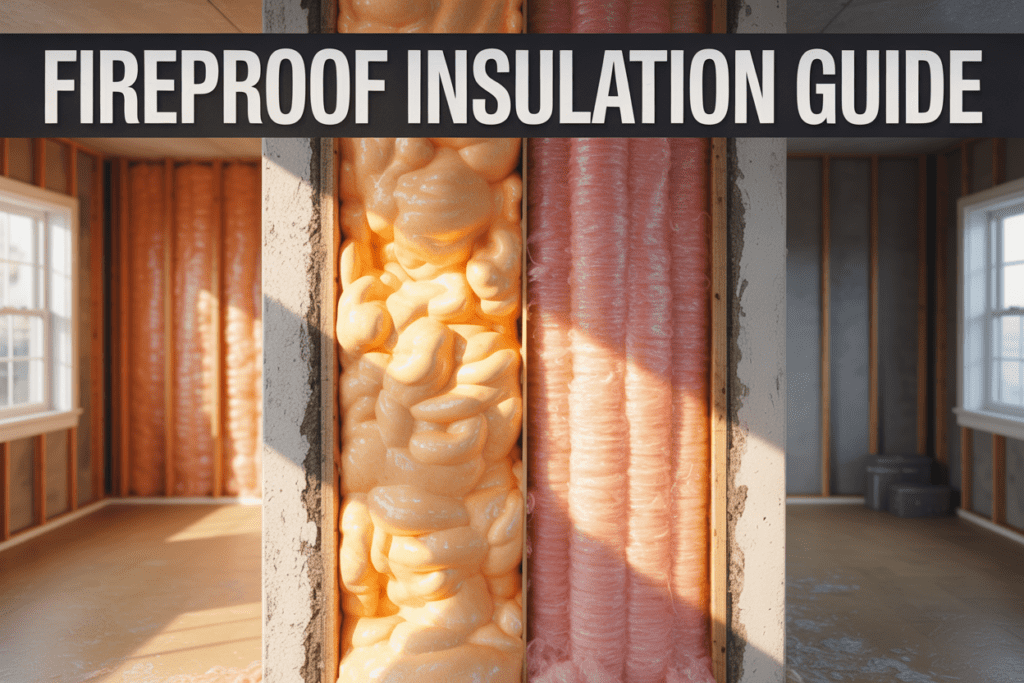
Are you upgrading your Toronto home’s insulation and wondering whether fireproof spray foam or traditional fireproof insulation is the right choice? With Ontario’s strict building codes and rising energy costs, selecting fire-resistant materials that protect your family while maximizing energy efficiency has become essential. This is your full guide to understanding fireproof spray foam vs fireproof insulation
This guide is designed for Toronto homeowners who want to make informed decisions about fire-resistant insulation options. You’ll discover the key differences between fire-resistant insulation materials available in Canada and learn when fire block spray foam makes sense versus other fireproof alternatives. We’ll also break down cost comparisons and budget planning strategies so you can choose the best option for your property and wallet.
Whether you’re renovating an older Toronto home or building new, understanding your fire-resistant insulation choices helps ensure your project meets Ontario Building Code requirements while keeping your family safe and comfortable year-round.
Understanding Fire-Resistant Insulation Options for Toronto Homes
What Makes Insulation Fire-Resistant vs. Fireproof
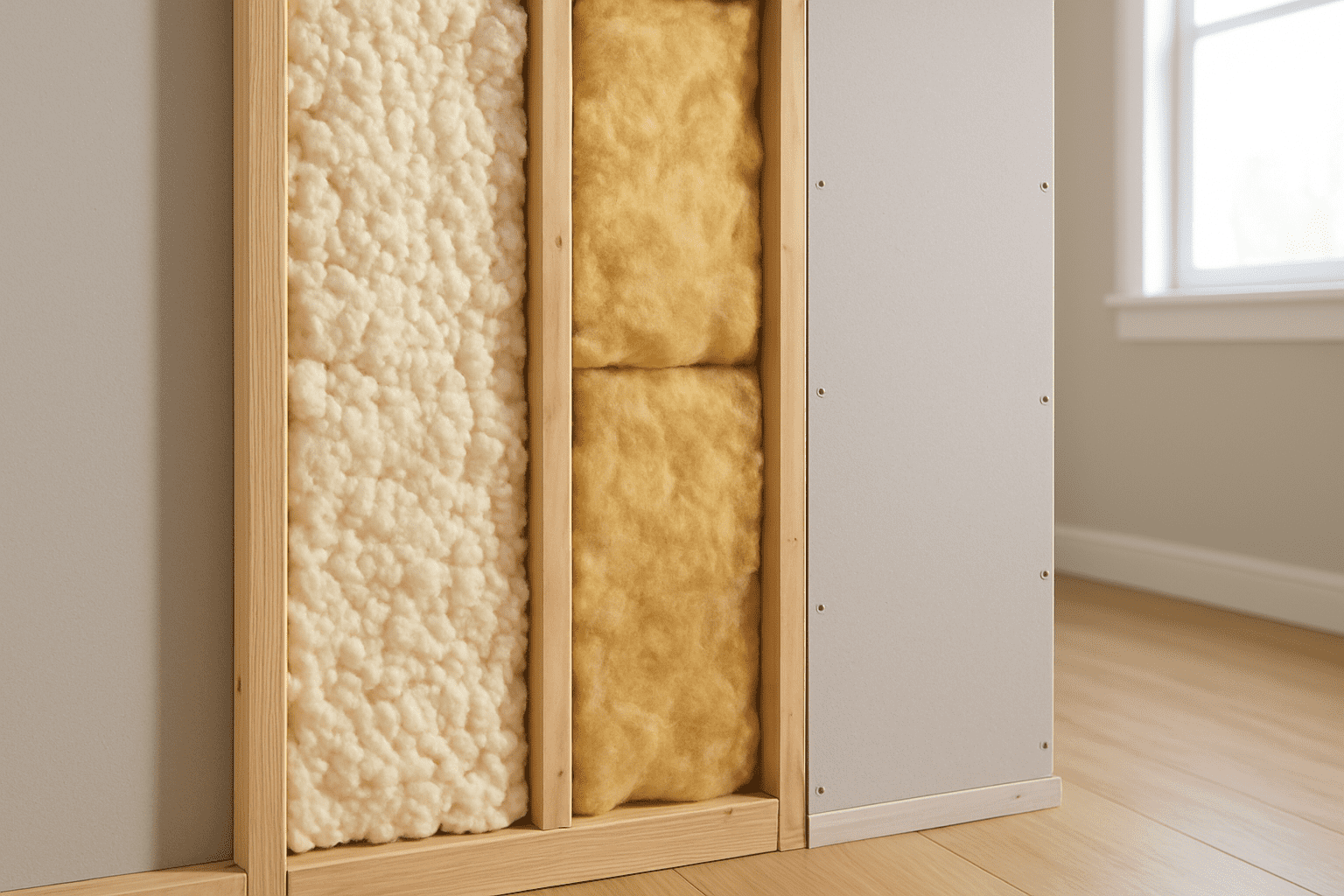
When you’re selecting insulation for your Toronto home, understanding the distinction between fire-resistant and fireproof materials is crucial for your family’s safety. Fire-resistant insulation is specifically designed to resist ignition and significantly delay the spread of flames throughout your home, providing you with precious extra time to evacuate safely during an emergency. Unlike standard insulation materials, fire-resistant options won’t catch fire easily and are engineered to avoid releasing toxic smoke or melting rapidly when exposed to flames.
Your fire-resistant insulation will typically be classified as non-combustible or carry a Class A fire rating, ensuring it meets the stringent safety standards required in both Canada and the United States. When you encounter fire block foam specifically, you’ll find it contains specialized fire retardant additives that actively slow flame spread throughout your home’s structure. This contrasts sharply with standard spray foam insulation, which primarily focuses on thermal efficiency and lacks these built-in fire resistance properties that could prove vital during an emergency.
Canadian Building Code Requirements for Fire Safety
Your insulation choices must comply with specific Canadian Building Code requirements that enforce minimum flame-spread and smoke-development standards, particularly in essential areas of your home. When you install insulation, it must meet a flame-spread rating of 25 or less and maintain a smoke-developed index that doesn’t exceed 50, according to CAN/ULC S102.2 or ASTM E84 standards.
If you’re insulating fire-rated assemblies in your home—such as the areas between your garage and living spaces, or if you’re separating duplex units—your insulation must be non-combustible or protected by an approved thermal barrier like drywall. For insulation you place in concealed spaces behind your walls or in your attic, you can use combustible materials, but they must be installed behind a protective thermal barrier, typically half-inch drywall.
When you choose spray foam insulation for your Toronto home, you’ll need to ensure it includes a 15-minute thermal barrier unless the specific product has been tested and approved for exposed use in your particular application.
When Fire-Resistant Insulation Becomes Mandatory
While fireproof insulation isn’t mandatory for every area of your home, specific situations will require you to use fire-resistant materials to meet safety regulations. If you live in a multi-family building, high-rise, or own commercial property, you must use non-combustible insulation in critical areas such as exit stairwells, elevator shafts, or fire separations between units.
These mandatory installations must meet fire-resistance ratings of 1-2 hours, ensuring your building provides adequate protection and evacuation time during emergencies. Your compliance with these requirements isn’t just about following regulations—it’s about protecting yourself, your family, and your neighbors from potential fire hazards that could otherwise spread rapidly through inadequately protected spaces.
Top Fire-Resistant Insulation Materials Available in Canada
Mineral Wool – Best Overall Fire Protection and Soundproofing
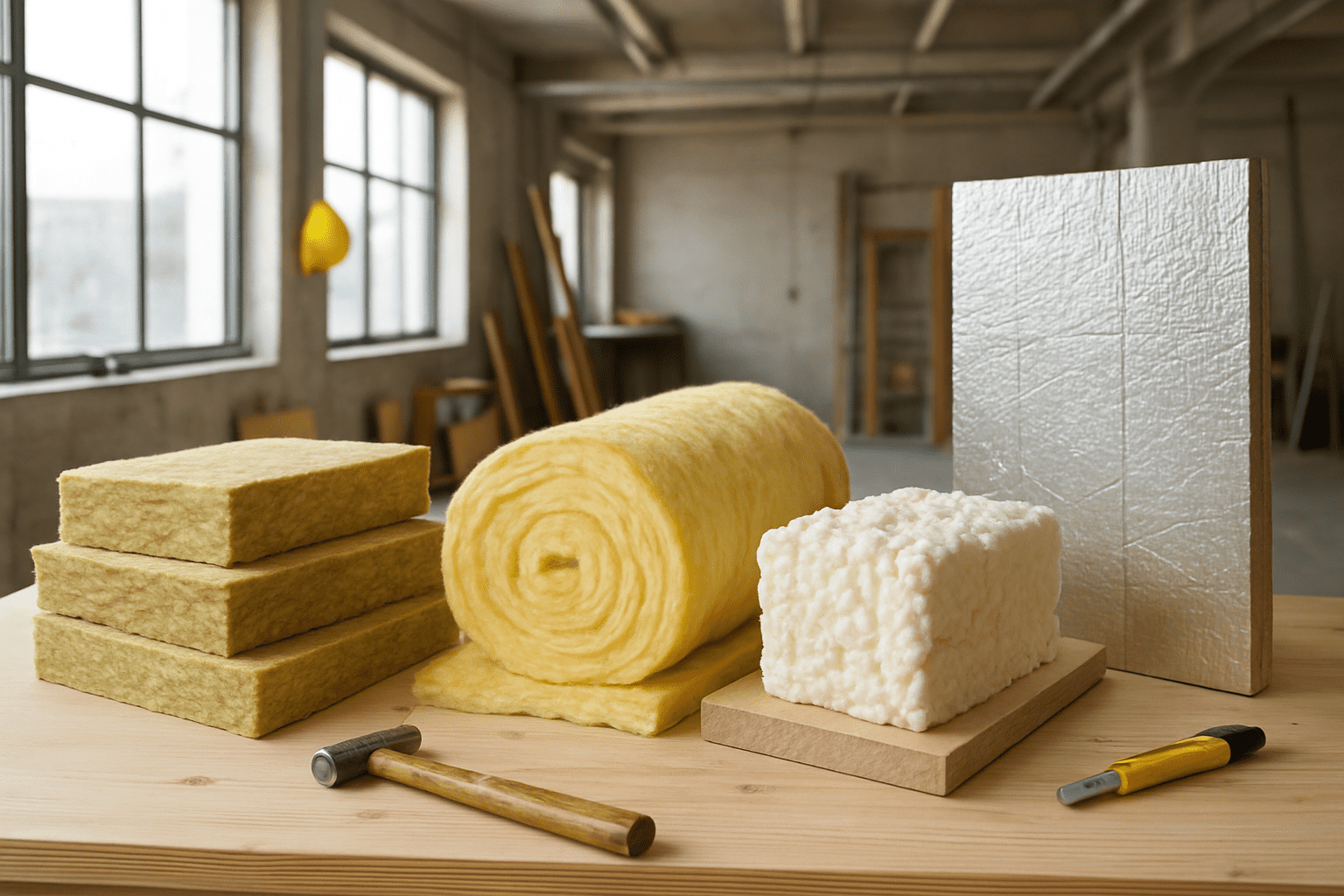
When you’re looking for superior fire protection combined with excellent soundproofing capabilities, mineral wool stands out as your best overall choice. This exceptional insulation material, also known as rock wool or stone wool, is manufactured from molten basalt or industrial slag, giving it remarkable fire-resistant properties that can withstand temperatures up to 1,093°C (2,000°F).
What makes mineral wool particularly valuable for your Toronto home is its non-combustible nature – it will not burn or emit smoke even under extreme heat conditions. Beyond fire safety, you’ll benefit from its water and mold resistance, making it ideal for Canada’s varying climate conditions. The material also provides excellent acoustic insulation, which is perfect if you’re dealing with noise from busy Toronto streets or want to create quieter living spaces within your home.
Your investment in mineral wool pays off through its durability and pest-resistant qualities, ensuring long-term performance without the worry of rodent damage or deterioration over time.
Fire-Rated Fiberglass – Most Budget-Friendly Fire-Resistant Option
If you’re working with a tighter budget but still want fire protection, fire-rated fiberglass insulation offers you the most affordable path to enhanced safety. This Class A fire-rated material features a non-combustible core, making it a practical choice for your fire-resistance needs.
You’ll find this option particularly appealing because it’s widely available across Canada, lightweight, and suitable for DIY installation if you’re comfortable handling the project yourself. However, you need to be aware that paper facings on some fiberglass products can be combustible, so you must ensure these are properly covered by drywall or choose unfaced varieties.
For your Ontario or BC home, unfaced fiberglass is specifically preferred for fire-rated assemblies, aligning with provincial building standards. This makes your selection process clearer while ensuring compliance with local regulations.
Cellular Glass – Premium Non-Combustible Solution for High-Risk Areas
When your property has specific high-risk areas that demand the ultimate in fire protection, cellular glass (Foamglas) represents the premium solution you should consider. This completely non-combustible material is manufactured from recycled glass and carbon, making it both environmentally conscious and exceptionally safe.
Your investment in cellular glass provides multiple benefits beyond fire protection – it’s fireproof, waterproof, and vapor-impermeable. Unlike other materials, it cannot burn, melt, or produce smoke under any circumstances. You’ll also appreciate its excellent thermal bridging protection and resistance to both pests and mold.
This premium option is ideal for specific applications in your property, including flat roofs, foundations, mechanical rooms, and underslab insulation. If you own commercial property or a hybrid residential-commercial building in Toronto, cellular glass becomes particularly valuable for these specialized areas.
Cementitious Foam – Eco-Friendly Fire-Safe Alternative
For your environmentally conscious building project, cementitious foam (Air Krete) offers you an eco-friendly fire-safe alternative that aligns with green building principles. Made from magnesium oxide and air, this non-combustible material will not burn or emit smoke, providing you with reliable fire protection.
You’ll find this option especially suitable if you’re pursuing LEED certification or Passive House standards for your Toronto home. The material is non-toxic and provides excellent sound insulation while maintaining its integrity without shrinking or off-gassing over time.
Cementitious foam becomes particularly valuable when you’re retrofitting older walls without demolition, making it perfect for heritage Toronto homes where preservation of existing structures is important. This application advantage, combined with its eco-friendly credentials, makes it an attractive choice for your sustainable building goals.
Fire Block Spray Foam vs. Standard Spray Foam Insulation
Enhanced Fire Resistance with UL-Rated Protection
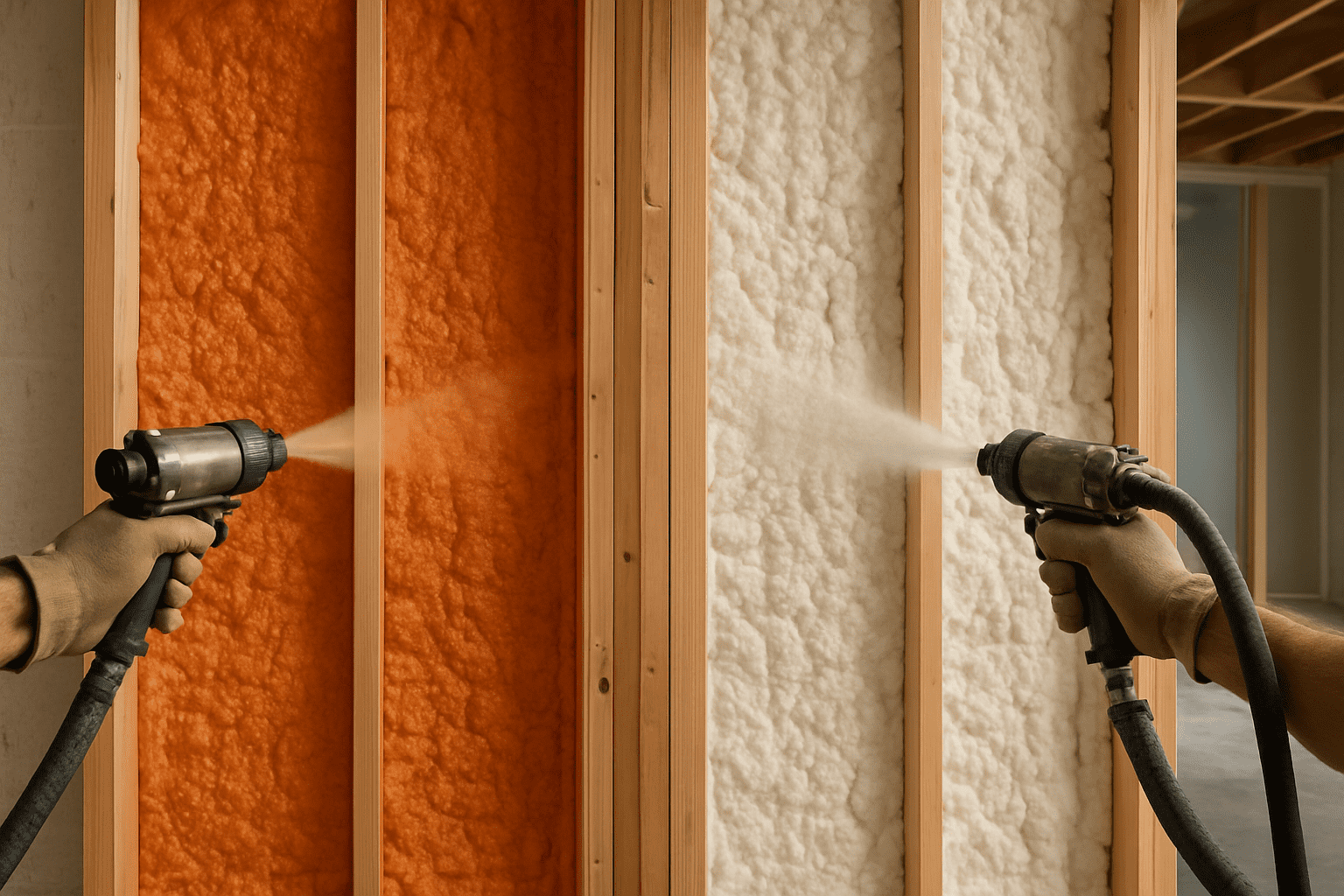
When you’re considering fire block spray foam for your Toronto home, you’ll benefit from its superior fire resistance capabilities compared to standard spray foam. Fire block foam is specifically formulated to resist ignition and significantly slow heat transfer, while standard spray foam can ignite quickly when exposed to flames. This enhanced protection comes from its UL fire-rated foam sealant certifications and strict adherence to ASTM E84 and UL 94 testing standards, achieving a Class A flame-spread rating that you can trust.
The closed-cell formula offers you an additional safety feature – it self-extinguishes when exposed to flames and forms a protective char layer. This char barrier prevents heat from traveling through concealed spaces in your walls and ceiling areas, giving you valuable time during an emergency situation.
Automatic Building Code Compliance Without Additional Treatments
Your installation process becomes significantly simpler with fire block foam because it already contains the properties needed to meet residential fire-blocking requirements in concealed wall and ceiling spaces. Unlike standard foams that often require you to apply an additional fire-resistant coating to pass building inspections, fire block foam ensures automatic compliance with Toronto’s building codes. This saves you both time and money during your renovation or construction project, eliminating the need for secondary treatments.
Superior Air Sealing and Energy Efficiency Benefits
As a closed-cell spray foam, fire block foam delivers exceptional air sealing benefits for your home by expanding to fill voids and prevent unwanted airflow. This superior sealing capability directly reduces your heating and cooling costs throughout Toronto’s varying seasons. You’ll also appreciate the stronger vapor resistance compared to open-cell foams, which significantly reduces condensation and mold risks in your home’s structure.
The higher R-value per inch that you get with fire block foam translates to long-term energy savings and reduced strain on your HVAC systems, making it a cost-effective investment for your property.
Added Soundproofing and Structural Reinforcement
Beyond fire protection and energy efficiency, fire block foam enhances your home’s comfort through improved soundproofing. It blocks air pathways that typically allow sound transmission, creating a quieter indoor environment for your family. The closed-cell composition strengthens your wall assemblies by bonding tightly to wood, concrete, and metal surfaces, adding rigidity and resistance to structural movement.
You’ll also benefit from the foam’s inherent resistance to moisture absorption, which protects both your insulation layers and framing materials from humidity damage – a crucial consideration in Toronto’s climate conditions.
Cost Comparison and Budget Planning for Fire-Resistant Insulation
Price Breakdown by Material Type and Installation Method
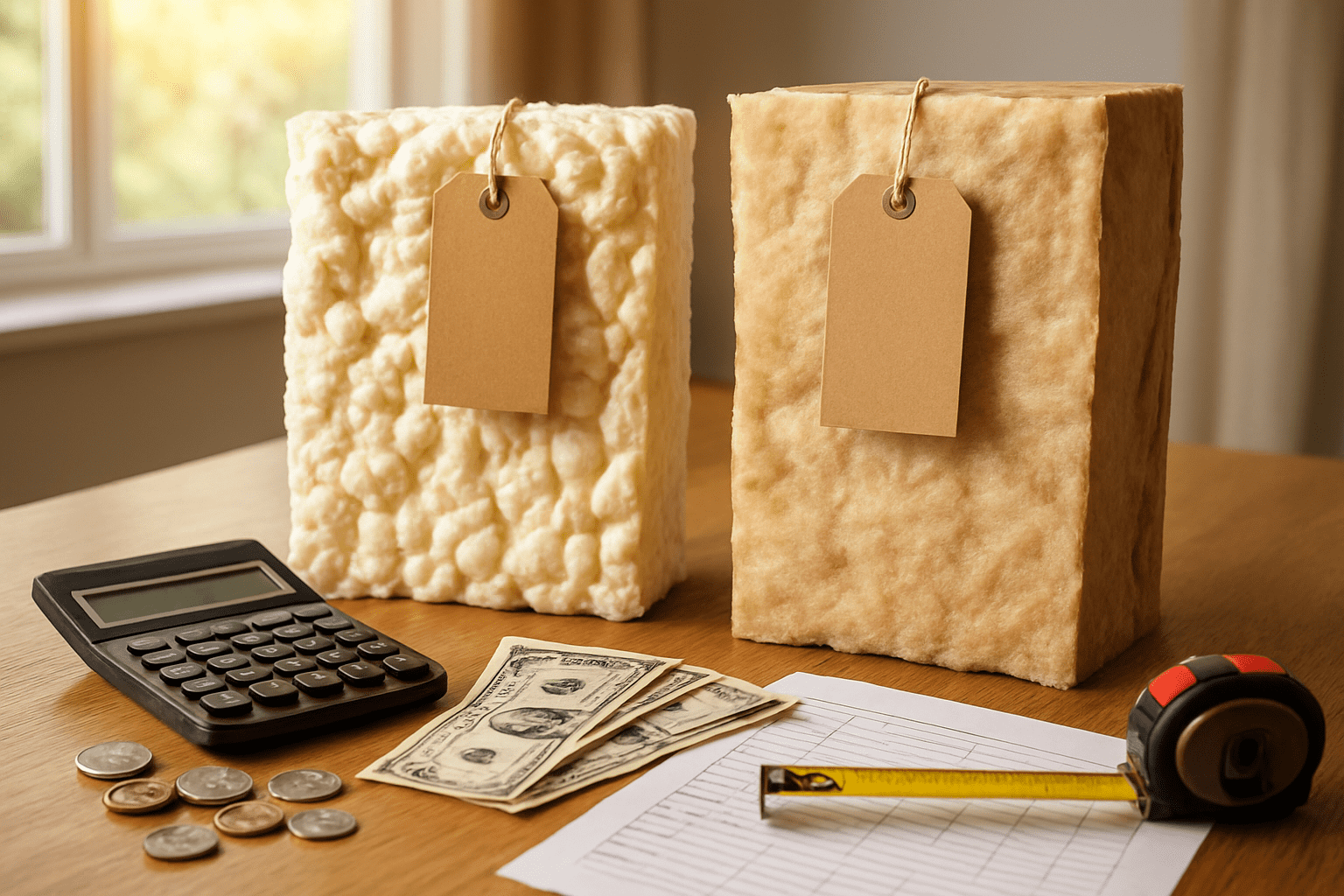
When you’re budgeting for fire-resistant insulation in your Toronto home, understanding the cost per square foot for different materials will help you make an informed decision. Here’s what you can expect to pay for various fire-resistant options:
| Material Type | Average Installed Cost per sq ft |
|---|---|
| Fiberglass Batt Insulation (Fire-Rated) | $2.00 – $3.50 |
| Mineral Wool | $3.00 – $5.00 |
| Rigid Foam Boards (with Fire-Resistant Coating) | $3.50 – $6.50 |
| Fire-Resistant Spray Foam (Closed-Cell) | $4.00 – $7.00 |
| Cementitious or Foamed Glass Insulation | $6.00 – $10.00+ |
As you can see, fire-rated fiberglass batts offer the most budget-friendly option, while specialized materials like cementitious or foamed glass insulation represent the premium end of the market. Your choice will depend on your specific fire safety requirements and budget constraints.
Regional Price Differences Across Canadian Markets
Now that we’ve covered the base material costs, you should also consider how your location affects pricing. If you’re living in Toronto or other major urban centers like Vancouver or Calgary, you’ll typically face higher labor costs compared to smaller communities. This urban premium reflects the higher cost of living and increased demand for skilled contractors in these markets.
Conversely, if you’re in more remote regions of Ontario or other provinces, you might encounter increased material prices due to transportation costs and limited contractor availability. The trade-off is often between higher material costs in rural areas versus higher labor costs in urban centers.
On the positive side, you may be eligible for energy-efficiency grants in Ontario and British Columbia that can help offset your investment when upgrading to high-performance, fire-safe insulation. These provincial incentives can make premium fire-resistant materials more accessible to your budget.
Factors That Affect Final Installation Costs
With this in mind, several specific factors will influence your final installation costs beyond the base material prices. Your home’s accessibility plays a crucial role—if your contractor needs to work in tight spaces or navigate challenging areas in older homes, you’ll need more labor hours, which increases your total investment.
Preparatory work represents another significant cost consideration. If your current insulation needs removal or if your home requires additional vapor barriers, these preliminary steps will add to your total project price. However, this preparatory work is often essential for proper fire-resistant insulation performance.
You should also consider the scale of your project when budgeting. Larger insulation projects generally result in lower per-square-foot rates due to volume discounts. If you’re planning to insulate multiple areas of your home simultaneously, you’ll likely achieve better overall value than tackling smaller sections individually.
Warning Signs Your Home Needs Insulation Upgrades | fireproof spray foam vs fireproof insulation
Rising Energy Bills and HVAC System Strain
If you’ve noticed your heating and cooling costs steadily climbing despite maintaining consistent usage patterns, this could be a clear indicator that your current insulation is failing. When your insulation deteriorates or becomes inadequate, your HVAC system must work significantly harder to maintain comfortable indoor temperatures, directly translating to higher energy expenses on your monthly utility bills.
You’ll likely observe that your HVAC system runs continuously without successfully reaching your desired indoor temperatures. This constant operation signals that your system is overworked and struggling to compensate for heat loss or gain through poorly insulated areas of your home. This not only increases your energy costs but also puts unnecessary strain on your heating and cooling equipment, potentially shortening its lifespan and leading to costly repairs or premature replacement.
Temperature Inconsistencies and Draft Problems
Another telltale sign that your insulation needs upgrading is experiencing uneven temperatures throughout different rooms in your home. You might find that some areas feel uncomfortably warm while others remain chilly, even when your thermostat is set to maintain a consistent temperature throughout your property.
Pay attention to any breezes you feel indoors, even when all doors and windows are securely closed. These drafts indicate air leakage caused by weak or inadequate insulation, particularly around critical areas such as attic hatches, crawlspaces, or rim joists. These air infiltration points allow conditioned air to escape and outdoor air to enter, compromising your home’s thermal envelope and reducing overall energy efficiency.
Moisture Issues, Mold Growth, and Pest Infiltration
Moisture-related problems often reveal underlying insulation deficiencies that require immediate attention. When your insulation begins absorbing water or deteriorating due to moisture exposure, it creates an environment conducive to mold growth, which poses serious health risks to you and your family while also compromising your home’s structural integrity.
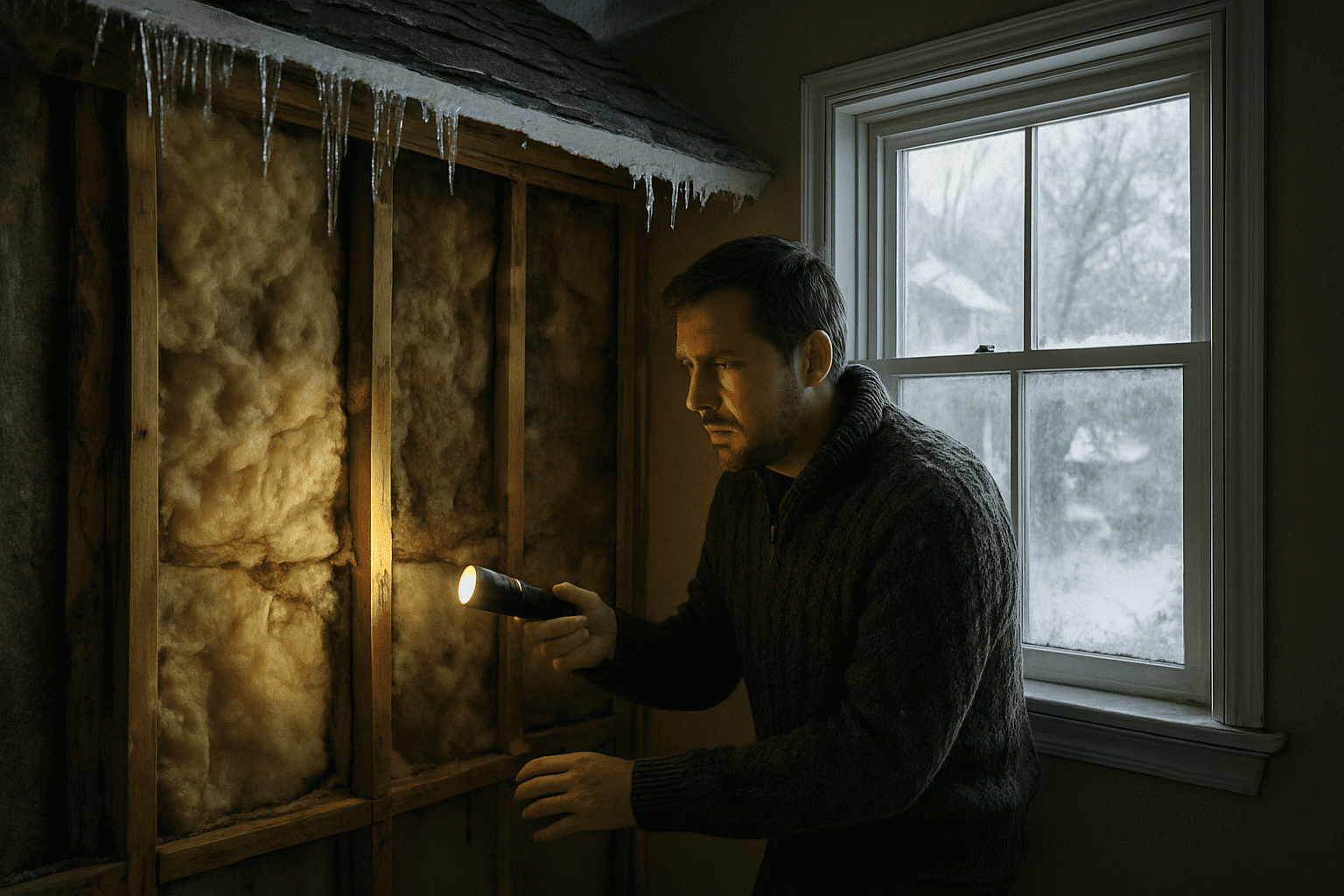
During Toronto’s harsh winters, watch for ice dams forming along your roof edges. These formations indicate that heat is escaping from your attic, melting snow on your roof and creating potentially damaging ice buildup. This heat loss suggests your attic insulation is insufficient or improperly installed.
Additionally, pest infiltration problems can signal that your insulation has degraded over time. Rodents and insects often burrow into old or compromised insulation materials, not only reducing their effectiveness but also creating hygiene concerns and potential fire risks within your home’s structure.
Making the Right Choice for Your Toronto Property
Best Applications for Each Fire-Resistant Material Type
Now that we’ve covered the various fire-resistant insulation options available, it’s crucial to understand where each material performs best in your Toronto home. Mineral wool stands out as your most versatile option, excelling in exterior and interior walls, attics, ceilings, multi-family units, and basements. Its superior fire resistance makes it ideal for areas where maximum protection is essential.
For fire-rated fiberglass, you’ll find it performs exceptionally well in attics, wall cavities, and floors. This material is particularly suited for homes with existing stud spacing and budget-conscious renovation projects where you need reliable fire protection without breaking the bank.
Spray foam with fire retardant becomes your go-to solution for challenging areas like rim joists, crawl spaces, and roofs. You should specifically consider this option for hard-to-insulate spaces where air leaks are a concern, as it provides both thermal and fire protection while sealing gaps effectively.
Cellular glass serves specialized applications in your property, particularly flat roofs, foundations, and mechanical rooms. If your Toronto property falls into industrial buildings or high-risk fire zones, this material offers unmatched performance. You’ll also find it excellent for underslab insulation in commercial or hybrid residential-commercial buildings.
Cementitious foam provides unique advantages when you’re retrofitting old walls without tearing them down. This material is perfect for eco-conscious home builds and educational facilities where fire safety and environmental considerations are paramount.
Insulation Materials to Avoid for Fire Safety
Previously, we’ve discussed optimal fire-resistant materials, but it’s equally important to understand which insulation types you should avoid unless they’re fully encased in non-combustible materials. Your fire safety depends on steering clear of certain problematic materials.
Expanded Polystyrene (EPS) poses significant risks as it melts quickly and emits dangerous smoke when exposed to heat. This rapid melting can compromise your home’s structural integrity and create toxic conditions during a fire emergency.
Extruded Polystyrene (XPS) presents similar dangers, as it burns readily and actively contributes to flame spread throughout your property. The material’s combustible nature can accelerate fire progression, putting your family and property at greater risk.
Open-cell spray foam (untreated) can be highly flammable and should be avoided in your fire safety planning. Unlike its fire-retardant counterpart, untreated open-cell spray foam can ignite easily and burn rapidly, defeating the protective purpose of insulation.
How to Verify Fire Ratings and Certifications
With this in mind, next, you’ll need to verify that your chosen insulation meets proper fire safety standards. You should look for specific certifications such as CAN/ULC S102 or S114, which represent Canadian flammability ratings, and ASTM E84, the U.S. standard for flame and smoke development.
Your primary goal should be ensuring the product has a Class A Rating, which indicates the best fire resistance according to building codes. This rating provides you with the highest level of protection available in residential insulation materials.
Most importantly, you must verify that your chosen insulation product is approved for use under your province’s building code. Ontario’s OBC and BC’s BCBC have specific insulation flame spread limits that your materials must meet. Failing to comply with these regulations can result in code violations and insurance complications, making proper verification essential for your Toronto property’s safety and legal compliance.
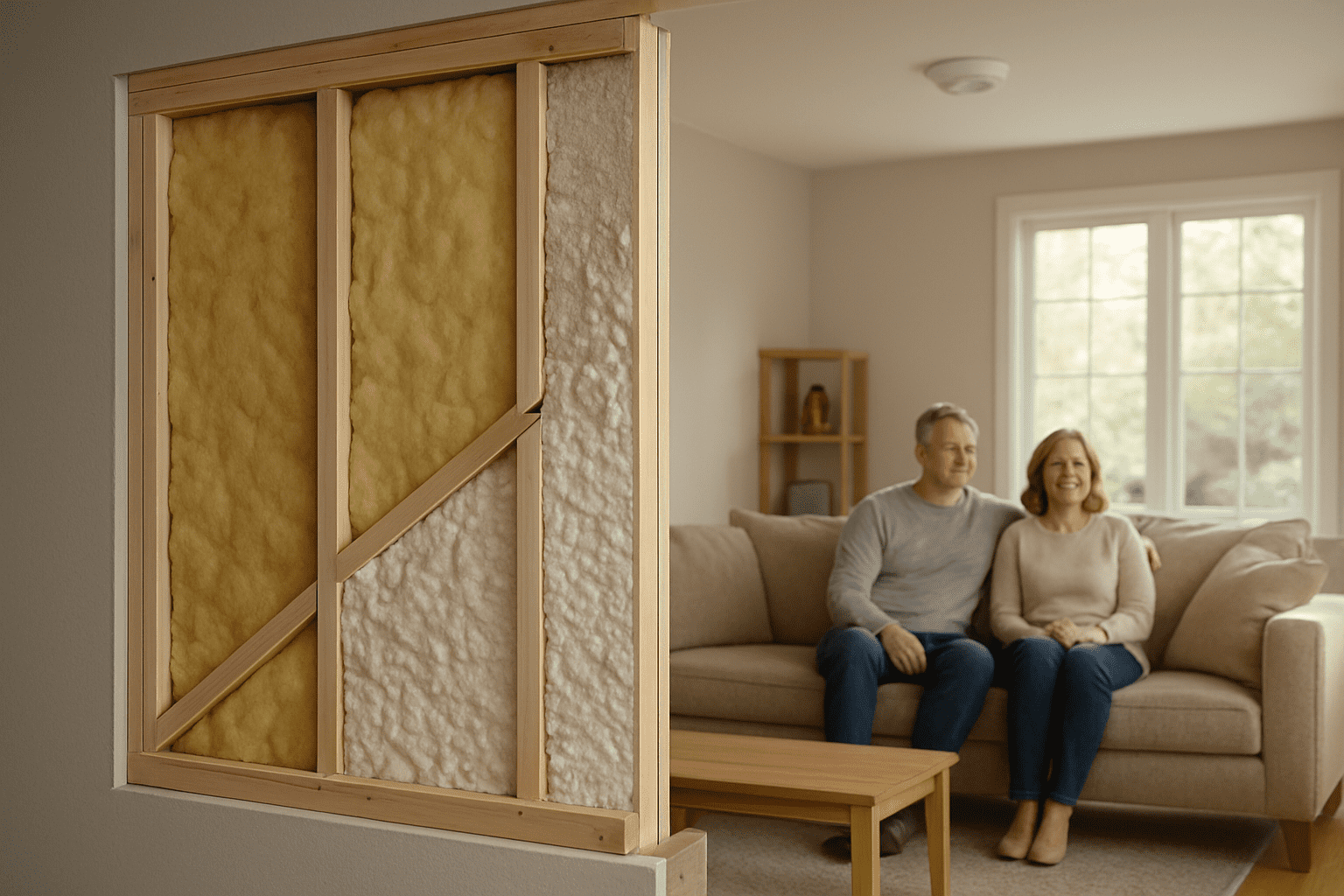
Choosing between fireproof spray foam and traditional fireproof insulation ultimately comes down to your specific needs, budget, and safety priorities. If you’re dealing with hard-to-reach areas, air leaks, or spaces requiring superior thermal performance, fire-resistant spray foam with proper thermal barriers offers excellent value despite the higher upfront cost. For broader applications like attics and walls, mineral wool stands out as the most reliable non-combustible option, providing outstanding fire protection, soundproofing, and moisture resistance at a reasonable price point.
Your home’s safety shouldn’t be left to chance, especially with Toronto’s strict building codes and the increasing frequency of residential fires. Whether you choose mineral wool for its proven track record or fire-resistant spray foam for its superior air-sealing capabilities, investing in proper fireproof insulation protects your family while potentially reducing energy costs and increasing your home’s value. Take the time to get professional quotes from licensed contractors who understand local building requirements—the peace of mind and long-term benefits make fireproof insulation one of the smartest investments you can make for your Toronto property.