
Thinking about spray foam insulation for your Toronto home? You’re not alone – but you need the full picture before you decide.
This guide is for Toronto homeowners who want to understand spray foam insulation disadvantages before making this major investment. While spray foam can deliver excellent energy efficiency, it comes with real downsides that many contractors don’t discuss upfront.
You’ll discover the health and safety risks that could affect your family, plus the installation challenges specific to Toronto’s harsh climate conditions. We’ll also break down the high upfront investment costs and ongoing structural complications that make spray foam a complex choice for Toronto home insulation.
By the end, you’ll know exactly what problems to expect – from potential health concerns to performance limitations in Toronto’s freeze-thaw cycles. Most importantly, you’ll get straight answers about whether spray foam insulation problems Canada homeowners face are worth the risk for your specific situation.
Health and Safety Risks of Spray Foam Insulation
Toxic Chemical Exposure During Installation
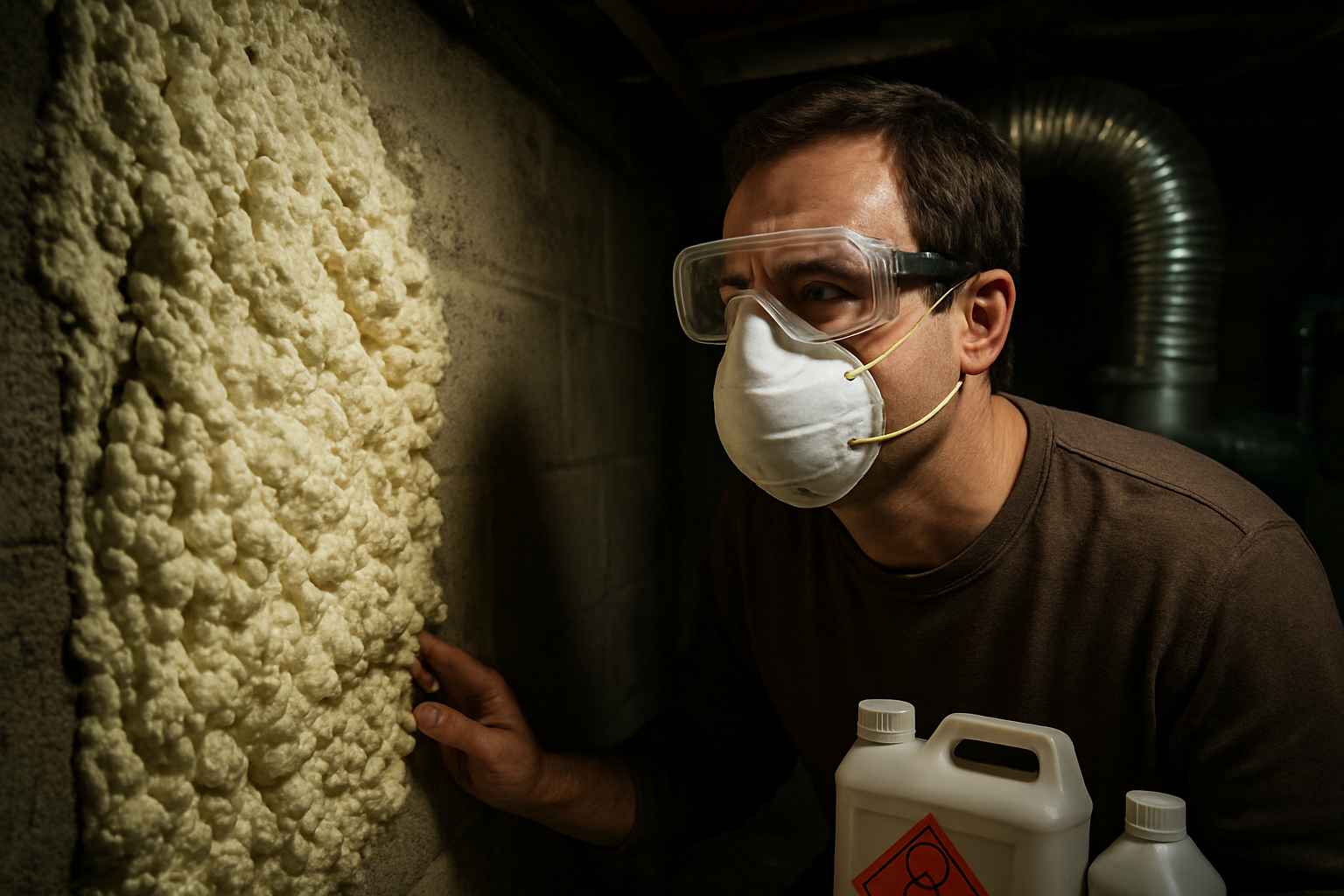
When you’re having spray foam insulation installed in your Toronto home, you’ll be exposed to potentially harmful chemicals. The primary components include diisocyanates, which can cause serious respiratory issues even with short-term exposure. During the spraying process, these chemicals become airborne and can irritate your eyes, nose, and throat. Professional installers typically require you and your family to vacate the premises for 24-48 hours after application, but this doesn’t eliminate all risks. If you’re present during installation or return too early, you might experience headaches, dizziness, or breathing difficulties.
The curing process releases volatile organic compounds (VOCs) that can linger in your home’s air. Workers often wear full protective gear including respirators, which should give you pause about the safety of these materials. If your installer doesn’t follow proper safety protocols or if there’s inadequate ventilation during application, you could face more severe health consequences.
Off-Gassing Issues in Poorly Ventilated Homes
Your home’s ventilation plays a crucial role in managing spray foam insulation health risks. Many Toronto homes, especially older ones, don’t have adequate ventilation systems to handle the off-gassing that occurs after installation. This off-gassing can continue for weeks or even months, releasing chemicals into your indoor air.
If your home is tightly sealed (which is often the goal with spray foam), you might trap these chemicals inside, creating a concerning indoor environment. Symptoms you might notice include:
- Persistent chemical odors
- Eye and throat irritation
- Headaches that worsen at home
- Fatigue and difficulty concentrating
The problem becomes more pronounced during Toronto’s long winter months when you keep windows closed and rely heavily on heating systems. Poor air circulation means these chemicals have nowhere to go except into your lungs.
Respiratory Problems for Sensitive Individuals
If you or your family members have asthma, allergies, or other respiratory conditions, spray foam insulation disadvantages become even more serious. The chemicals used can trigger severe reactions in sensitive individuals, potentially leading to:
- Asthma attacks
- Persistent coughing
- Wheezing and shortness of breath
- Skin rashes and irritation
- Worsening of existing respiratory conditions
Children and elderly family members are particularly vulnerable to these effects. Even if you don’t currently have respiratory issues, prolonged exposure to spray foam chemicals might develop new sensitivities over time. Some Toronto residents have reported developing chemical sensitivities months after installation, requiring them to seek alternative housing or expensive remediation.
Long-Term Indoor Air Quality Concerns
Your indoor air quality can suffer for years after spray foam installation, especially if the product wasn’t applied correctly or if your home lacks proper ventilation. Unlike traditional insulation materials, spray foam creates an airtight barrier that can trap not just heat, but also harmful chemicals and moisture.
Poor installation can lead to ongoing off-gassing that affects your daily life. You might notice that guests comment on chemical smells, or that you feel better when you’re away from home. Some Toronto homeowners have discovered that their spray foam insulation health risks extended far beyond the initial installation period.
The long-term effects aren’t fully understood yet, but some studies suggest potential links to:
- Chronic respiratory issues
- Hormonal disruption
- Neurological symptoms
- Immune system problems
Your home should be a safe haven, not a source of ongoing health concerns. Before choosing spray foam insulation in Toronto, carefully weigh these potential risks against the energy efficiency benefits, and ensure you work with certified installers who prioritize safety protocols.
Can mold grow behind spray foam insulation?
Understanding the Mold Risk Behind Spray Foam
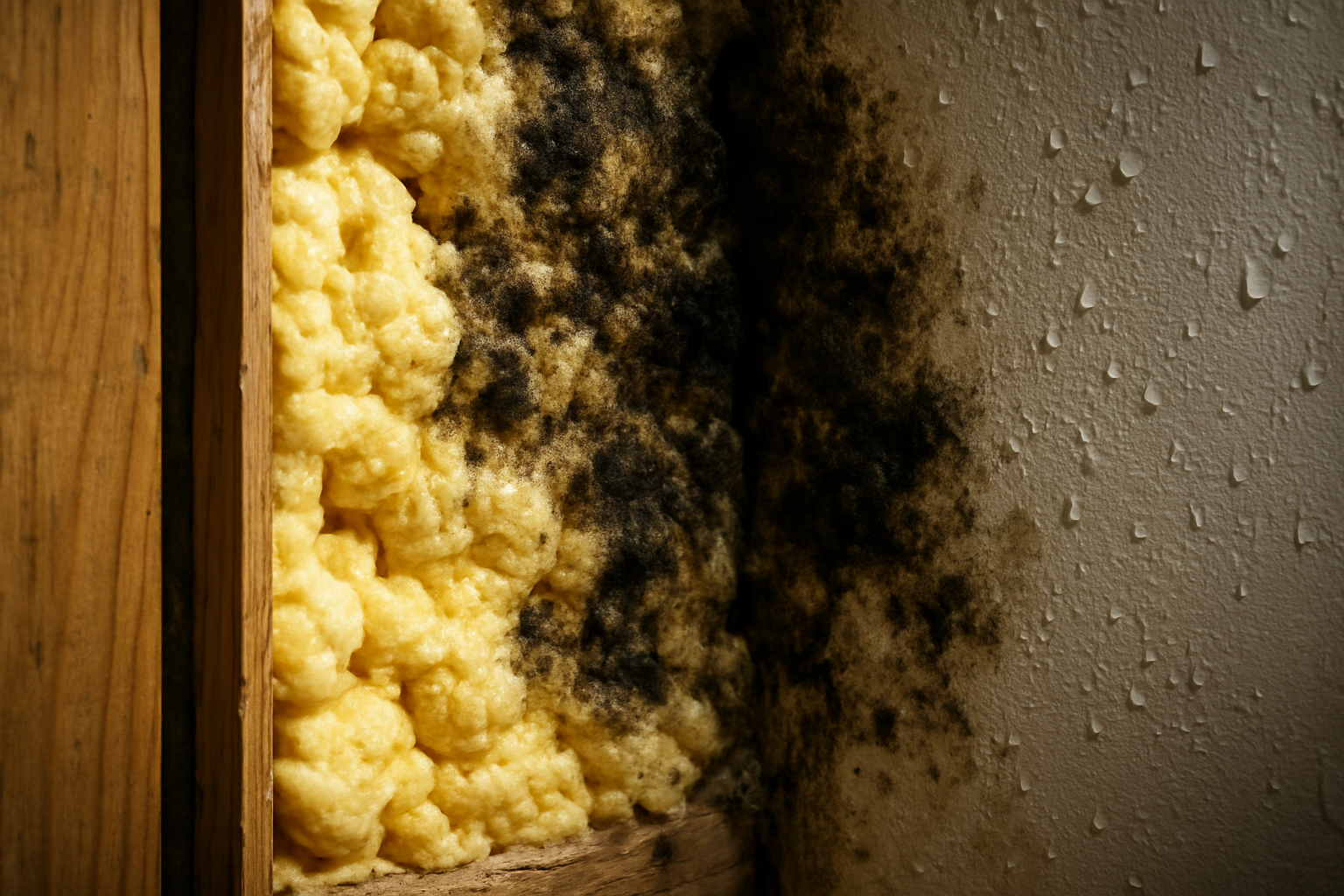
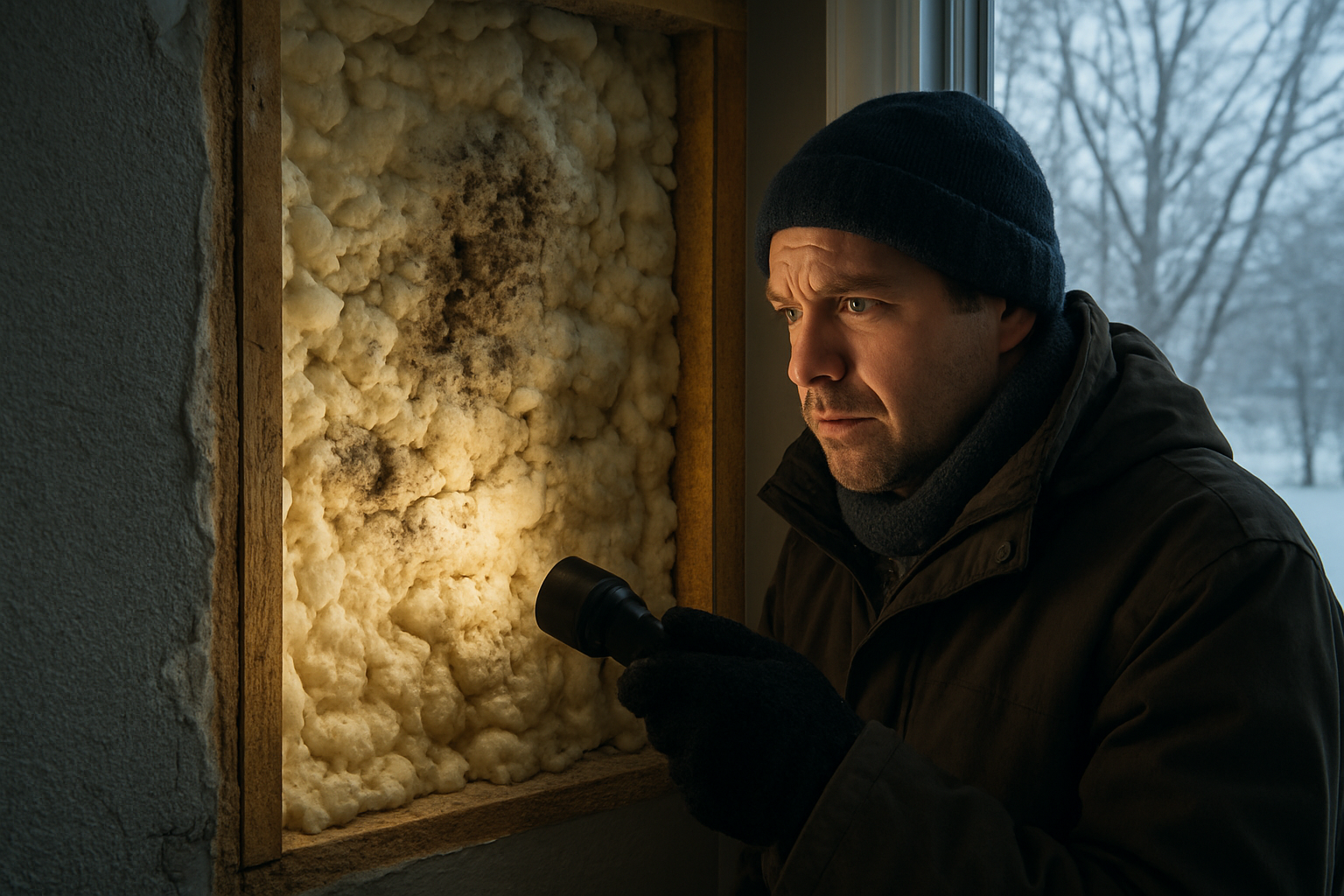
Yes, mold can absolutely grow behind spray foam insulation, and this creates a particularly tricky problem for Toronto homeowners. When you install spray foam insulation, you’re creating what seems like an airtight barrier, but that’s exactly where the trouble begins. If moisture somehow gets trapped behind that foam barrier, you’ve essentially created a hidden breeding ground for mold that you can’t see or easily access.
The real challenge with spray foam insulation problems Canada faces is that once mold starts growing behind the foam, you often won’t know about it until the problem becomes severe. Traditional insulation materials allow for some air movement and visibility, but spray foam seals everything off completely. This means moisture that enters through small gaps in your home’s exterior, plumbing leaks, or condensation issues can become trapped with no way to escape or dry out naturally.
Your Toronto home faces unique moisture challenges that make this risk even more significant. The city’s humid summers combined with cold winters create perfect conditions for condensation problems. When warm, moist air hits cold surfaces behind your spray foam barrier, water droplets form and have nowhere to go. This trapped moisture provides exactly what mold spores need to flourish – dampness and organic materials to feed on.
How Moisture Gets Trapped
Water can find its way behind spray foam through various routes that many homeowners don’t consider. Small cracks in your home’s exterior walls, gaps around windows and doors, or minor roof leaks can introduce moisture into wall cavities. Once that water is behind the spray foam, it stays there because the foam prevents natural ventilation that would normally help dry things out.
Plumbing issues present another major concern for Toronto homeowners with spray foam insulation. A small leak from pipes running through insulated walls can go undetected for months when spray foam blocks access and visibility. By the time you notice water damage on interior walls or ceilings, significant mold growth may have already established itself behind the foam barrier.
Detection and Access Challenges
The biggest problem you’ll face with mold growth behind spray foam insulation is that early detection becomes nearly impossible. With traditional insulation, you might notice musty odors, see water stains, or feel dampness that alerts you to moisture problems. Spray foam blocks these warning signs until the mold problem becomes extensive enough to break through or cause visible damage to your walls.
When mold does grow behind spray foam, addressing the problem requires removing sections of the foam to access affected areas. This process is expensive, messy, and often means you’ll need to replace portions of your insulation system. The spray foam that was supposed to provide long-term protection becomes a barrier that makes mold remediation more difficult and costly.
Professional mold inspection in Toronto homes with spray foam typically requires specialized equipment like thermal imaging cameras and moisture meters to detect problems that aren’t visible to the naked eye. Even then, confirming mold growth often means cutting through the foam barrier, which compromises the insulation’s integrity and effectiveness.
Your best protection against mold growth behind spray foam insulation involves ensuring proper installation by experienced professionals who understand Toronto’s climate challenges and maintaining vigilant monitoring for any signs of moisture intrusion in your home.
Installation Challenges Specific to Toronto Climate
Temperature and Humidity Requirements for Proper Application
Your spray foam installation success in Toronto heavily depends on getting the environmental conditions just right. Most spray foam products require specific temperature ranges between 60-80°F (15-27°C) and relative humidity levels below 85% for optimal application. When these conditions aren’t met, you’ll face serious problems with adhesion, expansion rates, and curing times.
Toronto’s unpredictable weather patterns create a perfect storm for installation headaches. During spring and fall, you’re dealing with rapid temperature swings that can throw off the chemical reaction process. High humidity levels, especially during summer months near Lake Ontario, can cause the foam to cure too quickly or create surface defects that compromise its effectiveness.
You also need to consider that your building materials must be at the right temperature before application begins. Cold walls, floors, or ceilings can prevent proper adhesion, leaving you with gaps and weak spots that defeat the purpose of insulation. This means your installer might need to pre-condition your space, adding time and cost to your project.
The chemical mixing ratios become critical in Toronto’s variable climate conditions. Even slight deviations caused by temperature fluctuations can result in foam that doesn’t achieve its rated R-value or develops structural weaknesses over time.
Winter Installation Limitations and Delays
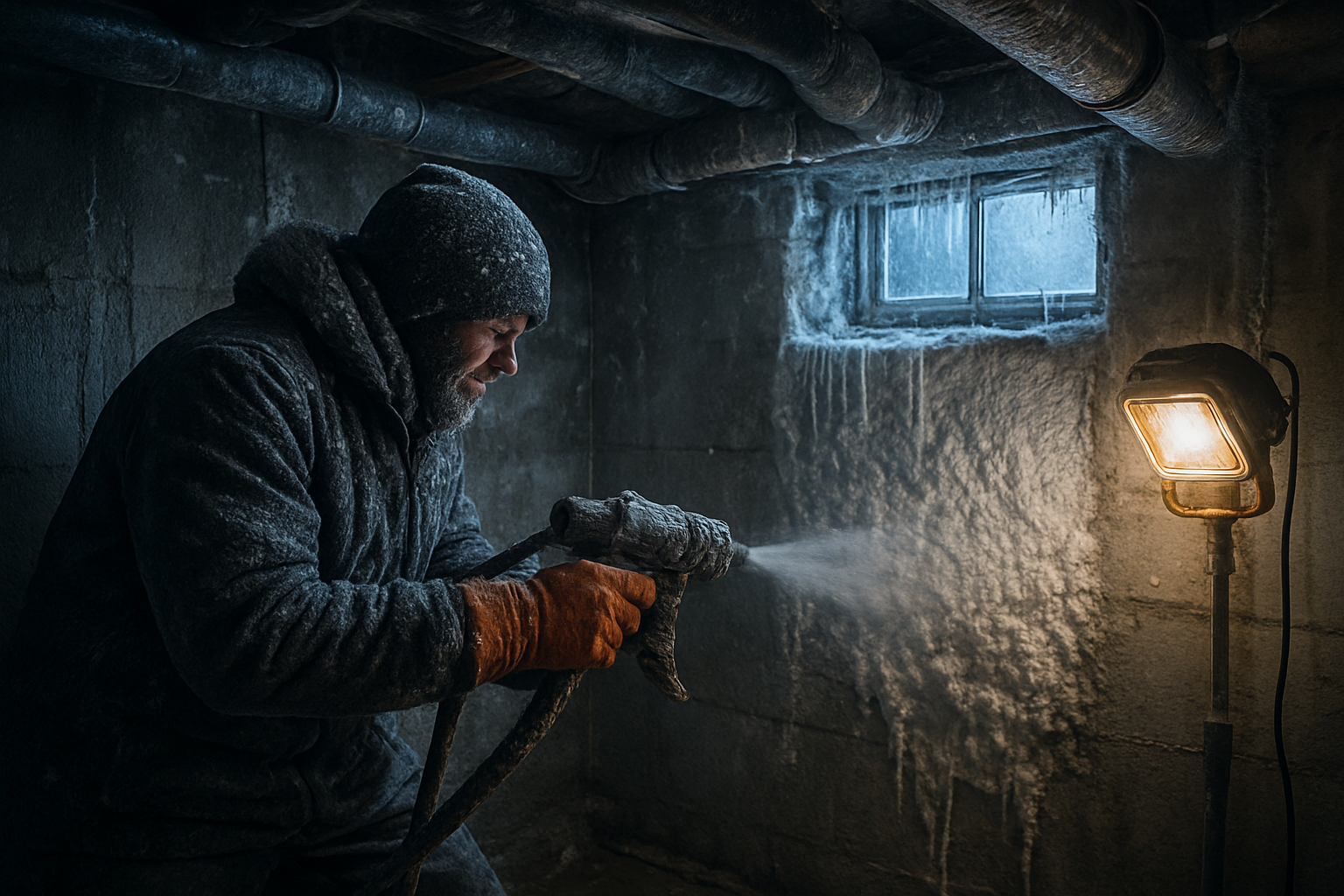
Winter brings the most challenging conditions for spray foam insulation Toronto installations. You can forget about getting quality work done when outdoor temperatures drop below freezing, especially during those brutal Canadian cold snaps that can last for weeks.
Your biggest problem during winter installations is maintaining consistent interior temperatures. The space needs to stay warm enough for proper application, but heating an unfinished area during Toronto’s harsh winters becomes expensive and difficult. Many contractors will simply refuse to work in these conditions, leaving you waiting until spring.
Even if you find someone willing to tackle a winter installation, you’re looking at significant delays and complications. Equipment takes longer to warm up, materials need special storage considerations, and the curing process slows down dramatically. What should be a one-day job can stretch into multiple visits, increasing your costs and inconvenience.
You’ll also discover that many spray foam insulation problems Canada residents experience stem from rushed winter installations. When contractors feel pressured to work in less-than-ideal conditions, quality suffers. Poor mixing, inadequate coverage, and improper curing become common issues that you won’t notice until months later when your energy bills don’t improve as expected.
Finding Qualified Installers in the GTA Market
Your search for qualified spray foam installers in the Greater Toronto Area reveals a frustrating reality: there aren’t enough experienced professionals to meet demand. This shortage drives up prices and forces you to choose between waiting months for a reputable installer or settling for someone with questionable experience.
The spray foam industry attracts many contractors who see it as easy money, but proper installation requires specialized training and expensive equipment. You’ll encounter plenty of general contractors claiming they can handle spray foam work, but lack the specific knowledge needed to avoid common Toronto insulation installation issues.
Verifying credentials becomes your responsibility, and it’s not straightforward. You need to check for proper licensing, insurance coverage, manufacturer certifications, and references from recent local projects. Many installers skip important steps like air sealing preparation or fail to achieve proper thickness consistency, problems you won’t discover until it’s too late.
The competitive market also means some contractors cut corners to win bids. You might receive quotes that seem too good to be true – and they usually are. These low-ball estimates often exclude critical preparation work or use inferior materials that won’t perform in Toronto’s climate extremes.
Your best protection involves getting multiple detailed quotes, asking specific questions about their experience with similar Toronto homes, and insisting on seeing examples of their recent work. Don’t rush this decision, because fixing spray foam installation mistakes costs far more than getting it right the first time.
High Upfront Investment Costs

Premium Pricing Compared to Traditional Insulation Methods
When you’re exploring spray foam insulation costs Toronto, you’ll quickly discover that this premium option comes with a significantly higher price tag than conventional alternatives. While fiberglass batts typically cost between $0.40 to $1.50 per square foot, spray foam insulation ranges from $3.00 to $7.00 per square foot for open-cell and $4.00 to $8.50 per square foot for closed-cell varieties.
Your budget will feel the impact when you compare materials across different insulation types:
| Insulation Type | Cost per sq ft | R-Value per inch |
|---|---|---|
| Fiberglass Batts | $0.40 – $1.50 | 3.2 – 3.8 |
| Cellulose | $1.20 – $2.80 | 3.6 |
| Open-Cell Spray Foam | $3.00 – $7.00 | 3.5 – 4.0 |
| Closed-Cell Spray Foam | $4.00 – $8.50 | 6.0 – 7.0 |
Your project costs multiply quickly when covering larger areas like basements, attics, or entire home exteriors. A typical 2,000 square foot Toronto home might require $6,000 to $17,000 for spray foam versus $800 to $3,000 for traditional fiberglass insulation.
Additional Equipment and Labor Requirements
Your spray foam insulation Toronto project demands specialized equipment and highly trained professionals, which drives up costs beyond material expenses. Unlike traditional insulation that you might even install yourself, spray foam requires industrial-grade equipment including heated hoses, spray guns, compressors, and protective gear.
Professional installers need extensive certification and ongoing training to handle the complex chemical mixing and application process safely. You’ll pay premium rates for these skilled technicians, often $75 to $125 per hour compared to $40 to $65 for traditional insulation installers.
Your project timeline also extends due to equipment setup and curing requirements. Installers must:
- Transport and set up heavy mixing equipment
- Allow proper curing time between coats
- Conduct thorough cleanup with specialized solvents
- Perform quality control testing
Weather conditions significantly impact scheduling in Toronto’s climate, potentially causing delays that increase labor costs as crews may need to return multiple times to complete your project.
Permit and Inspection Fees in Toronto
Your spray foam installation project in Toronto requires navigating the city’s building permit system, adding unexpected costs to your budget. The City of Toronto typically requires building permits for major insulation upgrades, especially when they involve structural modifications or affect fire-rated assemblies.
Building permit fees vary based on your project’s scope and property value, generally ranging from $150 to $500 for residential insulation projects. You’ll also face inspection fees of approximately $100 to $200 per required inspection, which may include:
- Pre-installation inspection for preparation work
- Mid-installation inspection for coverage verification
- Final inspection for code compliance
Your project may require additional permits if you’re modifying electrical systems, ventilation, or structural elements during the insulation process. Toronto’s strict fire code requirements often mandate specific spray foam formulations and installation methods, potentially requiring specialized inspectors familiar with foam insulation applications.
The permit approval process can take 2-4 weeks, delaying your project start date and potentially increasing costs if you’ve already scheduled contractors or equipment rentals.
Potential Cost Overruns for Complex Projects
Your spray foam installation project can quickly exceed initial estimates due to unforeseen complications common in Toronto’s diverse housing stock. Older homes, which make up a significant portion of Toronto’s residential properties, often present challenges that drive up costs substantially.
Hidden issues you might encounter include:
- Asbestos-containing materials requiring professional remediation ($2,000-$8,000)
- Electrical wiring modifications for safe foam application ($500-$2,500)
- Structural repairs needed before installation ($1,000-$5,000)
- HVAC system adjustments due to changed air flow patterns ($800-$3,000)
Your project complexity increases with multi-story homes, heritage properties, or buildings with unique architectural features. Accessing difficult areas like cathedral ceilings, crawl spaces, or irregular wall cavities requires additional time and specialized techniques.
Toronto’s building codes may require design modifications during installation, particularly regarding fire ratings and vapor barriers. These changes can add 15-30% to your original quote, especially when dealing with spray foam insulation disadvantages that become apparent during the installation process.
Quality control issues also contribute to overruns. If sections require reapplication due to improper mixing ratios or application errors, you’ll face additional material and labor costs while dealing with project delays.
Structural and Maintenance Complications
Difficulty Accessing Electrical and Plumbing Systems
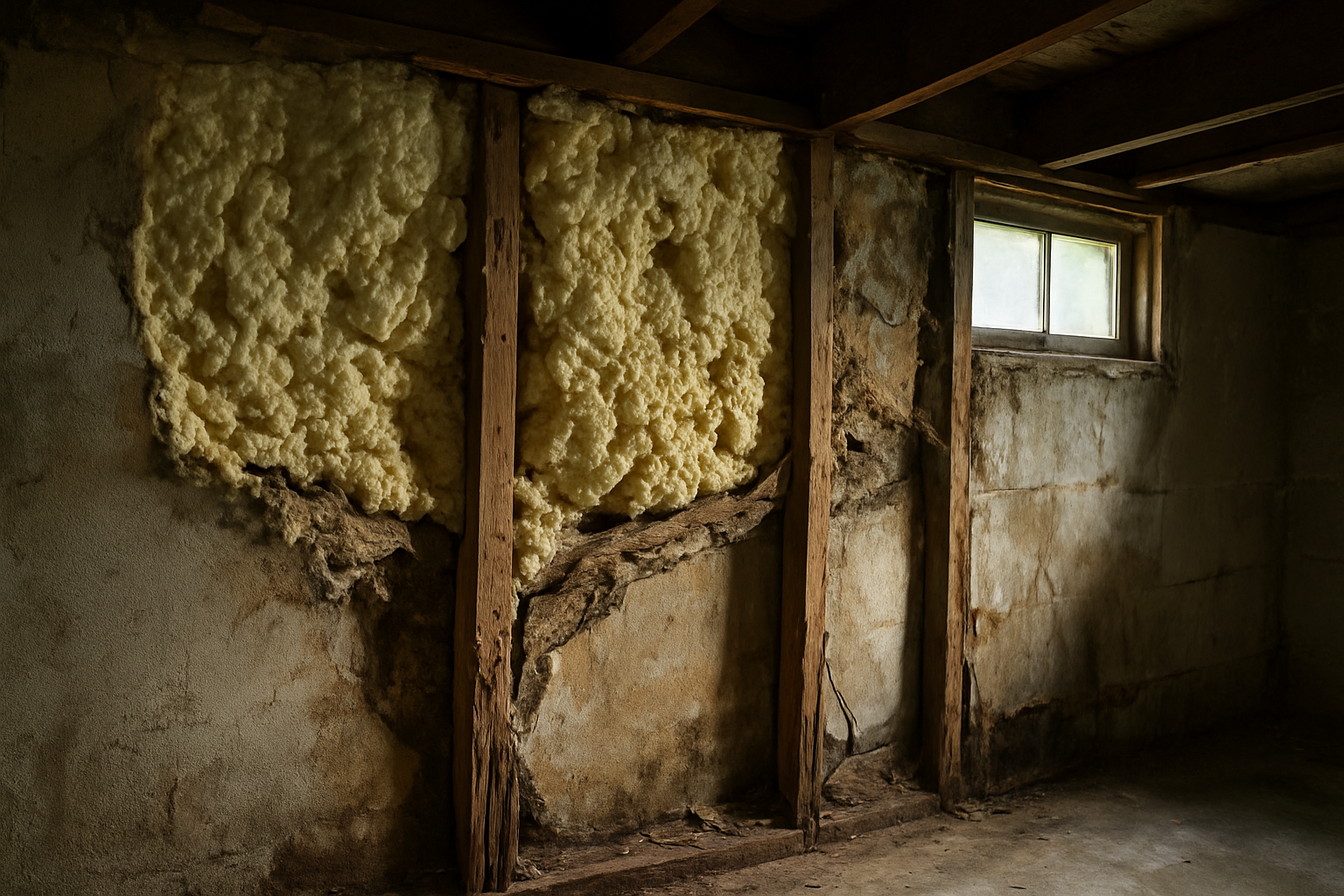
When you install spray foam insulation Toronto homeowners often discover a major headache down the road – you can’t easily access your electrical wires, plumbing pipes, or HVAC components anymore. The foam creates an incredibly tight seal around these systems, which sounds great for energy efficiency, but becomes a nightmare when something needs repair.
Picture this: your kitchen sink starts leaking behind the wall, or you need to add a new electrical outlet. With traditional insulation, your contractor can simply move the material aside, make the repair, and put everything back. With spray foam, you’re looking at cutting through the hardened foam, which often means damaging it beyond repair. You’ll need to remove significant sections and then re-insulate those areas once the work is done.
Your electrical systems become particularly problematic because Toronto’s electrical codes require periodic inspections and updates. When you can’t see or access your wiring easily, even routine maintenance becomes expensive. Many electricians charge extra for spray foam insulation problems Canada because they know the job will take longer and require additional cleanup.
The foam also makes it nearly impossible to fish new wires through walls for home automation systems, additional outlets, or updated electrical panels – all common upgrades in Toronto homes.
Roof Deck Moisture Trapping Issues
Your roof deck faces serious risks when spray foam insulation gets installed improperly in Toronto’s climate. The foam creates such an effective vapor barrier that any moisture getting into your roof assembly can’t escape. This trapped moisture leads to rot, mold growth, and structural damage that you might not notice until it’s extensive and expensive to fix.
Toronto’s freeze-thaw cycles make this problem worse. When moisture gets trapped between your roof sheathing and the spray foam, it can freeze and expand during winter, causing the wood to crack or warp. During warmer periods, this moisture creates perfect conditions for mold and fungus growth.
You’ll find that many roofing contractors in Toronto have horror stories about removing spray foam insulation and discovering severely damaged roof decking underneath. The wood often needs complete replacement, turning what should be a simple roof repair into a major structural project.
Your roof ventilation also becomes compromised because spray foam can block soffit vents and ridge vents if not installed with proper attention to airflow patterns. This reduces your roof’s ability to shed heat and moisture naturally, creating a cycle of problems that gets worse over time.
Challenges with Future Home Renovations
Your renovation plans become significantly more complicated and expensive with spray foam insulation. Toronto homeowners frequently underestimate how limiting this material can be when they want to reconfigure spaces, add rooms, or update their homes.
Removing spray foam for renovations isn’t like pulling out fiberglass batts. You need specialized equipment and often professional removal services. The process creates dust and debris, requires protective equipment, and can take much longer than anticipated. Many Toronto insulation installation issues stem from contractors not warning homeowners about these future limitations.
When you want to finish a basement, add a bathroom, or create an open floor plan, the spray foam becomes a major obstacle. You can’t simply cut through walls and reroute utilities without dealing with the insulation first. This adds substantial costs to any renovation project and often requires you to re-insulate large areas.
Your home’s resale value can also be affected because many contractors prefer working with homes that have removable insulation. Some renovation companies in Toronto actually charge premium rates for projects involving spray foam removal, and some smaller contractors won’t take on these jobs at all. This limits your options and increases costs when you’re ready to update or sell your home.
Performance Limitations in Toronto’s Climate
Thermal Bridging Through Framing Members
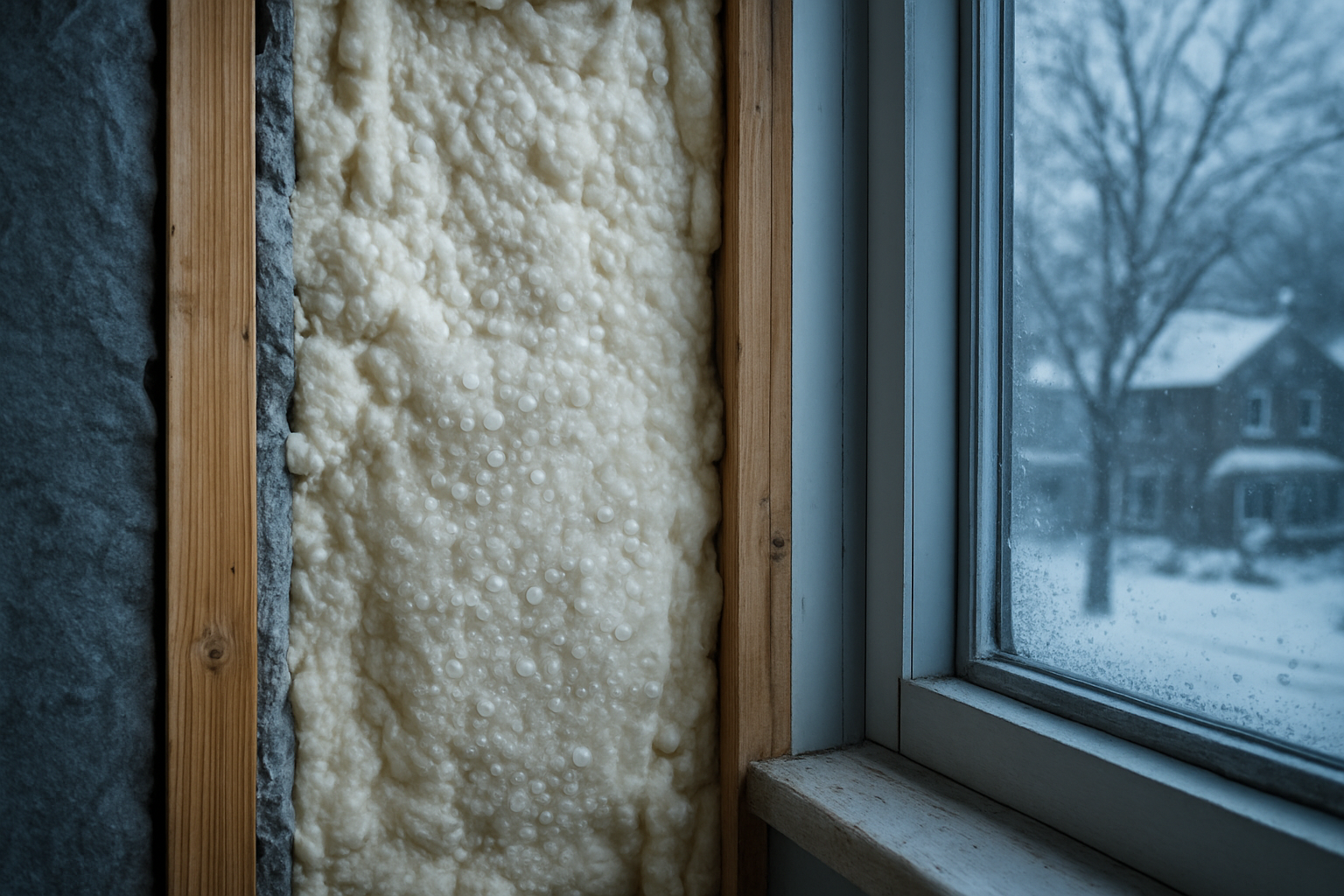
Your spray foam insulation in Toronto might not perform as well as you expect due to thermal bridging issues. When you apply spray foam around wooden or steel framing members, these structural elements act like highways for heat transfer, bypassing your insulation completely. Wood framing conducts heat about three times faster than spray foam insulates, while steel framing creates even more dramatic energy loss.
This becomes particularly problematic during Toronto’s harsh winters when temperature differences between indoor and outdoor spaces can exceed 40°C. Your heating bills stay high because heat continuously flows through these structural weak points, regardless of how well your spray foam insulation Toronto installation covers the cavity spaces. The problem gets worse with steel stud construction, which many Toronto condos and commercial buildings use.
Air Leakage Around Penetrations and Joints
You’ll discover that spray foam doesn’t always create the perfect air seal you were promised. Around electrical outlets, plumbing penetrations, and structural joints, small gaps often remain that allow air infiltration. Toronto’s windy conditions, especially during winter storms, push cold air through these microscopic openings with surprising force.
Your spray foam contractor might miss areas around:
- Electrical boxes and switches
- Pipe and ductwork penetrations
- Window and door frames
- Structural beam connections
- HVAC system components
These air leaks reduce your insulation’s effectiveness and create uncomfortable drafts throughout your home. You’ll notice cold spots near these penetrations, even with professionally installed spray foam.
Degradation Over Time in Freeze-Thaw Cycles
Toronto’s climate puts tremendous stress on your spray foam insulation through repeated freeze-thaw cycles. Your insulation expands and contracts with temperature swings that can range from -25°C in January to +35°C in July. This constant movement gradually breaks down the foam’s cellular structure.
Over 10-15 years, you’ll notice:
- Shrinkage away from framing members
- Cracking along stress points
- Loss of adhesion to substrates
- Reduced R-value performance
- Increased air infiltration
The spray foam insulation disadvantages become more apparent as your system ages, requiring maintenance or replacement sooner than expected in Toronto’s demanding climate conditions.
Reduced Effectiveness in Extreme Cold Conditions
Your spray foam insulation’s thermal performance drops significantly when Toronto temperatures plummet below -20°C. The foam’s R-value per inch decreases as temperatures fall, meaning your insulation provides less thermal resistance exactly when you need it most during those brutal February cold snaps.
Closed-cell spray foam performs better than open-cell in extreme cold, but both types lose effectiveness compared to their rated values. You might notice higher energy bills during extended cold periods, even with quality spray foam installation. The problem compounds when your heating system works harder to maintain comfort, creating larger temperature differentials across the insulation.
Moisture Management Challenges in Humid Summers
Toronto’s humid summers create unique moisture management problems for your spray foam insulation. When outdoor humidity levels reach 80-90% during July and August heat waves, moisture can become trapped within wall assemblies if your vapor barrier strategy isn’t perfect.
Your spray foam acts as both insulation and vapor barrier, but this dual function can backfire during Toronto’s muggy summer months. Moisture that enters your wall system from the exterior has difficulty drying out, potentially leading to:
- Condensation behind the foam
- Moisture accumulation in wall cavities
- Potential mold growth conditions
- Structural wood moisture issues
- Paint and finish problems on interior walls
You’ll need excellent mechanical ventilation and humidity control to prevent these spray foam climate performance issues from affecting your home’s comfort and durability.
Spray foam insulation comes with real challenges you need to think through before making your decision. The health risks during installation, the tricky application in Toronto’s unpredictable weather, and those steep upfront costs can add up to significant headaches. You’re also looking at potential structural issues down the road, plus the reality that even the best spray foam might not perform as expected when Toronto’s extreme temperature swings put it to the test.
The mold question is especially important – yes, moisture can still find ways to get trapped behind spray foam, creating perfect conditions for mold growth that you won’t even see until it becomes a bigger problem. Before you commit to spray foam, get multiple quotes, ask tough questions about the installer’s experience with Toronto homes, and make sure you understand exactly what you’re signing up for. Your home is too important to rush into any insulation decision without doing your homework first.