
The Ontario Fire Code is a constantly evolving set of regulations designed to protect lives and property from the devastating effects of fire. Staying ahead of these changes is crucial for commercial building owners and managers. With the 2026 updates on the horizon, understanding the new requirements and how they impact your building is paramount. This post will break down the key updates, focusing on insulation, fire resistance, and other critical aspects, with specific attention to how they affect commercial buildings in Ontario, particularly within the Toronto and GTA region.
The Short Answer
The Ontario Fire Code updates for 2026 will likely bring increased stringency regarding fire-resistance ratings for building materials, particularly insulation, and enhanced requirements for fire detection and suppression systems. In Ontario, these changes aim to align with modern building practices and improve overall fire safety, potentially impacting the cost of new construction and renovations. Expect to see updates to O. Reg 332/12 (Building Code) referred to within the Fire Code.
Key Areas of Focus in the 2026 Updates
Increased Fire-Resistance Ratings for Insulation
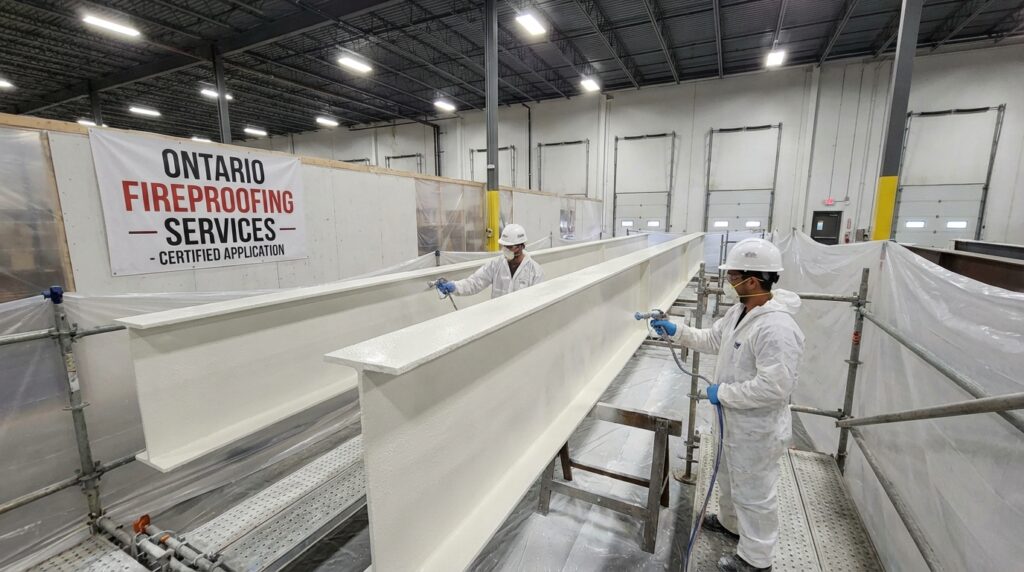
One of the most significant anticipated changes revolves around the fire-resistance ratings required for insulation materials. The current Ontario Building Code (OBC) already specifies stringent requirements for insulation, but the 2026 updates are expected to further refine these regulations, particularly for commercial buildings. This means a greater emphasis on using insulation materials with higher flame spread ratings and smoke developed classifications.
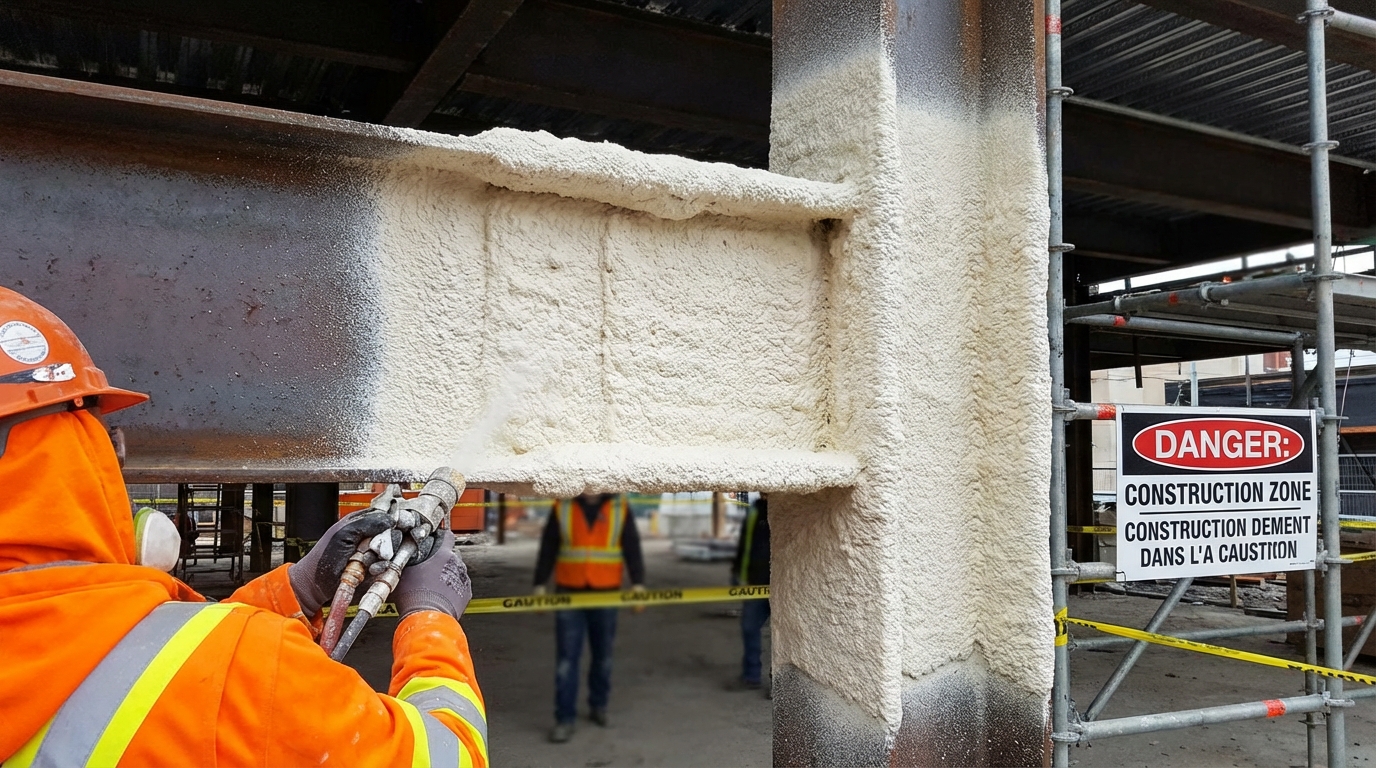
For example, consider a commercial building in downtown Toronto requiring insulation for its exterior walls. Currently, depending on the building’s height and occupancy, the OBC might permit the use of certain types of spray foam insulation with specific flame spread and smoke development ratings. However, the 2026 updates could mandate the use of only Class A materials, potentially requiring the application of intumescent coatings or the selection of inherently fire-resistant insulation options like mineral wool. This can significantly impact material costs and installation time.
CAD Costs: The cost difference between standard spray foam and fire-rated alternatives can be substantial. Standard closed-cell spray foam might cost approximately $3-$5 per board foot installed, while fire-rated spray foam or mineral wool with comparable R-value could range from $6-$10 per board foot installed. Intumescent coatings, if required, can add another $2-$4 per square foot.
Ontario Codes: Refer to the Ontario Building Code, specifically Section 3.1.5. Fire-Resistance Ratings, and Section 9.10.13. Fire Protection of Foamed Plastics, to understand the current requirements. The 2026 updates will likely amend these sections, so staying informed about the proposed changes is crucial. Also, be aware of CAN/ULC-S102, Standard Method of Test for Surface Burning Characteristics of Building Materials and Assemblies.
You can find more information about different types of insulation on our spray foam insulation page.
Enhanced Fire Detection and Suppression Systems
Beyond insulation, the 2026 updates are expected to address fire detection and suppression systems. This could involve stricter requirements for the installation and maintenance of smoke detectors, sprinkler systems, and fire alarm systems in commercial buildings. The focus will likely be on early detection and rapid suppression to minimize damage and ensure occupant safety.
Consider a large warehouse in Mississauga. Current regulations mandate a specific density of sprinkler heads based on the type of goods stored within the warehouse. The 2026 updates might require higher sprinkler density, the installation of early suppression fast response (ESFR) sprinklers, or the integration of advanced fire detection technologies, such as aspirating smoke detectors, which can detect smoke at a very early stage.
CAD Costs: Upgrading a sprinkler system can involve significant costs. Replacing standard sprinkler heads with ESFR sprinklers can add $50-$100 per head. Installing an aspirating smoke detection system can cost between $5,000 and $20,000, depending on the size and complexity of the building.
Ontario Codes: Consult the Ontario Building Code, Section 3.2.4. Fire Detection, Alarm and Communications Systems, and Section 3.2.5. Fire Suppression Systems. The Ontario Fire Code, O. Reg 332/12, also has specific requirements for the maintenance and inspection of these systems.
Stricter Requirements for Firestopping and Compartmentalization
Firestopping and compartmentalization are critical for preventing the spread of fire and smoke within a building. The 2026 updates are likely to include stricter requirements for sealing penetrations in fire-rated walls and floors, ensuring that these barriers remain effective in containing a fire.
Imagine a multi-story office building in Markham. Every penetration through a fire-rated wall or floor, such as for electrical conduits, plumbing pipes, or HVAC ductwork, must be properly firestopped. The 2026 updates might introduce more rigorous testing and certification requirements for firestopping materials and installation practices, demanding more detailed documentation and inspections.
CAD Costs: The cost of firestopping can vary depending on the size and complexity of the penetration. A typical firestopping application might cost $50-$200 per penetration. However, complex penetrations requiring specialized materials and techniques can cost significantly more.
Ontario Codes: Refer to the Ontario Building Code, Section 3.1.9. Firestopping, and Section 9.10.16. Firestopping and Smoke Leakage Control. Pay close attention to the requirements for firestopping around penetrations in fire-rated assemblies.
Learn more about the importance of proper insulation and sealing on our air sealing service page.
Accessibility and Egress Considerations
Fire safety also encompasses ensuring safe and accessible egress for all occupants, including those with disabilities. The 2026 updates are expected to reinforce requirements for accessible exits, clear signage, and emergency lighting, ensuring that everyone can safely evacuate a building in the event of a fire.
Consider a shopping mall in Brampton. Current regulations mandate a specific number of accessible exits and clear signage directing individuals to these exits. The 2026 updates might introduce more detailed requirements for the design and placement of signage, the width of accessible exits, and the provision of audible and visual alarms for individuals with hearing or visual impairments.
CAD Costs: The cost of improving accessibility can vary widely depending on the existing building design. Adding or modifying exits to meet accessibility requirements can range from a few thousand dollars to tens of thousands of dollars, depending on the scope of the work.
Ontario Codes: Consult the Ontario Building Code, Section 3.8. Egress, and Section 3.7. Accessibility. Pay close attention to the requirements for accessible exits, signage, and emergency lighting.
Material Testing and Certification
The 2026 updates are likely to place increased emphasis on the testing and certification of building materials used in fire-resistant assemblies. This means that manufacturers will need to provide more comprehensive documentation to demonstrate that their products meet the required fire-performance standards.
For example, manufacturers of fire-rated doors and windows will need to provide certification from accredited testing laboratories, demonstrating that their products have been tested according to relevant standards, such as CAN/ULC-S104, Standard Method for Fire Tests of Door Assemblies. The updates may also introduce more stringent requirements for ongoing quality control and auditing of manufacturing processes.
CAD Costs: The cost of testing and certification can add to the overall cost of building materials. While the manufacturer bears the brunt of these expenses, they are ultimately passed on to the consumer. Expect to see a slight increase in the cost of certified fire-resistant materials.
Ontario Codes: The Ontario Building Code references various testing standards, such as CAN/ULC-S102, CAN/ULC-S104, and ASTM E84. Familiarize yourself with these standards to understand the requirements for material testing and certification.
Energy Efficiency and Fire Safety Synergies
While primarily focused on fire safety, the 2026 updates might also indirectly impact energy efficiency. Selecting insulation materials with high R-values that also meet the stringent fire-resistance requirements can contribute to both fire safety and energy conservation. This is particularly relevant in Ontario, where building owners are increasingly focused on reducing their energy consumption and carbon footprint. The Ontario Building Code mandates minimum insulation levels; the Fire Code influences *which* materials can be used to achieve those levels.
Consider a new commercial building aiming for LEED certification in Mississauga. The design team will need to select insulation materials that meet both the energy efficiency requirements of LEED and the fire-resistance requirements of the Ontario Building Code and Fire Code. This might involve using a combination of insulation materials, such as mineral wool and closed-cell spray foam, to achieve the desired performance.
CAD Costs: Investing in high-performance insulation can increase upfront costs but can lead to significant long-term energy savings. Conduct a thorough cost-benefit analysis to determine the optimal insulation strategy for your building.
Ontario Codes: Refer to the Ontario Building Code, Division B, Part 12 – Resource Conservation, for energy efficiency requirements. Also, remember to cross-reference with the fire safety sections discussed above to ensure compliance with both sets of regulations.
Consider a professional attic insulation install to improve your building’s energy efficiency.
FAQ: Ontario Fire Code Updates 2026
Q1: When will the 2026 Ontario Fire Code updates come into effect?
A1: While the exact date is yet to be determined, the updates are expected to be published and take effect sometime in 2026. It’s crucial to monitor official announcements from the Ontario government and relevant regulatory bodies for the precise implementation date.
Q2: How will these updates affect existing commercial buildings?
A2: The impact on existing buildings will depend on the specific nature of the updates. In many cases, existing buildings will be grandfathered, meaning they won’t need to be retrofitted to comply with the new regulations unless significant renovations or alterations are planned. However, some updates might apply retroactively, such as those related to fire detection and suppression systems.
Q3: What are the key differences between the current Ontario Building Code and the expected 2026 updates?
A3: The 2026 updates are expected to introduce stricter requirements for fire-resistance ratings of building materials, enhanced fire detection and suppression systems, and more rigorous firestopping and compartmentalization measures. The specifics will be detailed in the official updates.
Q4: Where can I find the official documentation for the 2026 Ontario Fire Code updates?
A4: The official documentation will be published by the Ontario government, typically through the Ministry of Municipal Affairs and Housing. Keep an eye on their website and subscribe to relevant industry newsletters for updates.
Q5: Should I start planning for these updates now, even though they are not yet in effect?
A5: Absolutely. Proactive planning is essential. Review your building’s fire safety systems, assess the fire resistance of your building materials, and consult with qualified professionals to identify potential areas of non-compliance. This will allow you to budget for necessary upgrades and ensure a smooth transition when the updates come into effect. Contact a qualified insulation contractor today.
Stay Ahead of the Curve
Navigating the complexities of the Ontario Fire Code can be challenging. By understanding the potential changes coming in 2026, you can proactively prepare your commercial building and ensure the safety of its occupants. Don’t wait until the last minute – start planning today!
Need help with your commercial insulation or fireproofing needs? Contact us today for a free consultation!
Call Spray Foam Kings at 647-641-6881.
Author: Shaun Falls, Owner & Founder