
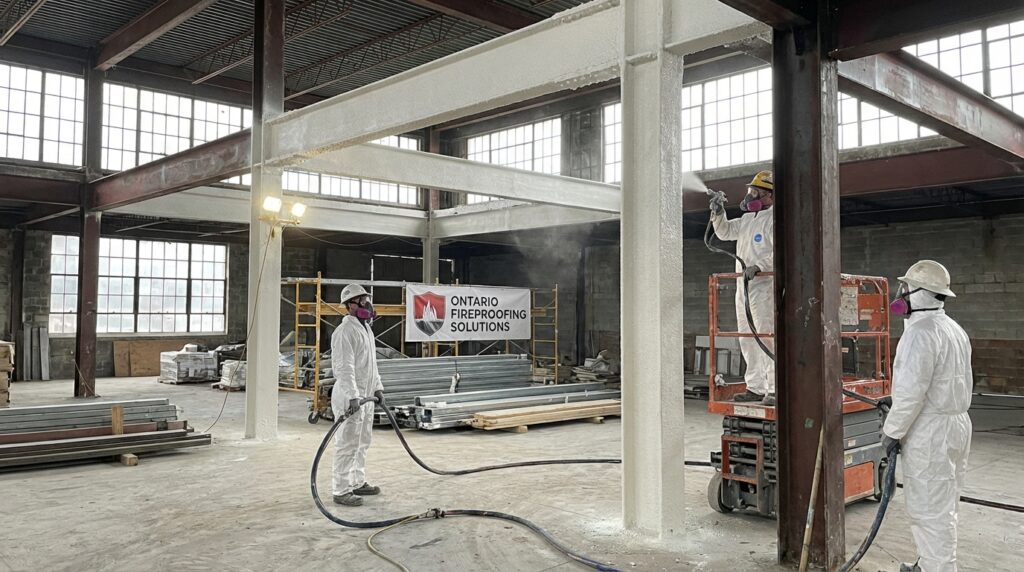
Ensuring the safety of occupants is paramount in any building design and construction. In Ontario, this translates directly to strict adherence to the Ontario Building Code (OBC), particularly concerning fire separation. Fire separation aims to compartmentalize a building, slowing the spread of fire and providing valuable time for evacuation and fire suppression. This post will delve into the critical aspects of fire separation requirements for Ontario buildings, providing a comprehensive overview for homeowners, builders, and anyone involved in construction or renovation projects within the province.
The Short Answer
Fire separation in Ontario buildings, mandated by the Ontario Building Code (OBC), involves constructing fire-resistant barriers to slow fire spread. This often includes using materials with specific fire-resistance ratings (FRR) measured in hours, like 1-hour or 2-hour ratings, depending on the building type and occupancy. Implementing these measures can add anywhere from a few hundred to several thousand Canadian dollars to a project, depending on the scope and materials used.
Understanding Fire Separation in the Ontario Building Code (OBC)
What is Fire Separation?
Fire separation, as defined by the OBC, refers to the construction of fire-resistant barriers within a building to restrict the spread of fire and smoke. These barriers are designed to compartmentalize the building, creating protected zones that can contain a fire for a specified duration. This containment provides occupants with more time to evacuate safely and allows firefighters to effectively combat the blaze. Fire separation is achieved through the use of fire-resistant materials, proper construction techniques, and the sealing of any penetrations in the barrier.
Key Elements of Fire Separation
Several key elements contribute to effective fire separation. These include:
- Fire-Resistance Rating (FRR): The FRR is the duration, in hours, that a building element can withstand a standard fire test. The OBC specifies the required FRR for various building elements based on occupancy, building size, and other factors.
- Fire-Rated Assemblies: These are pre-engineered and tested assemblies of materials that meet specific FRR requirements. Examples include fire-rated walls, floors, and ceilings.
- Penetration Protection: Any penetrations through fire separations, such as pipes, ducts, or electrical wiring, must be properly sealed with fire-stopping materials to maintain the integrity of the barrier.
- Smoke Control: In addition to fire resistance, smoke control is a critical aspect of fire separation. Smoke barriers and smoke control systems help to limit the spread of smoke, which is often the most dangerous element in a fire.
OBC Requirements for Fire Separation
The Ontario Building Code (OBC) outlines specific requirements for fire separation in different types of buildings and occupancies. These requirements are detailed in Division B, Section 9.10, “Fire Protection,” and other relevant sections of the code. The OBC specifies:
- Minimum FRRs for walls, floors, and ceilings separating different occupancies or suites. For example, a dwelling unit in a multi-unit residential building (MURB) typically requires a 1-hour fire separation from adjacent units.
- Requirements for fire-stopping of penetrations. All penetrations must be sealed with approved fire-stopping materials that maintain the FRR of the assembly.
- Requirements for fire dampers in ducts that penetrate fire separations. Fire dampers automatically close in the event of a fire to prevent the spread of flames and smoke through the ductwork.
- Requirements for smoke barriers and smoke control systems in certain types of buildings. High-rise buildings and large assembly occupancies often require more sophisticated smoke control measures.
Materials and Construction Techniques for Fire Separation
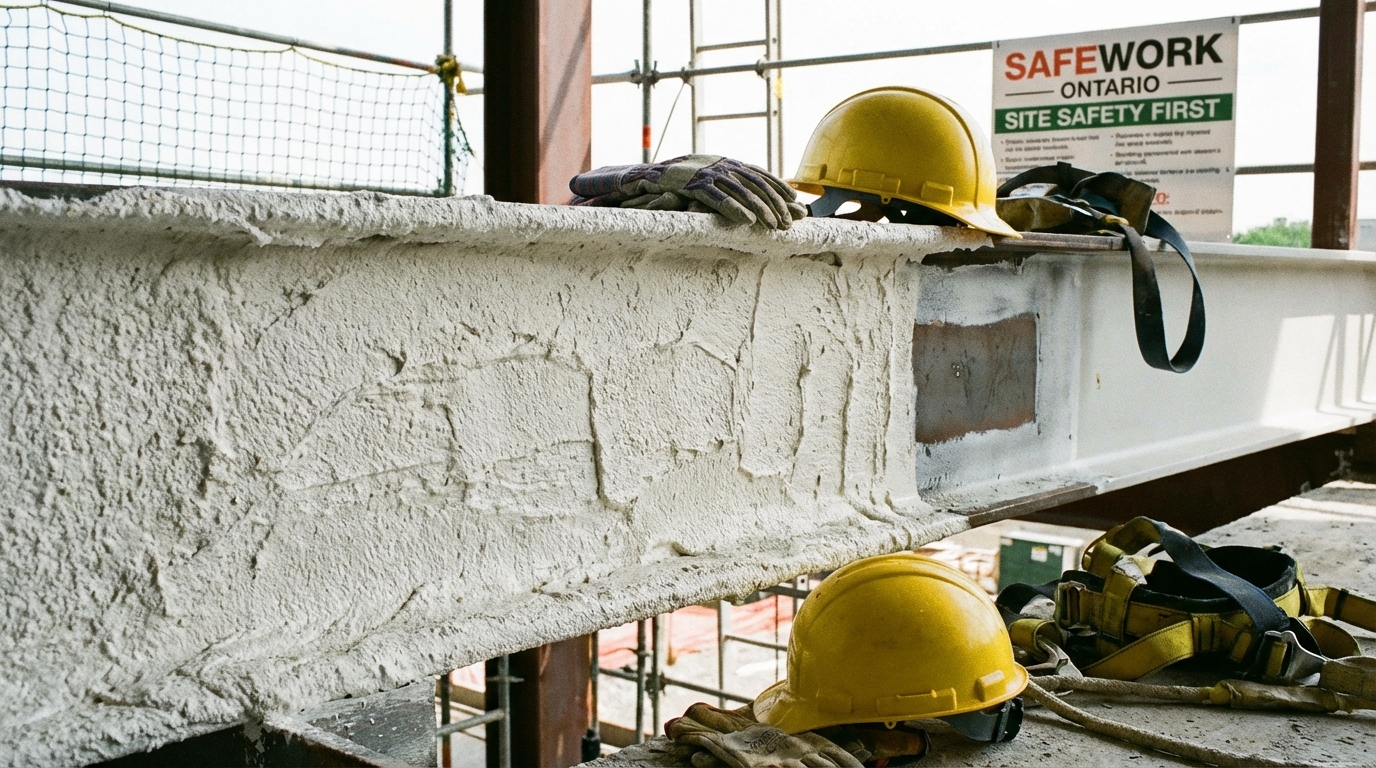
Common Fire-Resistant Materials
A variety of materials can be used to achieve the required FRR for fire separations. Some common examples include:
- Gypsum Board (Drywall): Type X gypsum board is commonly used for fire-rated walls and ceilings. The thickness and number of layers of gypsum board required will depend on the desired FRR.
- Concrete and Masonry: Concrete and masonry walls inherently provide good fire resistance. The thickness of the wall will determine the FRR.
- Spray Foam Insulation: While not all spray foam is fire-resistant, certain types of closed-cell spray foam can contribute to fire resistance when used in conjunction with other fire-rated materials. It’s crucial to choose a product with the appropriate fire rating and to ensure proper installation. Consider contacting Spray Foam Kings for expert advice on using spray foam in fire-rated assemblies.
- Fire-Rated Wood Assemblies: Engineered wood products and specific wood frame construction techniques can achieve fire-resistance ratings.
- Fire-Resistant Coatings: These coatings can be applied to existing materials to improve their fire resistance.
Construction Techniques for Effective Fire Separation
Proper construction techniques are essential to ensure that fire separations perform as intended. This includes:
- Tight Construction: Gaps and cracks in fire separations can compromise their effectiveness. Ensure that all joints and seams are properly sealed.
- Proper Fastening: Use the correct type and spacing of fasteners to secure fire-rated materials.
- Accurate Installation: Follow the manufacturer’s instructions for installing fire-rated materials and assemblies.
- Professional Installation: For complex fire separation systems, it’s often best to hire a qualified contractor with experience in fire-rated construction. Spray Foam Kings offers expert fireproofing services in Toronto and across Ontario.
The Role of Insulation in Fire Separation
Insulation plays a crucial role in fire separation by helping to slow the transfer of heat through building elements. While insulation itself may not provide a fire-resistance rating, it can contribute to the overall performance of a fire-rated assembly. Closed-cell spray foam insulation, for example, can provide an excellent air barrier, helping to prevent the spread of smoke and hot gases. Furthermore, certain types of spray foam can char when exposed to fire, forming a protective layer that slows the burn rate of the underlying material. The R-value of insulation also affects the temperature rise on the unexposed side of a fire separation. The higher the R-value, the slower the temperature rise. Remember to check for any available Ontario insulation rebates that may apply to your project.
Specific Fire Separation Scenarios in Ontario
Residential Buildings
In residential buildings, fire separation is crucial to protect occupants and prevent the spread of fire between dwelling units. The OBC specifies minimum FRRs for walls, floors, and ceilings separating dwelling units, as well as for walls separating dwelling units from common areas such as corridors and stairwells. For example, a common requirement is a 1-hour fire separation between adjacent dwelling units in a multi-unit residential building. This can typically be achieved with a layer of Type X gypsum board on each side of a wood-frame wall. Spray foam insulation can also play a role in enhancing the fire resistance and air tightness of these assemblies. If you’re considering insulating your home, explore the benefits of residential spray foam insulation.
Commercial Buildings
Commercial buildings often have more complex fire separation requirements due to the variety of occupancies and activities that may occur within the building. The OBC specifies FRRs for walls, floors, and ceilings separating different occupancies, as well as for fire separations around hazardous areas such as storage rooms and mechanical rooms. The required FRRs will depend on the specific occupancy and the potential fire hazards. For instance, a restaurant may require a 2-hour fire separation from adjacent retail spaces. Commercial projects often benefit from professional fireproofing solutions. Learn more about commercial spray foam applications for fire safety.
Industrial Buildings
Industrial buildings often present unique fire hazards due to the presence of flammable materials and industrial processes. The OBC specifies stringent fire separation requirements for industrial buildings, particularly for areas where hazardous materials are stored or used. Fire separations may be required to protect adjacent buildings, as well as to contain fires within specific areas of the industrial facility. The use of fire-resistant materials and specialized fire suppression systems is often necessary in these types of buildings. Fireproofing in industrial settings is critical for safety and code compliance. Contact Spray Foam Kings to discuss your industrial fireproofing needs and get a customized quote with our spray foam cost calculator.
Cost Considerations for Fire Separation
Implementing fire separation measures can add to the overall cost of a construction project. The cost will vary depending on the scope of the work, the materials used, and the complexity of the design. Factors that influence the cost include:
- Type of Materials: Fire-rated materials, such as Type X gypsum board and fire-stopping sealants, are typically more expensive than standard building materials.
- Labor Costs: Proper installation of fire-rated materials and assemblies requires skilled labor, which can add to the overall cost.
- Complexity of Design: Buildings with complex layouts and numerous penetrations will require more extensive fire separation measures, increasing the cost.
As a general guideline, you can expect to pay anywhere from a few hundred to several thousand dollars for fire separation measures in a typical residential or commercial project. For example, fireproofing a small utility room might cost around $500-$1000 CAD, while fireproofing an entire commercial building could cost tens of thousands of dollars. It’s advisable to obtain quotes from multiple contractors to get an accurate estimate for your specific project. Remember to factor in the long-term cost savings associated with fire safety, including reduced insurance premiums and the potential for preventing significant property damage.
Frequently Asked Questions
What is a Fire-Resistance Rating (FRR)?
A Fire-Resistance Rating (FRR) is a measure of how long a building element, such as a wall or floor, can withstand a standard fire test. It’s expressed in hours (e.g., 1-hour FRR, 2-hour FRR) and indicates the time a component can maintain its structural integrity and prevent the passage of flames and excessive heat.
How do I determine the required FRR for my building?
The required FRR for different building elements is specified in the Ontario Building Code (OBC). The specific requirements depend on the building’s occupancy, size, and construction type. Consult the OBC or a qualified building code consultant to determine the appropriate FRRs for your building.
What are some common fire-stopping materials?
Common fire-stopping materials include fire-rated sealants, caulks, putties, mineral wool, and intumescent materials. These materials are designed to seal penetrations in fire separations and prevent the passage of flames and smoke.
Does spray foam insulation contribute to fire separation?
Yes, certain types of closed-cell spray foam insulation can contribute to fire separation when used in conjunction with other fire-rated materials. It’s essential to choose a spray foam product with the appropriate fire rating and to ensure proper installation. Contact Spray Foam Kings for expert advice.
What happens if I don’t comply with fire separation requirements?
Failure to comply with fire separation requirements can result in fines, stop-work orders, and legal liability in the event of a fire. More importantly, it puts the safety of building occupants at risk. Compliance with the OBC is essential for ensuring the safety and well-being of everyone in the building. We are always here to help with your insulation needs. Visit the Spray Foam Kings homepage for details.
Get a Free Spray Foam Insulation Quote in Ontario
Ready to upgrade your insulation? Spray Foam Kings serves Toronto, the GTA, and all of Ontario with licensed, bonded, and insured spray foam insulation and fireproofing services.
📞 Call or text us: (647) 641-6881
📍 Find us on Google Maps: Spray Foam Kings on Google
💻 Or use our free spray foam cost calculator for an instant estimate.
We offer free quotes with no obligation. Most projects in the GTA are booked within 5–7 business days.