

As the owner and founder of Spray Foam Kings, I’ve spent years helping homeowners and businesses across Ontario protect their properties. One of the most crucial, yet often overlooked, aspects of building safety is passive fire protection. It’s not about fire suppression systems like sprinklers; it’s about building materials and construction techniques that slow the spread of fire, giving people more time to escape and firefighters more time to respond. Let’s dive into what it is, why it matters, and how it can save lives and property.
The Short Answer
Passive fire protection is a critical safety component that uses fire-resistant materials and construction methods to contain fires within a building. In Ontario, the Ontario Building Code mandates specific fire-resistance ratings for different building elements. Ignoring these regulations can lead to fines and, more importantly, put lives at risk. A commercial building retrofit with fireproofing could easily cost $10,000 to $50,000+ depending on the scope (and size of the building).
Understanding Passive Fire Protection
What Exactly Is Passive Fire Protection?
Passive fire protection (PFP) is a system of integrated fire protection measures incorporated into the structural elements of a building. Unlike active fire protection (AFP) systems like sprinklers and fire alarms, which require activation to function, PFP works continuously and automatically. It’s designed to:
- Contain a fire to its area of origin.
- Slow the spread of fire and smoke.
- Protect structural elements from fire damage, preventing collapse.
- Provide safe escape routes for occupants.
Think of it like this: active fire protection *reacts* to a fire; passive fire protection *resists* it from the start. The best fire safety strategy combines both active and passive measures for comprehensive protection.
Key Components of Passive Fire Protection
Several materials and construction techniques contribute to effective passive fire protection:
- Fire-Resistant Walls and Floors: These are constructed using materials like concrete, masonry, and gypsum board, all of which have inherent fire-resistant properties. The Ontario Building Code specifies minimum fire-resistance ratings (FRR) for walls and floors based on the building’s occupancy and size.
- Fire Doors and Windows: These specially designed doors and windows are constructed with fire-resistant materials and hardware to prevent the spread of fire and smoke. Fire doors have self-closing mechanisms and intumescent seals that expand when exposed to heat, sealing gaps around the door frame.
- Firestopping: This involves sealing openings and penetrations in walls and floors (e.g., for pipes, cables, and ducts) with fire-resistant materials. Firestopping prevents fire and smoke from spreading through these openings to other areas of the building.
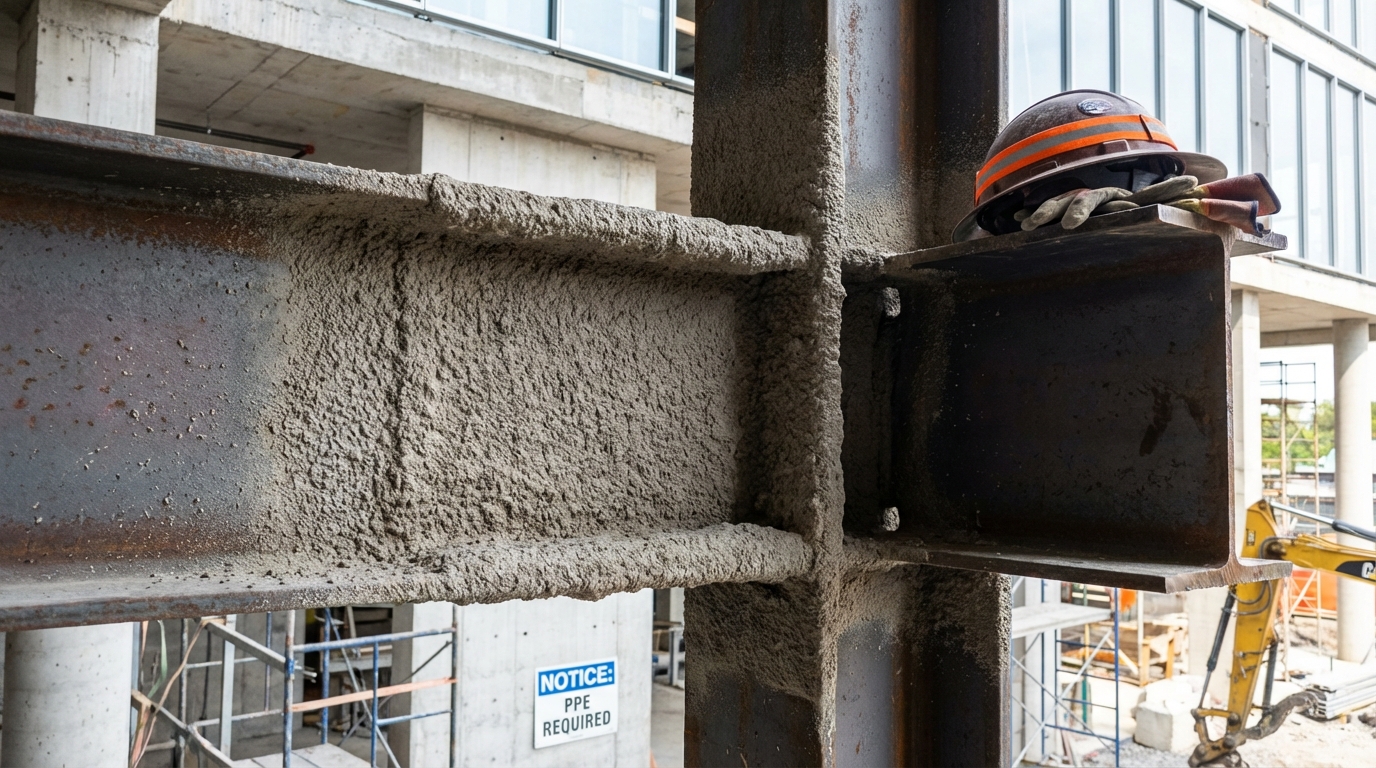
- Fire-Resistant Coatings and Sprays: These materials, such as intumescent coatings, are applied to structural steel to protect it from the heat of a fire. Steel loses its strength at high temperatures, and these coatings provide insulation, preventing structural collapse. We offer professional fireproofing services in Toronto.
- Spray Foam Insulation: While not all spray foam is fire-rated, certain closed-cell spray foams offer excellent insulation and can contribute to fire resistance when properly installed and coated with a fire-retardant material. It’s crucial to choose a product that meets the required fire performance standards.
Why Passive Fire Protection Is Essential
Life Safety
The primary reason for implementing passive fire protection is to save lives. By containing a fire and providing safe escape routes, PFP gives occupants more time to evacuate the building safely. This is especially critical in high-occupancy buildings like apartments, offices, and schools.
Property Protection
Fire can cause devastating damage to property. Passive fire protection limits the extent of the damage by containing the fire and preventing it from spreading to other areas. This can significantly reduce repair costs and minimize business interruption.
Compliance with Building Codes
In Ontario, the Ontario Building Code mandates specific fire safety requirements for all new construction and renovations. These requirements include provisions for passive fire protection, such as fire-resistance ratings for walls, floors, and doors. Failure to comply with these codes can result in fines, delays in construction, and even legal action. It’s always best to ensure your building meets or exceeds these standards. Think of it as an investment, not an expense.
Insurance Benefits
Many insurance companies offer lower premiums for buildings that have implemented effective passive fire protection measures. This is because PFP reduces the risk of fire damage and the associated insurance claims. Consult with your insurance provider to see if you qualify for any discounts.
Passive Fire Protection in Ontario: Specific Considerations
Ontario Building Code and Fire-Resistance Ratings
The Ontario Building Code outlines specific requirements for fire-resistance ratings (FRR) based on the type of occupancy, building height, and floor area. For example, a multi-story residential building may require a 2-hour FRR for load-bearing walls and floors separating dwelling units, while a commercial building may require a 3-hour FRR for certain structural elements. These ratings are determined through standardized fire tests, such as those conducted by Underwriters Laboratories of Canada (ULC). The code also specifies requirements for firestopping, fire doors, and other passive fire protection measures. We’re experts at navigating these codes and can ensure your project meets all requirements. We can also help you understand potential rebates that may be available.
Material Selection and Installation
Choosing the right materials and ensuring proper installation are crucial for effective passive fire protection. For example, gypsum board used for fire-resistant walls must be of the correct type and thickness, and it must be installed according to the manufacturer’s specifications. Firestopping materials must be compatible with the materials they are sealing and must be installed properly to prevent gaps or voids. Similarly, when considering insulation, remember that while some spray foam can contribute to fire resistance, it must be properly installed and may require a fire-retardant coating to meet code requirements. Selecting the correct insulation with a high R-value like R-6 per inch will also improve energy efficiency and reduce heating costs. Consider professional installation from a qualified contractor like Spray Foam Kings to ensure the job is done right. We also provide services for residential spray foam insulation and commercial spray foam insulation projects of all sizes.
Cost Considerations
The cost of passive fire protection can vary widely depending on the size and complexity of the building, the materials used, and the scope of the work. Fireproofing structural steel with intumescent coatings can cost anywhere from $5 to $15 per square foot. Installing fire-rated doors can range from $500 to $2,000 per door, depending on the size, rating, and hardware. Firestopping can cost $5 to $20 per linear foot of penetration. While these costs may seem significant, they are a small price to pay compared to the potential loss of life and property in a fire. Moreover, the long-term benefits of PFP, such as reduced insurance premiums and lower repair costs, can outweigh the initial investment. Get a quick estimate using our spray foam cost calculator.
Maintaining Passive Fire Protection Systems
Regular Inspections
Passive fire protection systems require regular inspections to ensure they are in good working order. Walls and floors should be inspected for cracks or damage that could compromise their fire-resistance rating. Fire doors should be checked to ensure they close properly and that the intumescent seals are intact. Firestopping should be inspected to ensure it is still in place and that there are no gaps or voids. These inspections should be conducted by qualified professionals who are familiar with the Ontario Building Code and relevant fire safety standards.
Repair and Maintenance
Any damage to passive fire protection systems should be repaired promptly. Cracks in walls and floors should be filled with fire-resistant materials. Damaged fire doors should be repaired or replaced. Missing or damaged firestopping should be replaced. Failure to maintain PFP systems can compromise their effectiveness and put lives and property at risk.
Frequently Asked Questions
What’s the difference between active and passive fire protection?
Active fire protection involves systems that activate during a fire, like sprinklers and fire alarms. Passive fire protection includes building materials and construction techniques that resist fire spread from the beginning, like fire-rated walls and doors.
How do I know if my building meets Ontario Building Code requirements for fire safety?
Consult with a qualified fire protection engineer or building inspector. They can assess your building’s fire safety measures and ensure they comply with the Ontario Building Code.
Can I install fireproofing materials myself?
While some minor repairs may be possible, it’s generally recommended to hire a qualified contractor for fireproofing installation. Proper installation is crucial for ensuring the effectiveness of these materials.
Does spray foam insulation help with fire protection?
Some closed-cell spray foams can contribute to fire resistance when properly installed and coated with a fire-retardant material. It’s essential to choose a product that meets the required fire performance standards and have it installed by a professional.
How often should I inspect my building’s passive fire protection systems?
It’s recommended to inspect your building’s passive fire protection systems at least annually, or more frequently if there have been any changes to the building’s occupancy or use.
Get a Free Spray Foam Insulation Quote in Ontario
Ready to upgrade your insulation? Spray Foam Kings serves Toronto, the GTA, and all of Ontario with licensed, bonded, and insured spray foam insulation and fireproofing services.
📞 Call or text us: (647) 641-6881
📍 Find us on Google Maps: Spray Foam Kings on Google
💻 Or use our free spray foam cost calculator for an instant estimate.
We offer free quotes with no obligation. Most projects in the GTA are booked within 5–7 business days.