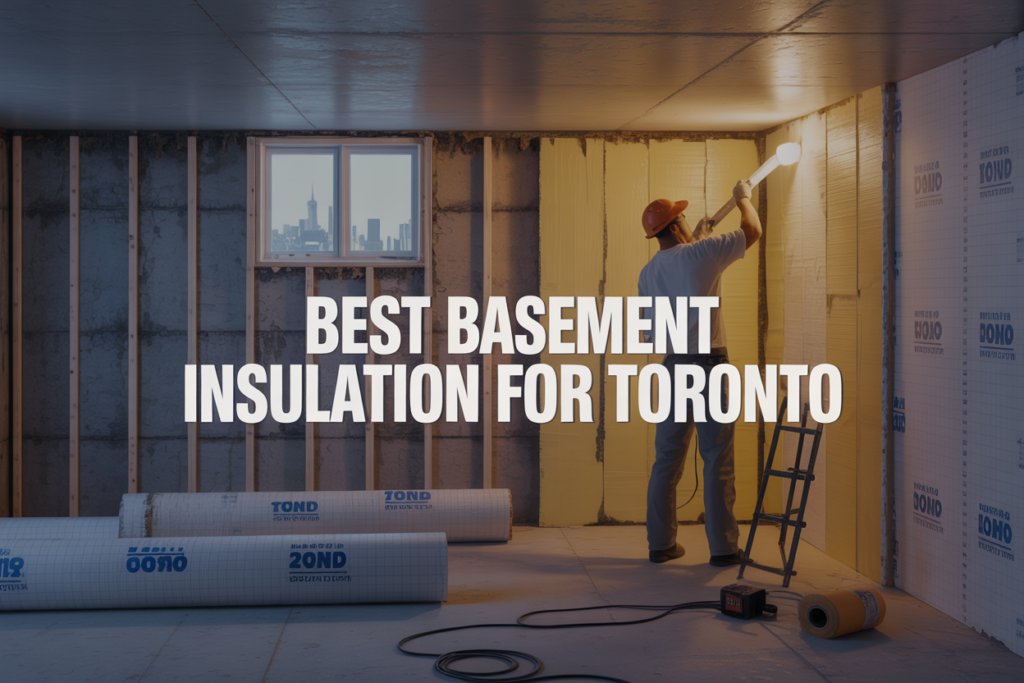
Your basement renovation or upgrade in Toronto means dealing with harsh winters, high humidity, and strict building codes that make choosing the right insulation critical for your home’s comfort and energy bills. Below you’ll find a fully detailed guide on : what type of insulation is best for a basement in Toronto Ontario!
This guide is for Toronto homeowners planning basement finishing projects, dealing with cold or damp basement issues, or looking to reduce heating costs through better insulation.
You’ll discover how Toronto’s unique climate affects your insulation choices and which materials work best for basement exterior walls in our region. We’ll also cover smart moisture control strategies that prevent costly damage and keep your basement dry year-round, plus the energy efficiency benefits that can slash your utility bills.
Understanding Toronto’s Climate Challenges for Basement Insulation
How freezing temperatures affect basement walls and foundation
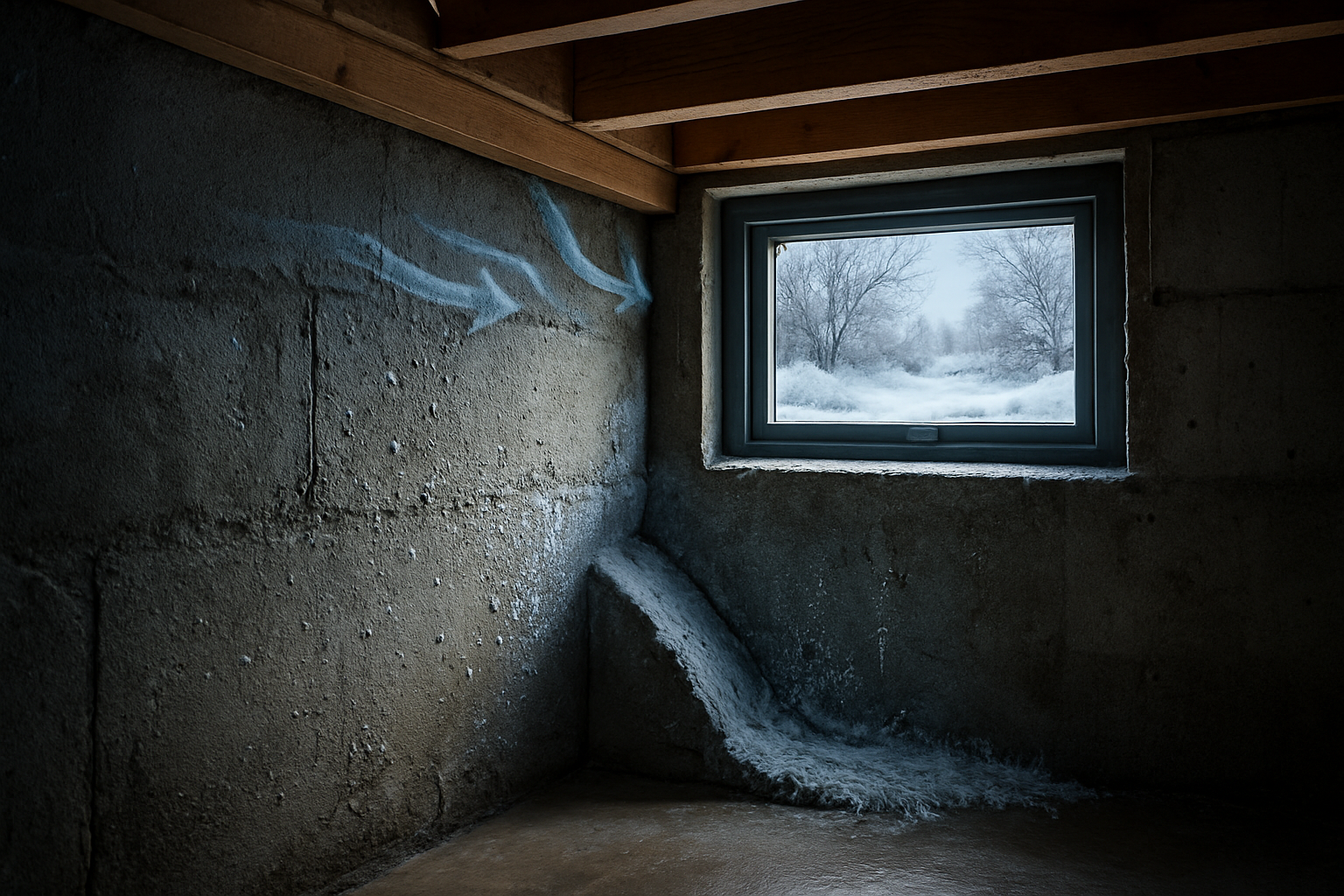
Your basement faces unique challenges during Toronto’s harsh winters when temperatures regularly drop below -10°C. Cold air penetrates through even the smallest cracks in your foundation walls, creating thermal bridges that transfer heat directly from your heated basement to the frozen ground outside. This heat loss makes your heating system work overtime and creates uncomfortable cold spots along your basement walls.
When outside temperatures plummet, your foundation walls become incredibly cold, causing condensation to form on the interior surfaces. You’ll notice this moisture appearing as water droplets or frost, especially in corners and along the base of walls where cold air settles. Without proper insulation, these temperature differences can reach 30-40 degrees between the interior and exterior wall surfaces.
Managing high humidity levels throughout the year
Toronto’s climate brings year-round humidity challenges that directly impact your basement insulation performance. During summer months, humidity levels often exceed 60%, while your cool basement walls create the perfect conditions for condensation. You need insulation that allows moisture to escape rather than trapping it within wall cavities.
Your basement naturally tends to be more humid than upper floors because it’s below grade and surrounded by moist soil. Poor ventilation combined with inadequate insulation creates a cycle where humid air contacts cold surfaces, leading to condensation, mold growth, and insulation degradation. You must choose materials that resist moisture absorption while maintaining their insulating properties even when exposed to higher humidity levels.
Dealing with freeze-thaw cycles that damage insulation
Toronto experiences approximately 40-60 freeze-thaw cycles each winter, putting enormous stress on your basement insulation system. During the day, temperatures may rise above freezing, allowing moisture to penetrate small cracks and gaps. When temperatures drop at night, this trapped moisture expands as it freezes, widening cracks and creating larger openings for air infiltration.
Traditional insulation materials like fiberglass batts can shift and settle during these cycles, leaving gaps in coverage. You need insulation that maintains its position and effectiveness despite the constant expansion and contraction of your foundation walls. Rigid foam boards and spray foam insulation perform better because they remain stable and continue sealing gaps even as your foundation moves slightly with temperature changes.
Protecting against moisture infiltration from snow and rain
Your basement faces constant moisture pressure from Toronto’s average annual precipitation of 831mm. Snow accumulation against your foundation walls creates a moisture reservoir that slowly infiltrates through concrete and masonry. During spring thaw, this problem intensifies as large volumes of meltwater seek entry points into your basement.
You need insulation that either repels moisture completely or maintains its insulating properties when wet. Traditional materials like cellulose and fiberglass lose their effectiveness when moisture penetration occurs. Your insulation choice should include a moisture barrier or inherent water resistance to protect against both liquid water and water vapor infiltration that can compromise your basement’s thermal performance and indoor air quality.
Best insulation for basement exterior walls

Rigid Foam Insulation: Your Best Bet for Toronto Basements |what type of insulation is best for a basement in toronto ontario
When you’re dealing with Toronto’s harsh winters and humid summers, rigid foam insulation stands out as your most reliable choice for exterior basement walls. This insulation type performs exceptionally well in your climate because it creates a continuous barrier that stops thermal bridging and moisture infiltration. You’ll find that extruded polystyrene (XPS) and polyisocyanurate boards work particularly well in your region’s freeze-thaw cycles.
Your basement walls face unique challenges that other parts of your home don’t encounter. They’re in direct contact with soil that stays consistently cool, and they must handle moisture from both inside and outside your home. Rigid foam boards give you the R-value you need while creating that critical vapor barrier that prevents condensation from forming inside your wall assembly.
Why Rigid Foam Outperforms Other Options
You might wonder why rigid foam beats out other popular insulation materials for your Toronto basement. The answer lies in how it handles moisture and temperature fluctuations. Unlike fiberglass batts, which can become waterlogged and lose their insulating properties, rigid foam maintains its performance even when exposed to moisture. Your basement walls will thank you for this choice during Toronto’s wet spring months when groundwater levels rise.
Spray foam might seem like a tempting alternative, but you’ll face higher costs and potential installation challenges in your existing basement. Rigid foam boards give you excellent performance at a more reasonable price point, and you can often install them yourself with basic tools and some patience.
Installation Approach for Maximum Performance
You’ll want to install rigid foam boards directly against your concrete or block foundation walls. This placement creates an unbroken thermal barrier that keeps the concrete warmer, reducing the chance of condensation forming on the interior side. When you place insulation between studs instead, you create thermal bridges through the wood framing that reduce your overall system performance.
Your installation should include proper sealing at all joints and penetrations. You’ll use construction adhesive to secure the boards to your foundation walls, then seal the seams with compatible tape or caulk. This attention to detail makes the difference between good insulation and great insulation that actually saves you money on energy bills.
Thickness and R-Value Considerations
Your Toronto location requires careful attention to R-values that meet local building codes while providing real-world performance. You’ll typically need between R-10 to R-15 for your basement walls, which translates to roughly 2 to 3 inches of rigid foam insulation. This thickness gives you the thermal protection you need without eating up too much of your basement’s interior space.
Remember that your foundation walls represent a significant source of heat loss in your home. When you properly insulate them with rigid foam, you’re creating a more comfortable living environment while reducing the workload on your heating and cooling systems throughout the year.
Top Insulation Materials for Toronto Basements
Spray foam insulation for superior air sealing
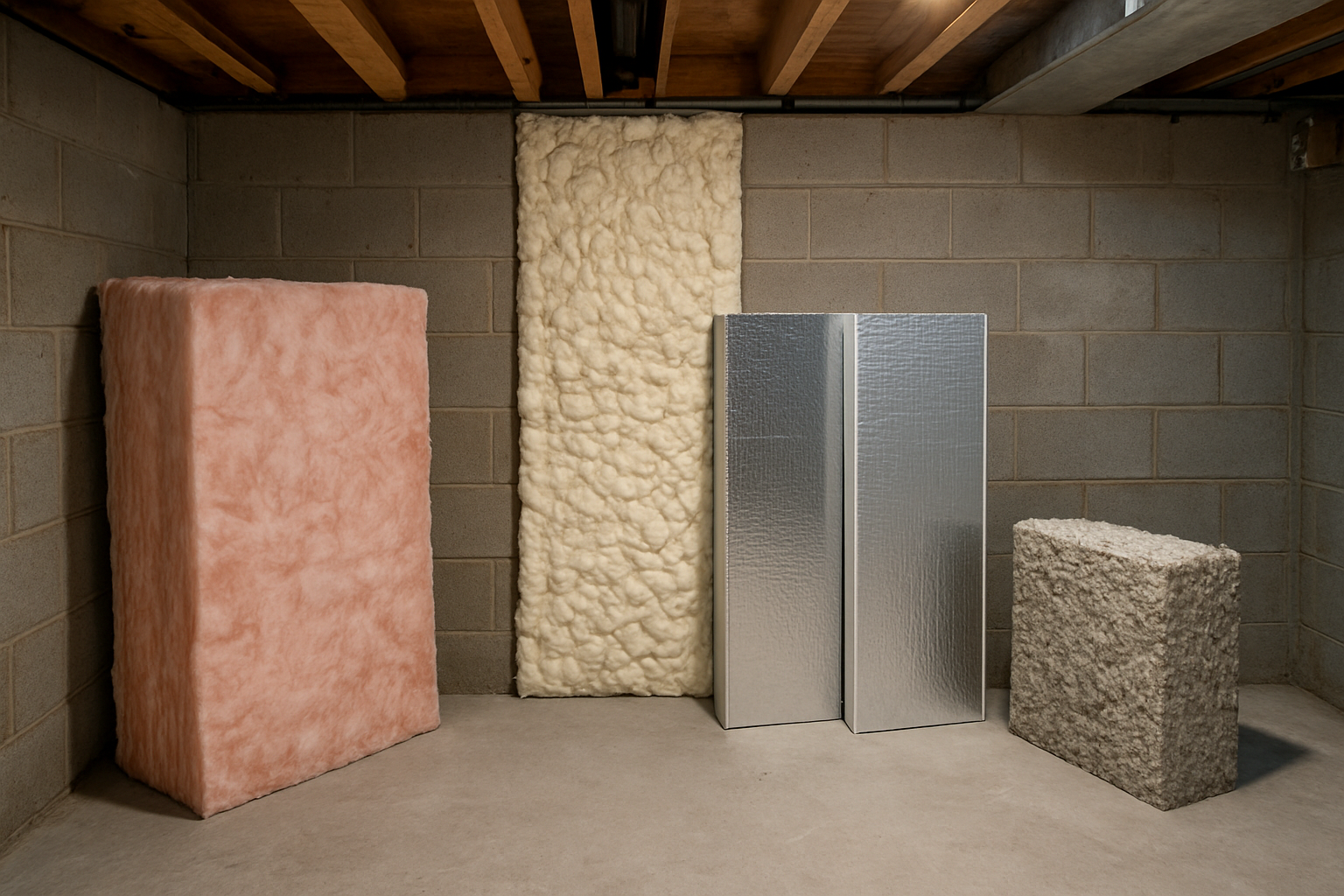
You’ll find spray foam insulation stands out as the premium choice for Toronto basements, especially when dealing with the city’s harsh winter conditions. This material expands to fill every crack and crevice, creating an airtight barrier that prevents cold air infiltration and warm air loss. You get two main types: open-cell and closed-cell spray foam.
Open-cell spray foam costs less and provides excellent sound dampening, making it perfect if you’re planning a basement family room. However, closed-cell spray foam offers superior moisture resistance and higher R-values per inch – exactly what your Toronto basement needs to combat humidity and temperature swings.
When you choose spray foam, you’re investing in long-term energy savings. Your heating bills will drop significantly because the material eliminates thermal bridging through concrete walls. The installation requires professional application, but you’ll see immediate results in comfort levels throughout your home.
Rigid foam boards for moisture resistance
Your basement walls face constant moisture challenges in Toronto’s climate, making rigid foam boards an excellent middle-ground solution. You can choose from three main types: expanded polystyrene (EPS), extruded polystyrene (XPS), and polyisocyanurate (polyiso).
XPS boards work particularly well for below-grade applications because they maintain their insulating properties even when exposed to moisture. You’ll appreciate how these boards won’t absorb water like traditional materials, preventing mold growth and maintaining structural integrity over time.
Installing rigid foam boards gives you flexibility in your basement finishing plans. You can attach them directly to concrete walls using adhesive or mechanical fasteners, then frame over them for drywall installation. This approach lets you maintain full basement height while achieving excellent thermal performance.
| Foam Type | R-Value per inch | Moisture Resistance | Cost |
|---|---|---|---|
| EPS | 3.6-4.0 | Good | Low |
| XPS | 5.0 | Excellent | Medium |
| Polyiso | 6.0-6.5 | Good | High |
Fiberglass batts for cost-effective coverage
You might consider fiberglass batts if budget constraints are your primary concern. These familiar pink or yellow insulation rolls provide decent thermal protection at the lowest upfront cost. For Toronto basements, you’ll want to use faced batts with a vapor barrier to control moisture movement.
Your installation process becomes straightforward with batts – you can handle the job yourself with basic tools and safety equipment. However, you need to pay careful attention to proper installation techniques. Gaps, compression, or poor fitting around obstacles significantly reduces the insulation’s effectiveness.
Keep in mind that fiberglass batts work best when you’re framing out your basement walls anyway. You’ll install them between studs just like in above-ground applications. Remember to wear protective gear during installation, as the fibers can irritate skin and lungs.
The main drawback you’ll face with fiberglass is its susceptibility to moisture damage. In Toronto’s humid conditions, wet fiberglass loses its insulating properties and becomes a breeding ground for mold. You absolutely must combine batts with proper vapor barriers and moisture control strategies.
Mineral wool for fire safety and soundproofing
You get exceptional fire resistance when you choose mineral wool insulation for your Toronto basement. This material won’t ignite or contribute to fire spread, giving you valuable time in emergency situations. Building inspectors often favor mineral wool in basement applications because it meets strict fire safety requirements.
Your family will also benefit from mineral wool’s outstanding acoustic properties. Whether you’re creating a home theater, music studio, or just want to reduce noise between floors, mineral wool absorbs sound better than most alternatives. You won’t hear footsteps, conversations, or appliances from your main living areas.
Mineral wool handles moisture better than fiberglass while remaining breathable. You don’t need to worry about the material retaining water or supporting mold growth. It maintains its shape and insulating properties even in Toronto’s challenging basement conditions.
The installation process resembles fiberglass batts, but you’ll find mineral wool easier to cut and fit around obstacles. It doesn’t require special protective equipment beyond basic gloves and eye protection. However, you’ll pay more for mineral wool compared to fiberglass, though less than spray foam options.
Moisture Control Strategies for Long-Lasting Results
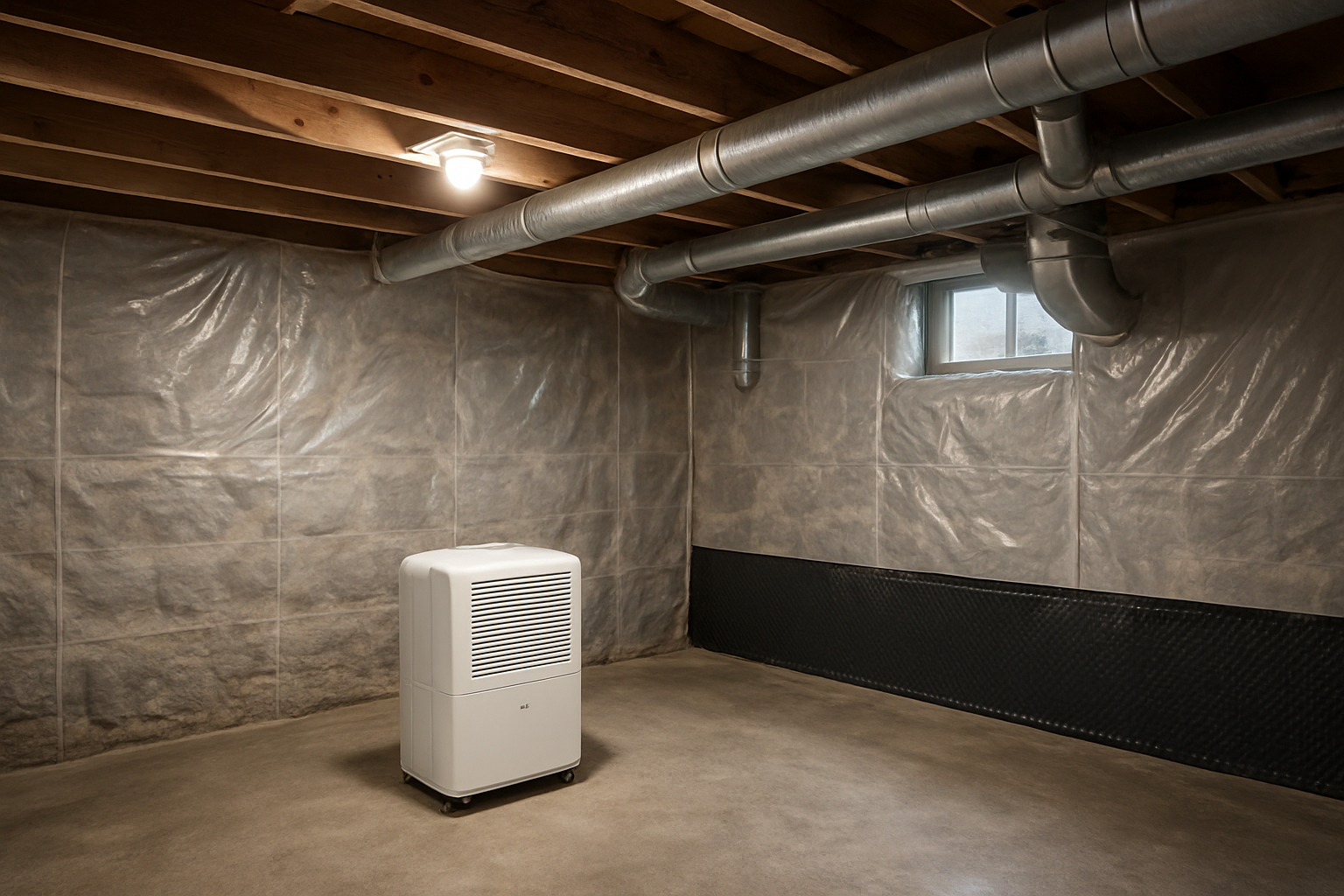
Installing Proper Vapor Barriers to Prevent Condensation
You need to create a moisture shield between your basement’s interior and the cold foundation walls to prevent condensation from wreaking havoc on your insulation. Installing vapor barriers is your first line of defense against moisture problems that can lead to mold, mildew, and structural damage.
When you’re working with basement walls in Toronto’s climate, place your vapor barrier on the warm side of the insulation – that’s the interior side facing your living space. This positioning prevents warm, humid indoor air from reaching the cold concrete walls where it would condense into water droplets. Use 6-mil polyethylene sheeting or specialized vapor barrier materials designed for below-grade applications.
You should seal all joints, seams, and penetrations meticulously using appropriate tapes or sealants. Pay special attention to areas around electrical outlets, pipes, and HVAC components. Even small gaps can allow moisture-laden air to bypass your barrier and cause problems down the line.
Your vapor barrier installation should extend from floor to ceiling and overlap any existing moisture barriers on your foundation walls. If you’re dealing with existing moisture issues, address them before installing your barrier system. Remember that vapor barriers work both ways – they keep indoor moisture from reaching cold surfaces while also preventing outdoor moisture from entering your living space.
Choosing Breathable Insulation Systems
Your insulation choice can make or break your moisture control strategy. Breathable insulation systems allow water vapor to move through the material gradually rather than trapping it in one location where it can cause damage. This approach works particularly well in Toronto’s variable climate conditions.
Mineral wool and fiberglass batts offer excellent breathability while maintaining their insulating properties even when slightly damp. These materials don’t absorb moisture like organic materials do, so they resist mold and mildew growth. Rock wool insulation stands out because it actually repels water while allowing vapor to pass through.
You should avoid using faced insulation batts in basement applications unless specifically designed for below-grade use. The facing on standard insulation can create vapor barriers in the wrong locations, trapping moisture where you don’t want it.
Spray foam insulation requires careful consideration in basements. While closed-cell spray foam creates an excellent air and moisture barrier, you need professional installation to ensure proper application and avoid moisture problems. Open-cell spray foam offers some breathability but may not provide adequate moisture protection for basement applications.
Consider hybrid approaches where you use different insulation types in different areas of your basement based on specific moisture risks and thermal requirements.
Combining Insulation with Waterproofing Solutions
Your most effective moisture control strategy combines quality insulation with comprehensive waterproofing measures. This integrated approach addresses moisture from multiple sources – groundwater, surface water, and interior humidity.
Start with exterior waterproofing if possible. Apply waterproof membranes or coatings to your foundation walls before backfilling. This prevents groundwater from reaching your foundation walls and reduces the moisture load your insulation system must handle. Interior drainage systems, including weeping tile and sump pumps, work alongside waterproofing to manage any water that does penetrate your foundation.
You can enhance your insulation’s moisture resistance by creating air gaps between insulation and foundation walls. This technique allows any moisture that does penetrate to evaporate harmlessly rather than saturating your insulation. Use furring strips or specialized basement wall systems that maintain this crucial air space.
Dehumidification plays a vital role in your integrated approach. Install a basement dehumidifier sized appropriately for your space to maintain indoor humidity levels between 30-50%. This reduces the amount of moisture your vapor barriers and insulation systems must manage.
Your HVAC system should include your basement in its air circulation to prevent stagnant, humid conditions. Proper ventilation helps maintain consistent temperatures and humidity levels throughout your home, reducing the likelihood of condensation problems in your newly insulated basement.
Energy Efficiency Benefits of Proper Basement Insulation

Reducing Heating Costs During Harsh Winters
Your heating bills can skyrocket during Toronto’s brutal winter months when outdoor temperatures plummet to -20°C or lower. Proper basement insulation acts as your first line of defense against heat loss, creating a thermal barrier that keeps warm air inside your home where it belongs. When you insulate your basement walls and ceiling effectively, your furnace doesn’t have to work overtime to maintain comfortable temperatures throughout your house.
You’ll see the biggest savings when you address thermal bridging – those sneaky spots where heat escapes through uninsulated concrete walls or gaps around pipes and ducts. Quality insulation can reduce your heating costs by 15-25% annually, which translates to hundreds of dollars in savings during Toronto’s extended heating season that runs from October through April.
Your HVAC system will also last longer when it’s not constantly cycling on and off to compensate for heat loss. This means fewer repair calls and delayed replacement costs, adding even more money back to your pocket over time.
Lowering Cooling Expenses in Humid Summers
Toronto’s summers bring their own energy challenges with high humidity and temperatures that can hit 35°C. Your basement naturally stays cooler than upper floors, but without proper insulation, this temperature difference forces your air conditioning system to work harder to maintain consistent comfort throughout your home.
When you insulate your basement properly, you create a more stable temperature zone that helps your central air system operate more efficiently. You’ll notice your AC runs for shorter cycles and maintains better humidity control, which directly impacts your summer electricity bills.
Your basement becomes a natural cooling asset when it’s well-insulated, reducing the overall cooling load on your home by up to 20%. This is especially valuable during Toronto’s heat waves when electricity rates peak and your cooling system faces maximum stress.
Improving Overall Home Comfort Levels
You’ll experience dramatically improved comfort when your basement insulation eliminates cold drafts that creep up through your main floor. Those chilly spots near exterior walls disappear, and you’ll stop noticing temperature swings between different rooms in your house.
Your humidity levels become more manageable year-round with proper insulation. During winter, you’ll have fewer issues with dry air and static electricity. Summer brings better moisture control, reducing that sticky feeling and preventing condensation problems that can lead to mold growth.
You can actually use your basement space more effectively when it’s properly insulated. Whether you’re planning a home office, recreational area, or extra bedroom, insulated basements maintain comfortable temperatures that make these spaces genuinely livable rather than just tolerable.
Increasing Property Value with Energy Upgrades
Your home’s market value gets a significant boost when you invest in quality basement insulation. Toronto buyers actively look for energy-efficient features, and a properly insulated basement signals that you’ve maintained your property well and made smart improvements.
You can expect to recoup 70-80% of your insulation investment when you sell your home. Energy-efficient upgrades like basement insulation are particularly attractive to buyers who want to avoid high utility bills and major renovation projects after moving in.
Your home will also qualify for various rebates and incentives through programs like Enbridge’s Home Efficiency Rebate Plus, which can offset your initial investment costs. These programs specifically target basement insulation because it delivers measurable energy savings that benefit both homeowners and the broader electrical grid during peak demand periods.
Installation Considerations for Toronto Building Codes

Meeting R-value requirements for basement walls
When you’re insulating your Toronto basement, you need to hit specific R-value targets set by Ontario Building Code. Your basement walls must achieve a minimum R-12 thermal resistance, but you’ll want to aim higher for better energy savings. The exact requirement depends on whether you’re working with concrete block, poured concrete, or stone foundation walls.
Your approach matters too. If you’re adding interior insulation, you’ll typically use R-12 to R-20 rigid foam boards or fiberglass batts between framing. For exterior applications, you’ll need continuous insulation that prevents thermal bridging. Many Toronto homeowners choose rigid foam boards like XPS or polyiso, which deliver R-5 per inch.
Don’t forget about your rim joists – these areas need R-12 minimum but often get overlooked. You can use spray foam or cut rigid boards to fit snugly in these spaces. Your local building inspector will check these values during permit reviews, so keep your material specifications handy.
Ensuring proper ventilation compliance
Your basement insulation project must work with Ontario’s ventilation requirements, not against them. You need to maintain proper air exchange while creating an effective thermal barrier. This means planning your vapor barrier placement carefully and ensuring your HVAC system can handle the additional load.
When you install basement insulation, you’re changing how air moves through your foundation. Your home needs mechanical ventilation to meet code – usually through your existing HVAC system or dedicated ventilation equipment. You’ll want to verify your current system can maintain the required air changes per hour after insulation installation.
Pay special attention to areas around windows, doors, and utility penetrations. These spots need proper sealing without blocking necessary airflow paths. Your insulation contractor should coordinate with HVAC professionals to ensure your system operates efficiently post-installation. Remember that blocking natural ventilation paths without providing mechanical alternatives violates building code and creates moisture problems.
Fire safety regulations for basement insulation
Toronto’s fire safety codes directly impact your insulation choices and installation methods. You must use materials with appropriate flame spread ratings and ensure proper coverage over exposed insulation. Most foam insulation products require a thermal barrier like drywall when installed in habitable spaces.
Your escape routes can’t be compromised during installation. Basement egress windows must remain fully functional, and you can’t reduce ceiling heights below code minimums. When installing around electrical panels or furnaces, maintain required clearances – typically 36 inches in front of electrical equipment and specific distances around heating appliances.
Certain insulation types need specific fire-rated coverings. Spray foam typically requires 15-minute thermal barrier protection, while some rigid boards need gypsum board covering. Your building permit will specify these requirements, and your inspector will verify compliance before signing off on the work.
Don’t install insulation that could interfere with smoke detectors or carbon monoxide alarms. These safety devices need clear air circulation to function properly, so plan your insulation layout accordingly.
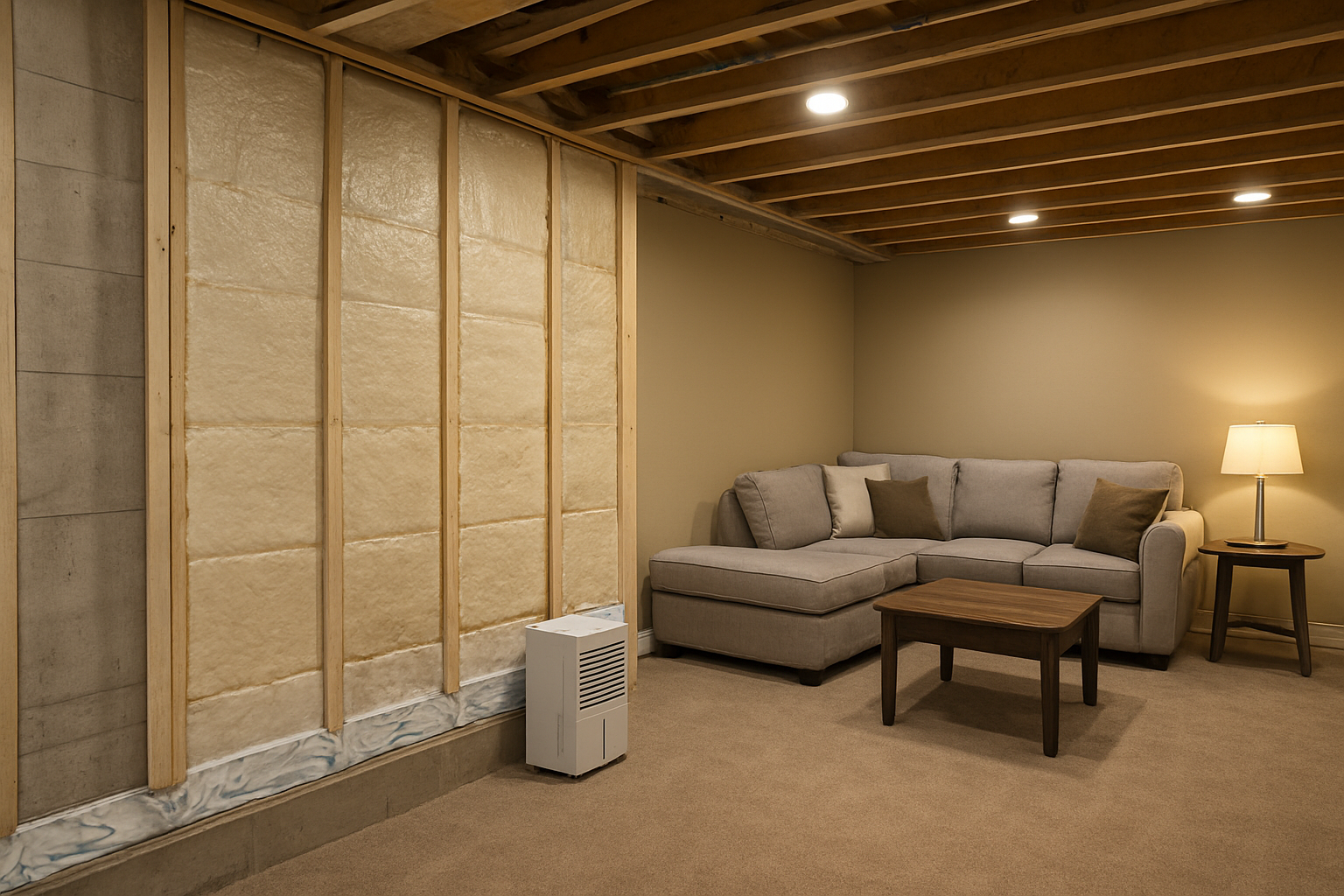 Choosing the right insulation for your Toronto basement comes down to understanding your home’s unique challenges and local climate demands. The materials that work best—spray foam, rigid foam boards, and mineral wool—all offer excellent moisture resistance and thermal performance that can handle Ontario’s harsh winters and humid summers. Your investment in proper insulation will pay off through lower energy bills, improved comfort, and protection against the moisture issues that plague so many basements in the Greater Toronto Area.
Don’t overlook the importance of working with contractors who understand Toronto’s building codes and the specific requirements for basement insulation in your area. Getting moisture control right from the start will save you thousands in potential repairs down the road. Take the time to assess your basement’s current condition, get quotes from qualified professionals, and choose insulation materials that offer the best long-term value for your specific situation. Your basement can become a comfortable, energy-efficient space that adds real value to your home when you make the right insulation choices today.
Related Resources for Toronto Homeowners
Maintaining strong, damage-free walls often involves more than drywall repair. These additional services and resources can help protect your Toronto home from moisture, heat loss, and structural issues:
- Toronto insulation and home protection services
- Fireproofing in Toronto to enhance your home’s safety.
- Spray foam insulation cost calculator to estimate energy-saving upgrades.
- Blue Skin waterproofing in Toronto for moisture protection behind your walls.
- Spray Foam Kings for expert insulation and moisture solutions.
- Spray Foam Kings Google Business Profile to view reviews and contact our team.
Need Drywall Repair or Moisture Protection in Toronto?
If your walls show cracks, bubbling paint, water damage, or signs of structural stress, addressing the issue early prevents costly repairs. Our team specializes in insulation, moisture control, and home protection solutions that keep your walls strong and your home safe.
Get expert help today:
- Fast, professional inspections
- Moisture and insulation solutions that prevent future drywall damage
- Trusted Toronto service with proven results
Contact Spray Foam Kings today — your home’s protection starts behind the walls.
[/vc_column_text][/vc_column][/vc_row][vc_row][vc_column][vc_wp_text][/vc_wp_text][/vc_column][/vc_row]