
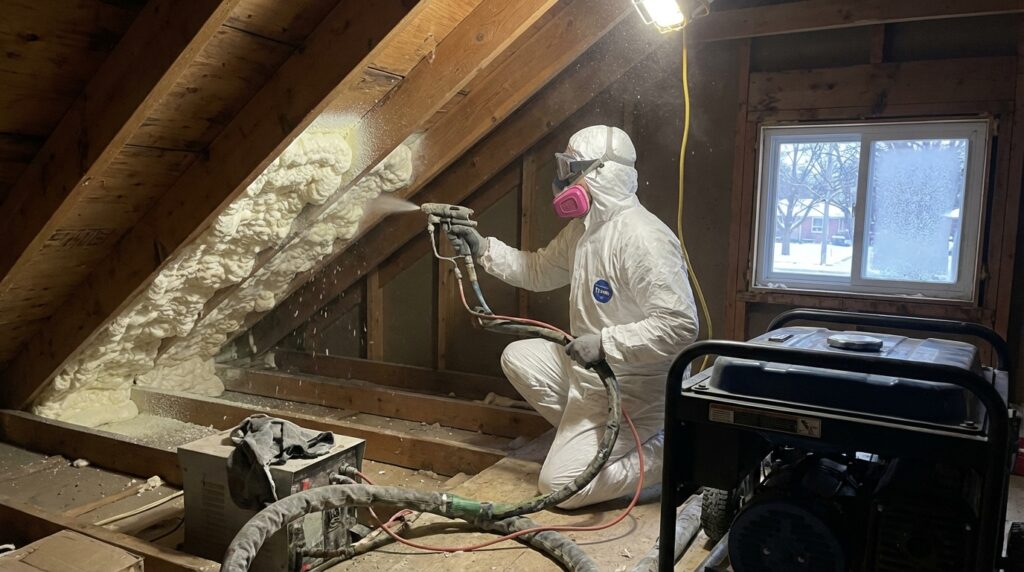
Spray foam insulation has become a popular choice for Ontario homeowners looking to improve energy efficiency, enhance comfort, and reduce their carbon footprint. But a common question arises: How long does spray foam insulation last in Ontario homes, and is it a worthwhile investment for the long haul? As Shaun Falls, Owner & Founder of Spray Foam Kings, I’m here to provide insights based on years of experience in the industry.
The Short Answer
Spray foam insulation, when properly installed in Ontario, can last for the lifetime of your home – typically 80 years or more. Unlike fiberglass or cellulose, spray foam doesn’t sag, settle, or degrade significantly over time. Initial costs can range from $3.50 to $7.00 per square foot, depending on the type and thickness, but the long-term energy savings and increased home value make it a sound investment for many Ontario homeowners.
Factors Affecting Spray Foam Lifespan
While spray foam is known for its durability, several factors can influence its longevity and performance in Ontario’s climate:
Installation Quality
Proper installation is paramount. A poorly installed spray foam job can lead to issues like off-gassing, uneven coverage, and reduced R-value. Hiring a qualified and experienced contractor, like Spray Foam Kings, ensures that the foam is applied correctly, adhering to manufacturer specifications and Ontario Building Code requirements. This includes proper surface preparation, mixing ratios, and application techniques. We take pride in our meticulous approach, ensuring every project meets the highest standards.
Type of Spray Foam
There are two main types of spray foam: open-cell and closed-cell. Closed-cell foam is denser and more resistant to moisture, making it a better choice for areas prone to dampness, such as basements and crawl spaces. Open-cell foam is less expensive but may not be as durable in certain environments. Understanding the properties of each type and selecting the appropriate one for your specific needs is crucial for maximizing lifespan. Our team at Spray Foam Kings can assess your property and recommend the best solution based on your needs and budget. We also offer residential spray foam insulation services in Toronto.
Environmental Conditions
Ontario’s harsh winters and humid summers can put a strain on any building material. While spray foam is generally resistant to these conditions, extreme temperature fluctuations and prolonged exposure to moisture can potentially affect its performance over time. Proper ventilation and moisture management within your home are essential to protect both the spray foam and the overall structure. Also, be aware of potential flooding which can damage any insulation material.
Pest Infestation
Unlike some other insulation materials, spray foam is generally resistant to pests like rodents and insects. However, if pests do manage to penetrate the foam, it can compromise its integrity and reduce its lifespan. Regular inspections and pest control measures can help prevent this issue. We also offer commercial spray foam insulation services that take into account potential pest issues in larger buildings.
R-Value and Ontario Building Code Compliance
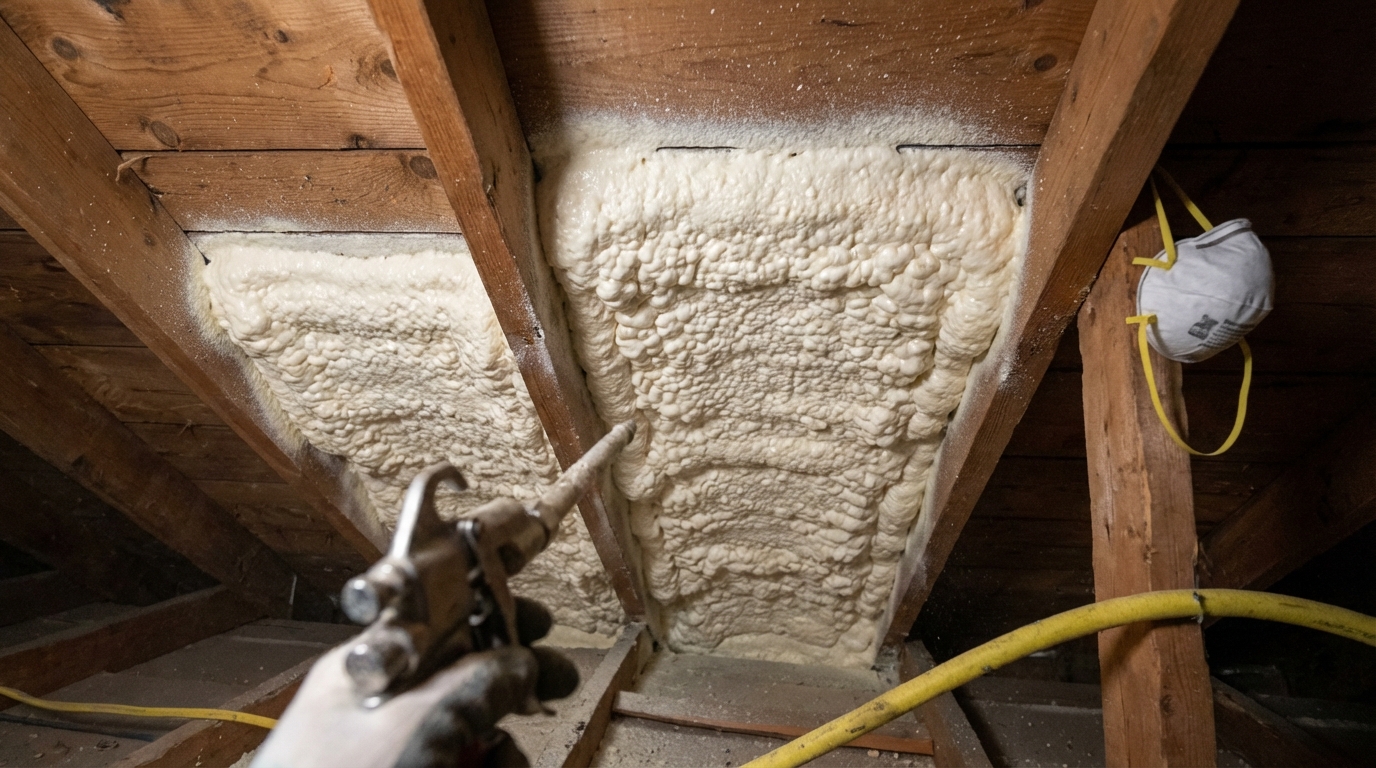
The R-value of insulation measures its resistance to heat flow. Higher R-values indicate better insulation performance. The Ontario Building Code sets minimum R-value requirements for different parts of a home, such as walls, ceilings, and basements. Closed-cell spray foam typically has an R-value of around R-6 to R-7 per inch, while open-cell foam has an R-value of around R-3.5 to R-4 per inch. Ensuring that your spray foam insulation meets or exceeds the required R-values is crucial for energy efficiency and compliance with building codes. Furthermore, fire safety is paramount. Ask about our fireproofing services to ensure your home is protected. You can also use our spray foam cost calculator to estimate costs based on required R-values.
Understanding Ontario Building Code Requirements
The Ontario Building Code outlines specific insulation requirements based on climate zone and construction type. For example, the required R-value for attic insulation in many parts of Ontario is R-60. Understanding these requirements is essential for ensuring that your insulation project meets code and qualifies for any available rebates. We stay up-to-date on the latest building code changes to ensure our installations meet all requirements.
Maintaining R-Value Over Time
One of the key advantages of spray foam is its ability to maintain its R-value over time. Unlike some other insulation materials that can settle or compress, spray foam remains in place and provides consistent insulation performance for decades. However, it’s still important to periodically inspect your insulation to ensure that it hasn’t been damaged by moisture, pests, or other factors. Any damage should be repaired promptly to prevent energy loss and maintain the integrity of the insulation.
Cost Considerations and Long-Term Savings
While spray foam insulation may have a higher upfront cost compared to traditional insulation materials, it offers significant long-term cost savings through reduced energy bills. By creating an airtight seal, spray foam minimizes air leakage, which can account for a significant portion of heating and cooling costs. Additionally, spray foam can improve indoor air quality by reducing the infiltration of allergens and pollutants. The initial investment typically pays for itself within a few years through energy savings and increased home value. The exact payback period will vary depending on factors such as your home’s size, energy usage, and local energy prices.
Estimating Spray Foam Insulation Costs in Ontario
The cost of spray foam insulation in Ontario can vary depending on several factors, including the type of foam, the thickness of the application, and the size of the area being insulated. As mentioned earlier, you can expect to pay between $3.50 and $7.00 per square foot. To get a more accurate estimate, it’s best to contact a qualified insulation contractor for a free quote. Be sure to ask for a detailed breakdown of the costs, including materials, labor, and any additional fees. You can also use our online spray foam cost calculator for a preliminary estimate.
Exploring Ontario Insulation Rebates
To further offset the cost of spray foam insulation, consider exploring available rebates and incentives offered by the Ontario government and local utilities. These programs can provide financial assistance to homeowners who invest in energy-efficient upgrades. Eligibility requirements and rebate amounts vary, so it’s important to research the available options and determine if you qualify. We at Spray Foam Kings stay informed about current rebate programs and can help you navigate the application process. Check out our page on Ontario insulation rebates for more information.
Signs It’s Time to Replace Your Insulation
Even with its long lifespan, there are some signs that indicate your spray foam insulation may need to be replaced or repaired:
Increased Energy Bills
A sudden increase in your heating or cooling bills could be a sign that your insulation is no longer performing effectively. This could be due to damage, settling, or other factors. Monitor your energy bills regularly and compare them to previous years to identify any significant changes.
Drafts and Cold Spots
If you notice drafts or cold spots in your home, it could indicate that your insulation is not properly sealing air leaks. This is especially common around windows, doors, and other openings. Addressing these air leaks promptly can improve comfort and reduce energy waste.
Moisture Problems
Moisture damage can significantly reduce the effectiveness of any insulation material, including spray foam. If you notice signs of moisture, such as water stains, mold growth, or musty odors, it’s important to investigate the source of the moisture and address it promptly. Damaged insulation should be replaced to prevent further problems.
Frequently Asked Questions
Is spray foam insulation safe for my family?
Yes, when properly installed by a qualified contractor, spray foam insulation is safe for your family. It’s important to ensure that the foam is fully cured and that there are no lingering odors before occupying the space. We use low-VOC (volatile organic compound) products whenever possible to minimize any potential health risks.
Can I install spray foam insulation myself?
While DIY spray foam kits are available, we strongly recommend hiring a professional contractor for installation. Proper installation requires specialized equipment, training, and experience. A poorly installed spray foam job can lead to serious problems, such as off-gassing and reduced R-value.
Does spray foam insulation add value to my home?
Yes, spray foam insulation can add significant value to your home. It improves energy efficiency, reduces noise pollution, and can even strengthen the structure of your home. These benefits can make your home more attractive to potential buyers.
How long does it take to install spray foam insulation?
The installation time depends on the size and complexity of the project. A typical residential project can be completed in one to three days. We will provide you with a detailed timeline before starting the work.
What are the benefits of choosing spray foam over other types of insulation?
Spray foam offers several advantages over other types of insulation, including superior air sealing, higher R-value per inch, and resistance to moisture and pests. It also lasts longer and requires less maintenance than traditional insulation materials.
Get a Free Spray Foam Insulation Quote in Ontario
Ready to upgrade your insulation? Spray Foam Kings serves Toronto, the GTA, and all of Ontario with licensed, bonded, and insured spray foam insulation and fireproofing services.
📞 Call or text us: (647) 641-6881
📍 Find us on Google Maps: Spray Foam Kings on Google
💻 Or use our free spray foam cost calculator for an instant estimate.
We offer free quotes with no obligation. Most projects in the GTA are booked within 5–7 business days.