
Fire safety is paramount in any commercial building, and understanding fire ratings is crucial for ensuring the safety of occupants and the protection of property. In Ontario, the Ontario Building Code (OBC) sets stringent standards for fire resistance of building components. But how long do these fire ratings actually last? The answer isn’t always straightforward and depends on a variety of factors, from the materials used to the ongoing maintenance of the building.
The Short Answer
Fire ratings in Ontario commercial buildings don’t have a set expiration date like a driver’s license. Instead, they are valid as long as the building element (wall, floor, etc.) maintains its integrity and continues to meet the requirements specified in the Ontario Building Code. Costs for maintaining and potentially upgrading fire ratings can range from a few hundred dollars for minor repairs to tens of thousands for significant structural work, or new applications like spray foam fireproofing.
Understanding Fire Ratings in Ontario
What are Fire Ratings?
A fire rating, expressed in units of time (e.g., 1 hour, 2 hours, 3 hours), indicates how long a building element can withstand a standardized fire exposure test. This test simulates the conditions of a real fire and measures the element’s ability to prevent the spread of flames and maintain its structural integrity. The fire rating is a crucial factor in determining the overall fire safety of a building. These ratings are often achieved through passive fire protection measures, such as fire-resistant building materials and fireproofing applications.
The Ontario Building Code (OBC) and Fire Resistance
The Ontario Building Code (OBC) is the primary regulation governing building construction and safety in the province. It specifies the required fire resistance ratings for various building elements, based on factors like building occupancy, size, and height. For example, a high-rise office building will typically require higher fire ratings for its structural components than a small retail store. The OBC references standards like the National Building Code of Canada (NBC) and Underwriters Laboratories of Canada (ULC) for testing and certification procedures. Section 3.2 of the OBC deals extensively with fire resistance ratings and fire protection features.
Understanding the OBC requirements is crucial when choosing building materials and designing fire protection systems. Failure to comply with the OBC can result in fines, delays, and even legal action.
Factors Affecting Fire Rating Longevity
Several factors can influence how long a fire rating remains valid and effective:
- Material Degradation: Over time, building materials can degrade due to exposure to moisture, temperature fluctuations, and other environmental factors. This degradation can compromise their fire resistance. For instance, intumescent coatings, which expand to create a protective char layer in a fire, can lose their effectiveness if exposed to excessive humidity.
- Physical Damage: Impacts, abrasions, and other forms of physical damage can compromise the integrity of fire-rated assemblies. Even small cracks or holes in a fire-rated wall can significantly reduce its fire resistance.
- Maintenance and Repairs: Proper maintenance and timely repairs are essential for preserving fire ratings. Neglecting minor damage can lead to more significant problems down the road. For example, if a section of fire-rated drywall is damaged, it should be repaired or replaced promptly to maintain the wall’s fire resistance.
- Alterations and Renovations: Any alterations or renovations to a building must be carefully considered to ensure that they do not compromise existing fire ratings. Cutting holes for new wiring or plumbing, for instance, can create pathways for fire to spread if not properly sealed with fire-stopping materials.
- Changes in Occupancy: A change in the building’s occupancy type may require a review of the fire ratings. For example, converting an office space into a restaurant may necessitate upgrading the fire resistance of certain building elements to meet the more stringent requirements for restaurant occupancies to protect against kitchen fires.
Maintaining & Verifying Fire Ratings
Regular Inspections
Regular inspections are crucial for identifying potential problems that could compromise fire ratings. These inspections should be conducted by qualified professionals who are familiar with the OBC and fire safety standards. Inspectors should check for signs of material degradation, physical damage, and improper alterations. They should also verify that fire-stopping materials are in place and in good condition. Consider also that Spray Foam Kings offers inspection services to ensure your building is up to code.
Documentation and Record Keeping
Maintaining accurate records of fire ratings and fire protection systems is essential for demonstrating compliance with the OBC. This documentation should include:
- As-built drawings showing the location and fire resistance ratings of all fire-rated assemblies.
- Specifications for fire-resistant materials and systems.
- Inspection reports and maintenance records.
- Certifications for fireproofing applications and other fire protection measures.
Fire-Stopping and Penetration Seals
Any penetrations through fire-rated walls or floors, such as those for pipes, cables, or ducts, must be properly sealed with fire-stopping materials. These materials are designed to prevent the spread of fire and smoke through the penetrations. Fire-stopping materials must be tested and certified to meet the requirements of the OBC. Regular inspections should verify that fire-stopping materials are in place and in good condition. The cost for fire-stopping can vary depending on the size and complexity of the penetration, but typically ranges from $50 to $200 per penetration.
Spray foam insulation can also be used as a fire-stopping material in certain applications, providing both insulation and fire protection. Consider the benefits of commercial spray foam for your building.
Upgrading Fire Ratings
When is an Upgrade Necessary?
There are several situations where upgrading fire ratings may be necessary:
- Changes in Occupancy: As mentioned earlier, a change in occupancy type may require upgrading the fire resistance of certain building elements.
- Building Code Revisions: The OBC is periodically updated, and these revisions may introduce new requirements for fire ratings.
- Material Degradation: If building materials have degraded to the point where they no longer meet the required fire resistance, an upgrade may be necessary.
- Discovery of Deficiencies: If inspections reveal deficiencies in existing fire protection systems, upgrades may be required to correct these deficiencies.
Methods for Upgrading Fire Ratings
Several methods can be used to upgrade fire ratings, depending on the specific building element and the desired level of fire resistance:
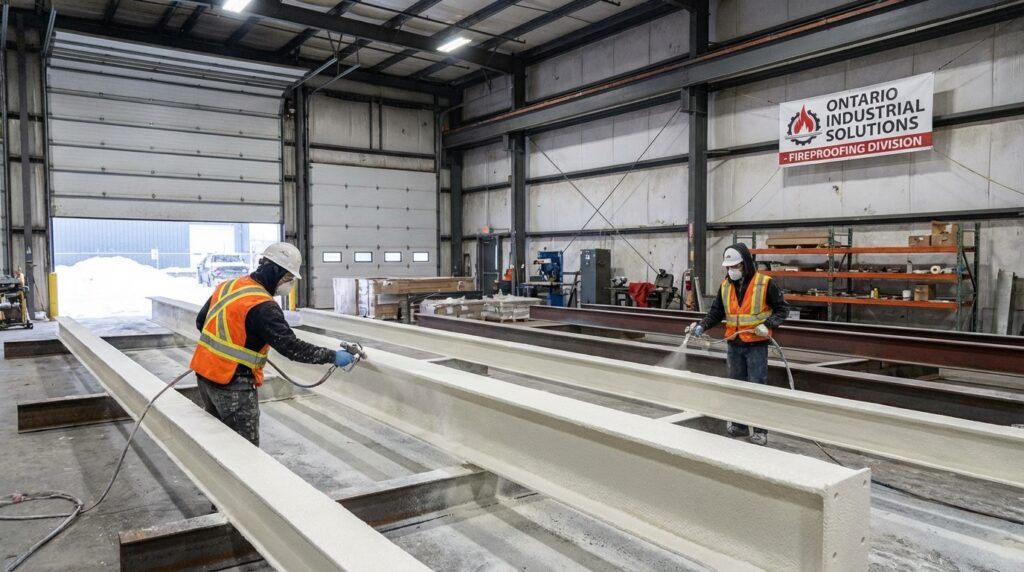
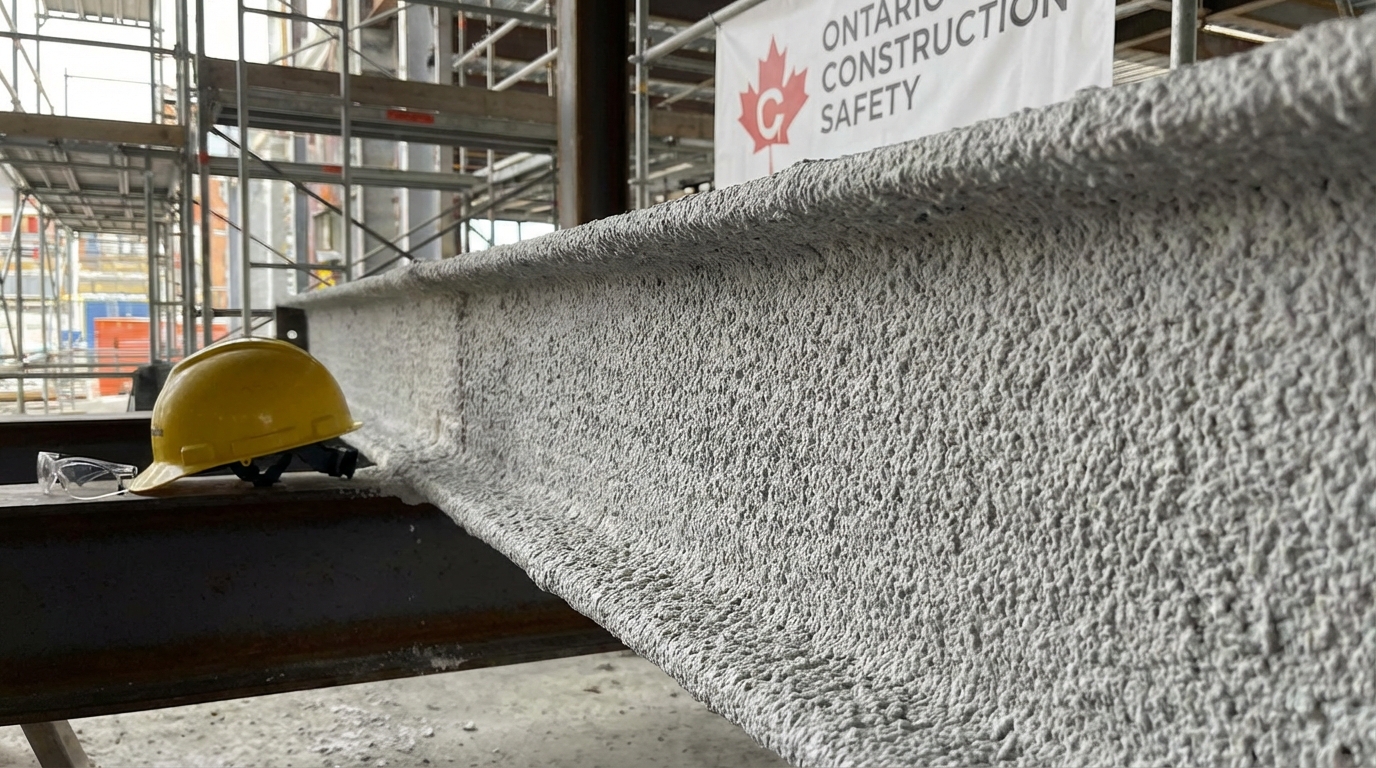
- Applying Fire-Resistant Coatings: Fire-resistant coatings can be applied to structural steel, concrete, and other building materials to increase their fire resistance. These coatings can provide additional protection and help to meet the required fire ratings.
- Adding Layers of Fire-Rated Materials: Adding layers of fire-rated drywall or other fire-resistant materials can increase the fire resistance of walls and ceilings. The number of layers required will depend on the desired fire rating and the existing construction.
- Installing Sprinkler Systems: Installing a sprinkler system can significantly improve the overall fire safety of a building. While sprinklers don’t directly increase the fire resistance of building elements, they can help to suppress fires and prevent them from spreading.
- Spray Foam Insulation: Certain types of spray foam insulation, specifically closed-cell spray foam, can contribute to the fire resistance of a building assembly. It’s crucial to use a product with the appropriate fire rating and to install it according to the manufacturer’s instructions and building code requirements. Remember to check out residential options too!
The cost for upgrading fire ratings can vary widely depending on the method used and the size of the area being upgraded. For instance, applying fire-resistant coating to structural steel can cost between $5 and $15 per square foot, while installing a sprinkler system can cost between $2 and $7 per square foot.
The Role of Insulation in Fire Resistance
Insulation and Fire Spread
While insulation is primarily intended to improve energy efficiency, it can also play a role in fire safety. Certain types of insulation can help to slow the spread of fire and provide valuable time for occupants to evacuate. However, it’s important to choose insulation materials that are fire-resistant and meet the requirements of the OBC.
Spray Foam Insulation and Fire Safety
Spray foam insulation, when properly installed and of the appropriate type, can contribute to fire safety in several ways. Closed-cell spray foam, in particular, can provide an air barrier, which can help to prevent the spread of smoke and flames. Some spray foam products also have inherent fire-resistant properties and can help to slow the spread of fire. However, it’s crucial to ensure that the spray foam is installed by a qualified professional and that it meets the requirements of the OBC. The R-value of spray foam insulation can vary depending on the type and density, but typically ranges from R-3.7 to R-7 per inch.
Open-cell spray foam, while offering excellent insulation and sound dampening properties, is generally less fire-resistant than closed-cell spray foam and may require additional fire protection measures. Always consult with a qualified professional to determine the best insulation solution for your building.
Understanding Insulation Rebates
The Ontario government sometimes offers rebates for energy-efficient upgrades, including insulation. While these rebates are primarily intended to encourage energy conservation, they can also help to reduce the cost of upgrading fire safety measures. Check out current Ontario insulation rebates to see if you qualify for financial assistance.
Frequently Asked Questions
Do fire ratings expire?
No, fire ratings do not have an expiration date. However, their validity depends on maintaining the integrity of the fire-rated assembly and complying with the Ontario Building Code. Regular inspections and maintenance are crucial to ensure that fire ratings remain effective.
How often should fire-rated assemblies be inspected?
Fire-rated assemblies should be inspected at least annually, or more frequently if there are concerns about damage or deterioration. Inspections should be conducted by qualified professionals who are familiar with the Ontario Building Code and fire safety standards.
What happens if a fire-rated wall is damaged?
If a fire-rated wall is damaged, it should be repaired promptly by a qualified contractor. The repair should be performed using materials and methods that maintain the wall’s original fire resistance rating. Small cracks or holes can be filled with fire-rated caulk or sealant, while larger damage may require replacing sections of the wall.
Can I upgrade the fire rating of an existing wall?
Yes, it is possible to upgrade the fire rating of an existing wall by applying fire-resistant coatings, adding layers of fire-rated materials, or using other approved methods. Consult with a qualified professional to determine the best approach for your specific situation.
Is spray foam insulation fireproof?
No, spray foam insulation is not fireproof. However, some types of spray foam insulation, particularly closed-cell spray foam, have inherent fire-resistant properties and can help to slow the spread of fire. It is essential to choose a spray foam product that meets the requirements of the Ontario Building Code and to install it according to the manufacturer’s instructions.
Get a Free Spray Foam Insulation Quote in Ontario
Ready to upgrade your insulation? Spray Foam Kings serves Toronto, the GTA, and all of Ontario with licensed, bonded, and insured spray foam insulation and fireproofing services.
📞 Call or text us: (647) 641-6881
📍 Find us on Google Maps: Spray Foam Kings on Google
💻 Or use our free spray foam cost calculator for an instant estimate.
We offer free quotes with no obligation. Most projects in the GTA are booked within 5–7 business days.